
 The term mommy makeover has become popular for a reason: it describes a combination of procedures designed to restore a woman’s body after pregnancy, childbirth, and breastfeeding. While the results can be transformative, combining breast and body surgeries requires careful planning to ensure safety and satisfaction. Board-certified plastic surgeon Dr. David Kim performs mommy makeover for patients in Beverly Hills, Los Angeles, CA, and surrounding locations.
What a Mommy Makeover Includes
A mommy makeover is not a single procedure, but rather a tailored plan that may include:
- Breast augmentation to restore lost volume
- Breast lift to correct sagging
- Tummy tuck (abdominoplasty) to tighten abdominal muscles and remove loose skin
- Liposuction to contour stubborn fat areas
- Other refinements such as labiaplasty or vaginal rejuvenation
Safety in Combining Procedures
While it may sound ambitious to combine multiple surgeries, it’s often safer and more efficient than staging them separately. Patients benefit from a single anesthesia event, a single recovery period, and a more dramatic transformation. However, safety depends on:
- The patient’s overall health and BMI
- The length of surgery (surgeons typically keep it under six hours)
- A carefully selected surgical facility with proper accreditation
- An experienced, board-certified plastic surgeon
Recovery Timeline
Patients typically need two to three weeks off work and at least six weeks before strenuous activity. Compression garments, careful wound care, and follow-up visits are essential for safe healing. While combining procedures means recovery is more intense, many patients find it worthwhile to achieve comprehensive results in one process.
Benefits of a Mommy Makeover
- Restores youthful breast shape and volume
- Flattens and firms the abdomen
- Reduces stubborn fat deposits
- Enhances self-confidence in and out of clothing
- Achieves dramatic results with one surgery and one recovery
A mommy makeover offers safe, transformative results when performed by an experienced surgeon. With personalized planning, women can safely combine breast and body procedures to restore confidence and reclaim their figure.
Schedule a Consultation with Beverly Hills California Plastic Surgeon Dr. Kim
For more information on the surgical and non-surgical procedures and treatments by Cosmetic Plastic Surgeons Dr. David Kim and Dr. Eugene Kim. Click here to contact us today.
Also visit drdavidkim.com
Serving Beverly Hills, Los Angeles, West Hollywood, Orange County, Southern California and surrounding areas.
 Breast implants can bring confidence and satisfaction, but they are not lifetime devices. Over time, complications, lifestyle changes, or personal preferences may lead a woman to consider breast revision or explant surgery. Understanding when and why these procedures are performed—and what recovery looks like—can help patients make informed choices. Board-certified plastic surgeon Dr. David Kim performs breast revision for patients in Beverly Hills, Los Angeles, CA, and surrounding locations.
What Is Breast Revision Surgery?
Breast revision surgery is any operation performed to modify the results of a previous breast augmentation. This could involve replacing implants, adjusting their position, or removing scar tissue. It’s often more complex than the initial surgery, since the surgeon must work with existing scar tissue and changes in anatomy.
What Is Explant Surgery?
Explant surgery is the removal of breast implants, with or without additional procedures. Some women choose to remove implants entirely due to complications, while others decide implants no longer fit their lifestyle. Explant surgery can be performed alone or combined with a breast lift or fat transfer for shape restoration.
Reasons for Revision or Explant Surgery
- Implant rupture or deflation: Saline implants visibly deflate, while silicone ruptures may be “silent.”
- Capsular contracture: Tightening scar tissue causes pain, hardness, or distortion.
- Implant malposition: Implants shift or “bottom out,” leading to asymmetry.
- Desire for size change: Patients may want larger or smaller implants after years of living with them.
- Aesthetic dissatisfaction: Some women want a more natural look or removal of rippling.
- Health concerns: Issues such as breast implant illness or BIA-ALCL concerns may prompt removal.
- Lifestyle changes: Some patients no longer want the maintenance implants require.
Recovery Expectations
Recovery after revision or explant surgery depends on the complexity of the procedure. Most patients experience swelling and soreness for 1–2 weeks, with light activities resumed soon after. When combined with a breast lift, recovery may take longer. Emotional adjustment is also important—patients often need time to embrace their new body shape.
Breast revision and explant surgery are safe, effective options for women ready to change or remove their implants. With guidance from an experienced surgeon, patients can restore comfort, confidence, and alignment with their goals.
Schedule a Consultation with Beverly Hills California Plastic Surgeon Dr. Kim
For more information on the surgical and non-surgical procedures and treatments by Cosmetic Plastic Surgeons Dr. David Kim and Dr. Eugene Kim. Click here to contact us today.
Also visit drdavidkim.com
Serving Beverly Hills, Los Angeles, West Hollywood, Orange County, Southern California and surrounding areas.
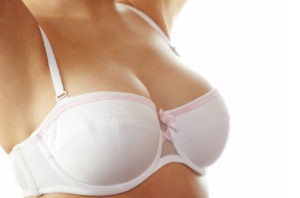 When planning breast augmentation, most patients focus on implant size. But the profile of your breast implants plays just as big a role in your final results. Implant profile refers to how far the implant projects forward from your chest when placed. Choosing the right profile can help you achieve natural-looking, balanced results that align with your body shape and aesthetic goals. Board-certified plastic surgeon Dr. David Kim performs breast augmentation for patients in Beverly Hills, Los Angeles, CA, and surrounding locations.
What Is Implant Profile?
The implant profile is the measurement of how wide an implant is compared to how much it projects outward. For example, a lower-profile implant has a wider base and less projection, while a higher-profile implant is narrower but projects more.
Types of Implant Profiles
-
Low Profile: Wide base, minimal projection. Best for women with broader chests seeking subtle, natural fullness.
-
Moderate Profile: Balanced width and projection. Ideal for women wanting natural volume with noticeable enhancement.
-
High Profile: Narrow base, more projection. Creates fuller, rounder breasts, often chosen by women with smaller chest widths.
-
Ultra-High Profile: Narrowest base and most forward projection. Provides dramatic results but less common due to its bold appearance.
How Profile Impacts Your Final Look
-
Chest Width Balance: Women with wider chests may look more balanced with low or moderate profiles.
-
Projection & Fullness: Higher profiles provide a perkier, rounder look.
-
Cleavage: High-profile implants can create more pronounced cleavage.
-
Natural Appearance: Moderate profiles often achieve the most natural outcome for average body types.
Other Factors to Consider
-
Implant size and profile must work together for the desired look.
-
Skin elasticity and breast tissue determine how the implant sits.
-
Lifestyle and personal goals influence which profile is best.
FAQs About Implant Profiles
Does a higher profile mean a bigger implant?
Not necessarily—profile refers to projection, not size.
Which profile looks most natural?
Moderate profiles often create the most natural look, but it depends on your body type.
Can I choose any profile I want?
Your surgeon will recommend options that best suit your anatomy and goals.
Schedule a Consultation with Beverly Hills California Plastic Surgeon Dr. Kim
For more information on the surgical and non-surgical procedures and treatments by Cosmetic Plastic Surgeons Dr. David Kim and Dr. Eugene Kim. Click here to contact us today.
Also visit drdavidkim.com
Serving Beverly Hills, Los Angeles, West Hollywood, Orange County, Southern California and surrounding areas.
 One of the most common concerns women have about breast augmentation is whether the results will look natural. The answer is yes—breast implants can look very natural when the right surgical techniques, implant choices, and patient factors are considered. Board-certified plastic surgeon Dr. David Kim performs breast augmentation for patients in Beverly Hills, Los Angeles, CA, and surrounding locations.
Factors That Affect Natural-Looking Results
1. Implant Size
Choosing implants that complement your body frame and proportions is key. Oversized implants may look artificial, while appropriately sized implants create a balanced look.
2. Implant Profile
Moderate-profile implants often provide the most natural projection, though your anatomy will determine the best choice.
3. Implant Placement
-
Submuscular (under the muscle): Offers a more natural slope and hides implant edges.
-
Subglandular (above the muscle): May look natural if enough breast tissue covers the implant.
4. Implant Type
-
Silicone implants: Known for a natural feel and appearance.
-
Saline implants: Can also look natural, though they may feel firmer in thinner patients.
5. Surgical Technique
A skilled, board-certified surgeon will place implants in a way that blends seamlessly with your anatomy.
Tips for Achieving Natural Results
-
Choose a surgeon who specializes in natural-looking augmentations.
-
Bring reference photos to your consultation.
-
Be realistic about size and proportion goals.
FAQs About Natural-Looking Implants
Will people know I have implants?
Not if you choose implants that match your frame and are placed with precision.
Do implants always look round and “fake”?
No—modern implants and surgical techniques create natural slopes and softness.
Can implants feel natural too?
Yes—silicone implants in particular mimic natural breast tissue.
Schedule a Consultation with Beverly Hills California Plastic Surgeon Dr. Kim
For more information on the surgical and non-surgical procedures and treatments by Cosmetic Plastic Surgeons Dr. David Kim and Dr. Eugene Kim. Click here to contact us today.
Also visit drdavidkim.com
Serving Beverly Hills, Los Angeles, West Hollywood, Orange County, Southern California and surrounding areas.
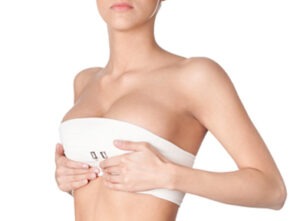 Scarring is a natural part of healing after breast augmentation or implant surgery. While scars can’t be avoided completely, they typically fade over time and can often be minimized with proper care. Board-certified plastic surgeon Dr. David Kim performs breast augmentation for patients in Beverly Hills, Los Angeles, CA, and surrounding locations.
Where Scars Are Located
-
Inframammary (under the breast crease): Hidden in the fold and one of the most common approaches.
-
Periareolar (around the areola): Blends with the natural color transition of the areola.
-
Transaxillary (in the armpit): Keeps scars off the breast itself.
What’s Normal in Breast Implant Scarring
-
Early stage (1–3 months): Scars may look red, raised, or firm.
-
Intermediate stage (3–6 months): Scars begin to flatten and fade in color.
-
Long-term (1 year+): Most scars soften into thin, faint lines.
When to Seek Medical Advice
If scars become unusually raised, thick, itchy, or painful, you may be experiencing hypertrophic or keloid scarring. In such cases, a surgeon may recommend additional treatments.
Tips to Help Scars Fade
-
Keep incisions clean and dry during early recovery.
-
Use silicone sheets or scar gels as recommended.
-
Protect scars from sun exposure with sunscreen or clothing.
-
Avoid smoking, which slows healing.
-
Follow all aftercare instructions carefully.
FAQs About Breast Implant Scars
Will scars always be visible?
Most fade significantly and are easily hidden with clothing or swimwear.
Are some people more prone to noticeable scars?
Yes—genetics and skin type play a big role.
Can scars be treated later if they don’t fade?
Yes—options like laser therapy, microneedling, or steroid injections can improve their appearance.
Schedule a Consultation with Beverly Hills California Plastic Surgeon Dr. Kim
For more information on the surgical and non-surgical procedures and treatments by Cosmetic Plastic Surgeons Dr. David Kim and Dr. Eugene Kim. Click here to contact us today.
Also visit drdavidkim.com
Serving Beverly Hills, Los Angeles, West Hollywood, Orange County, Southern California and surrounding areas.
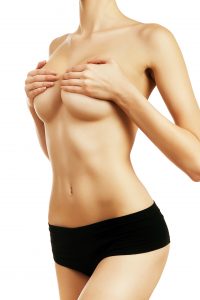 A breast lift, or mastopexy, is designed to raise and reshape sagging breasts for a more youthful, lifted appearance. But how do you know if it’s the right time to consider one? Here’s what you should know about breast lift candidacy and the signs that suggest you may be ready. Board-certified plastic surgeon Dr. David Kim performs breast lift for patients in Beverly Hills, Los Angeles, CA, and surrounding locations.
Signs You May Be Ready for a Breast Lift
-
Sagging or drooping breasts: If your nipples fall below the breast crease or point downward.
-
Loss of volume: Breasts that look deflated after pregnancy, breastfeeding, or weight loss.
-
Asymmetry: One breast sits noticeably lower than the other.
-
Skin laxity: Stretching or thinning skin causing sagging.
-
Self-consciousness: If sagging impacts your clothing choices or confidence.
Factors That Make You a Good Candidate
-
You are in good overall health.
-
You are at or near a stable weight.
-
You are not currently pregnant or breastfeeding.
-
You have realistic expectations about results.
Combining a Breast Lift with Other Procedures
-
With implants: To add volume while lifting.
-
With reduction: To achieve smaller, lifted breasts.
FAQs About Breast Lifts
Will a breast lift make my breasts smaller?
No, but some skin removal may make them look slightly smaller.
How long do results last?
Many women enjoy results for 10–15 years, depending on skin quality and lifestyle.
Can I still breastfeed after a lift?
Some women may be able to, but it is best to complete breastfeeding before surgery.
Schedule a Consultation with Beverly Hills California Plastic Surgeon Dr. Kim
For more information on the surgical and non-surgical procedures and treatments by Cosmetic Plastic Surgeons Dr. David Kim and Dr. Eugene Kim. Click here to contact us today.
Also visit drdavidkim.com
Serving Beverly Hills, Los Angeles, West Hollywood, Orange County, Southern California and surrounding areas.
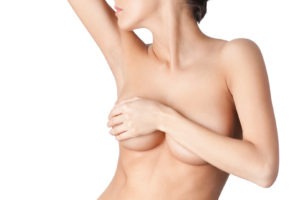 When planning for breast augmentation, most patients focus on implant size, type, and profile—but one factor that’s just as important (and often overlooked) is your natural breast shape. Your existing breast anatomy plays a major role in determining how implants will look and sit on your body, and understanding it can help you set realistic expectations and choose the right surgical plan for the best possible outcome.
In this blog, we’ll explore how different breast shapes affect augmentation results, what your plastic surgeon looks for during consultation, and how your anatomy can influence implant selection, incision type, and final appearance. Board-certified plastic surgeon Dr. David Kim performs breast augmentation for patients in Beverly Hills, Los Angeles, CA, and surrounding locations.
Why Breast Shape Matters in Breast Augmentation
Breast implants don’t exist in a vacuum—they work in harmony with your existing tissue, chest wall, and skin. That means the same implant placed in two different patients can look completely different depending on the starting point. Your natural breast shape influences:
-
How much cleavage you’ll have
-
How far apart your breasts sit
-
Where your nipples point
-
Whether your results look full, natural, round, or teardrop-shaped
-
Whether you may need a lift in addition to implants
During your consultation, a skilled plastic surgeon will assess your breast shape along with size, position, skin quality, and overall proportions to create a plan that matches your goals and anatomy.
Common Natural Breast Shapes
Every body is unique, but here are some general categories that describe breast shape variations:
Round Breasts
Evenly full at the top and bottom, round breasts tend to respond well to augmentation. These patients usually want increased volume without significant reshaping.
Teardrop Breasts
Fuller at the bottom than the top, this shape creates a natural, sloped profile. Implants can add upper pole fullness if desired, especially with higher-profile implants.
Tubular (Tuberous) Breasts
Characterized by a narrow base, large areolas, and breast tissue that herniates outward. Patients with tubular breasts often require a more complex surgical approach, including breast reshaping, areolar correction, and sometimes a lift.
Wide-Set Breasts
With more space between the breasts, patients with a wide-set shape may have less cleavage naturally. Implant selection and placement can help improve central fullness, but some spacing may remain.
Asymmetrical Breasts
Almost all women have some degree of breast asymmetry. In more noticeable cases, your surgeon may recommend different implant sizes or a lift on one side to create better balance.
Low or Ptotic Breasts
Breasts that sit low on the chest or have significant droop may need a breast lift (mastopexy) in addition to augmentation. Implants alone won’t correct nipple position or excess skin.
How Breast Shape Influences Implant Selection
Your natural shape helps guide your surgeon’s decisions about:
Implant Size and Profile
If you have a narrow chest or tight skin envelope, you may need a smaller or moderate-profile implant to avoid unnatural bulging. For flatter, teardrop-shaped breasts, a higher-profile implant may help restore upper pole volume.
Implant Placement (Above or Below the Muscle)
Patients with very little natural tissue may benefit from submuscular placement for more coverage and a natural look. Those with more existing volume may be candidates for subglandular placement to create more lift and projection.
Incision Location
Tubular breasts or significant asymmetry may require a periareolar or vertical incision for reshaping, while other patients may benefit from a discreet inframammary fold incision.
Need for a Breast Lift
If your breast shape includes droop or nipple ptosis, implants alone won’t lift the tissue. A lift combined with augmentation can reshape and elevate the breasts for a more youthful, centered result.
Realistic Expectations Based on Shape
Understanding your breast shape helps set realistic expectations. For example:
-
Wide-set breasts may still have a small gap post-op, even with implants
-
Very tight, small breasts may need a staged procedure to gradually expand the pocket
-
Significant asymmetry may not be 100% corrected but can be dramatically improved
-
A drooping breast with a low nipple will likely require more than an implant to achieve optimal results
The goal of breast augmentation isn’t just to increase size—it’s to create symmetry, balance, and harmony with your overall proportions.
Questions to Ask During Your Consultation
To make sure your breast shape is fully considered in your surgical plan, ask your surgeon:
-
How does my current breast shape affect my results?
-
Will I need a lift in addition to implants?
-
What type and profile of implant would work best for me?
-
How will you correct asymmetry or tubular characteristics?
-
Can I see before-and-after photos of patients with a similar shape?
A personalized, anatomy-aware approach is key to a successful outcome.
Why a Customized Surgical Plan Is Essential
There is no one-size-fits-all in breast augmentation. Your surgeon should evaluate your shape, skin elasticity, nipple position, rib cage anatomy, and personal preferences to create a result that looks and feels right for your body.
Skilled plastic surgeons use techniques like internal pocket creation, dual-plane placement, or tailored implant sizing to adapt to various shapes. The result? A natural-looking enhancement that fits you—not a generic outcome.
Your Shape, Your Results
Your natural breast shape is the foundation on which your augmentation results are built. By understanding how it affects implant selection, placement, and surgical strategy, you can approach the process with confidence and clarity. With the right surgeon and a personalized plan, you can achieve beautiful, natural-looking results that complement your unique figure.
Thinking About Breast Augmentation?
Schedule a consultation with a board-certified plastic surgeon to learn how your breast shape affects your options—and how to get the results you’ve been dreaming of.
Schedule a Consultation with Beverly Hills California Plastic Surgeon Dr. Kim
For more information on the surgical and non-surgical procedures and treatments by Cosmetic Plastic Surgeons Dr. David Kim and Dr. Eugene Kim. Click here to contact us today.
Also visit drdavidkim.com
Serving Beverly Hills, Los Angeles, West Hollywood, Orange County, Southern California and surrounding areas.
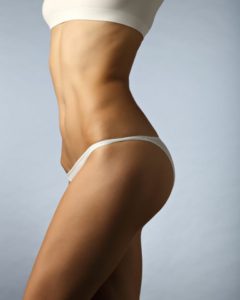 Dreaming of a flatter, firmer midsection by summer? If you’re considering a tummy tuck (abdominoplasty) to reshape your waistline and feel more confident in swimsuits or fitted clothing, it’s essential to plan your surgery around the recovery timeline. While the results can be transformative, a tummy tuck is a major surgery—and your body will need time to heal, recover, and reveal its full results.
So, how long does it take to recover from a tummy tuck? And when should you schedule your procedure if you want to look and feel your best by summer? In this blog, we’ll walk you through the typical tummy tuck recovery timeline, what to expect each week, and tips for getting bikini-ready before the warm weather hits. Board-certified plastic surgeon Dr. David Kim performs tummy tuck for patients in Beverly Hills, Los Angeles, CA, and surrounding locations.
What Does a Tummy Tuck Involve?
A tummy tuck is a cosmetic surgical procedure that removes excess skin and fat from the abdomen and tightens the underlying abdominal muscles. It’s often performed after significant weight loss, pregnancy, or aging-related skin laxity. There are different types of tummy tucks—full, mini, and extended—but all require a recovery period and post-surgical care.
How Long Is Tummy Tuck Recovery?
Most patients need 6 to 8 weeks for initial tummy tuck recovery, though final results may take several months to fully develop. Here’s a general timeline of what to expect:
Week 1: Rest and Limited Movement
You’ll be sore, swollen, and likely walking hunched over to reduce tension on your incision. You’ll need help with daily activities, and it’s important to follow your surgeon’s post-op instructions closely.
Weeks 2–3: Gentle Activity Resumes
You may start walking more comfortably and resume light household activities. Most patients can return to desk jobs within 10–14 days, but driving, lifting, and exercise are still restricted.
Weeks 4–6: Swelling Improves, Energy Increases
You’ll begin to feel more like yourself, with reduced bruising and swelling. You may be cleared to resume light exercise or return to non-strenuous work.
Weeks 6–8: Results Begin to Take Shape
Compression garments may still be worn, but you’ll likely feel comfortable in regular clothes. You’ll start to see your new shape emerge, and scars begin to fade. Many patients return to full physical activity around this time.
3+ Months: Final Results
By 12 weeks, most swelling is gone, and your body has settled into its new contours. Your scar will continue to fade over the next 6–12 months.
When Should You Schedule Your Tummy Tuck to Be Ready for Summer?
To feel confident and fully recovered by June or July, here’s a rough planning guide:
-
Surgery in January or February: Ideal timing for full recovery and optimal results by summer. You’ll have plenty of time for swelling to subside, scars to begin fading, and confidence to build.
-
Surgery in March: Still a good option—expect to be healed and active by late May or early June, though final results may continue to improve throughout the summer.
-
Surgery in April or May: You’ll look noticeably better by summer, but you may still experience some swelling and activity limitations. Good for events later in the season or gradual transformation.
-
Surgery after June: Likely too late for this summer, but excellent timing if you’re looking ahead to a fall vacation or next year’s beach season.
Why It’s Important to Plan Ahead
Tummy tuck recovery requires rest, patience, and preparation. Trying to rush the healing process can increase risks like:
-
Delayed wound healing
-
Persistent swelling
-
Poor scar formation
-
Increased discomfort or complications
By scheduling your surgery early in the year, you give your body enough time to heal properly—so you can enjoy the season without bandages, compression garments, or self-consciousness.
Tips for a Smooth Recovery Before Summer
-
Wear your compression garment as directed to reduce swelling and support healing.
-
Follow your surgeon’s activity guidelines—no heavy lifting or intense workouts until cleared.
-
Stay hydrated and eat a protein-rich diet to support tissue repair.
-
Avoid smoking, which can impair healing and increase complications.
-
Be patient with your body—final results take time, and slow, steady recovery leads to the best outcome.
What If You Need a Tummy Tuck + Liposuction?
Combining liposuction with your tummy tuck is a popular way to enhance results by sculpting the waist, flanks, and upper abdomen. However, it may add slightly more swelling and increase initial downtime. If you plan to combine procedures, earlier surgery is best to give your body ample time to recover before summer.
Am I a Good Candidate for a Tummy Tuck?
You may be a candidate if you:
-
Have loose or excess abdominal skin
-
Have separated abdominal muscles (diastasis recti)
-
Are at a stable, healthy weight
-
Are not planning future pregnancies
-
Are in good overall health and want to improve your contour and confidence
Your surgeon will evaluate your anatomy and goals during consultation and recommend the best timeline and surgical approach to meet your needs.
Timing Is Everything
A tummy tuck can deliver dramatic, life-changing results—but it’s not an overnight transformation. If you want to feel confident in your skin and wardrobe by summer, the time to plan is now. By understanding the recovery timeline and working with a qualified, board-certified plastic surgeon, you can achieve beautiful, natural-looking results—and be fully healed and ready to show them off when warm weather arrives.
Ready for a Flatter Stomach by Summer?
Schedule a consultation today to discuss your tummy tuck options and create a personalized surgical plan and recovery timeline. With the right preparation, this summer can be your most confident one yet.
Schedule a Consultation with Beverly Hills California Plastic Surgeon Dr. Kim
For more information on the surgical and non-surgical procedures and treatments by Cosmetic Plastic Surgeons Dr. David Kim and Dr. Eugene Kim. Click here to contact us today.
Also visit drdavidkim.com
Serving Beverly Hills, Los Angeles, West Hollywood, Orange County, Southern California and surrounding areas.
 Liposuction is one of the most popular cosmetic procedures for removing unwanted fat — but can it help with cellulite? The answer isn’t straightforward, and understanding how cellulite forms is key to setting the right expectations. Board-certified plastic surgeon Dr. David Kim performs liposuction for patients in Beverly Hills, Los Angeles, CA, and surrounding locations.
What Causes Cellulite?
Cellulite appears as dimpled or uneven skin, typically on the thighs, buttocks, or abdomen. It results from:
– Fibrous bands pulling down on the skin
– Fat pushing up between these bands
– Thinner skin that makes these irregularities more visible
It’s more common in women due to different fat distribution and skin structure.
Liposuction and Cellulite
Liposuction removes fat, but it doesn’t address the fibrous bands causing cellulite. In fact:
– Liposuction may slightly improve the appearance of cellulite in some cases
– It can sometimes worsen the appearance if skin elasticity is poor
– It is not a cellulite-specific treatment
Best Treatments for Cellulite
If your primary concern is cellulite, consider other options such as:
– Avéli™ – releases the fibrous septa causing dimples
– Cellfina® – targets the structural causes of cellulite
– Radiofrequency or laser treatments – tighten skin and improve texture
These treatments directly target the cause of cellulite and offer better, more reliable outcomes than liposuction.
Combining Liposuction with Cellulite Treatments
For patients wanting fat reduction and smoother skin, a combination approach may be best. Your provider can develop a custom plan that includes liposuction along with cellulite-specific technology.
While liposuction is excellent for fat reduction and body sculpting, it isn’t designed to treat cellulite. To effectively address cellulite, talk to your surgeon about specialized treatments that can be paired with liposuction for optimal results.
Schedule a Consultation with Beverly Hills California Plastic Surgeon Dr. Kim
For more information on the surgical and non-surgical procedures and treatments by Cosmetic Plastic Surgeons Dr. David Kim and Dr. Eugene Kim. Click here to contact us today.
Also visit drdavidkim.com
Serving Beverly Hills, Los Angeles, West Hollywood, Orange County, Southern California and surrounding areas.
 When it comes to achieving a flat, contoured abdomen, a tummy tuck and liposuction are often the perfect pair. While a tummy tuck removes loose skin and tightens muscles, liposuction targets stubborn fat deposits for a more sculpted look. Board-certified plastic surgeon Dr. David Kim performs breast augmentation for patients in Beverly Hills, Los Angeles, CA, and surrounding locations.
Why Combine the Two?
On their own, each procedure offers specific benefits:
– Tummy tuck: Removes excess skin and repairs abdominal muscles
– Liposuction: Removes localized fat from areas like the flanks or upper abdomen
Together, they provide comprehensive reshaping of the midsection and surrounding areas.
Enhanced Body Contour
Combining liposuction with a tummy tuck allows your surgeon to:
– Sculpt the waistline for an hourglass figure
– Smooth out bulges around the hips and back
– Ensure a natural transition between the abdomen and flanks
This synergy produces more balanced, harmonious results.
Single Surgery, One Recovery
Rather than undergoing two separate surgeries:
– You only go under anesthesia once
– There’s a single recovery period
– You save time and cost
This makes combination surgery more efficient and convenient for many patients.
Are You a Good Candidate?
Ideal candidates are:
– In good overall health
– At or near a stable weight
– Non-smokers with realistic expectations
Your surgeon will evaluate your skin elasticity, fat distribution, and muscle condition to determine if this combination is right for you.
Liposuction and tummy tuck work exceptionally well together to reshape the entire abdominal area. If you’re seeking a more comprehensive body contouring solution, discuss the option of combining these two procedures during your consultation.
Schedule a Consultation with Beverly Hills California Plastic Surgeon Dr. Kim
For more information on the surgical and non-surgical procedures and treatments by Cosmetic Plastic Surgeons Dr. David Kim and Dr. Eugene Kim. Click here to contact us today.
Also visit drdavidkim.com
Serving Beverly Hills, Los Angeles, West Hollywood, Orange County, Southern California and surrounding areas.