
 Staying active is essential for a healthy lifestyle, but after breast augmentation, it’s important to ease back into exercise carefully. Returning too soon or too aggressively can affect healing, implant positioning, and overall results. Here’s how to safely stay active after getting breast implants. Board-certified plastic surgeon Dr. David Kim performs breast augmentation for patients in Beverly Hills, Los Angeles, CA, and surrounding locations.
The Importance of Rest in Early Recovery
In the first few days after surgery, rest is crucial. Your body needs time to:
– Heal the incision sites
– Minimize swelling and bruising
– Allow the implants to settle into place
Avoid all upper body movement, lifting, or stretching during this period.
Week-by-Week Recovery Timeline
Week 1:
– Short walks are encouraged to prevent blood clots
– No lifting over 5 pounds
– Avoid raising arms above shoulder height
Weeks 2–3:
– Light cardio (walking, stationary cycling)
– Still avoid chest or upper body workouts
– Continue wearing compression bra
Weeks 4–6:
– Gradual reintroduction of upper body movement
– Low-impact workouts like yoga or elliptical
After Week 6 (with surgeon clearance):
– Resume full workouts, including weightlifting
– Avoid chest-specific movements (push-ups, bench press) until cleared
Long-Term Tips for Exercising with Implants
– Wear high-support sports bras during cardio or high-impact activity
– Listen to your body and stop if you feel discomfort
– Modify upper body exercises to reduce pressure on the chest
Implant Placement Considerations
Submuscular (under the muscle) implants may take longer to adjust to heavy lifting than subglandular (over the muscle) placements. Discuss your workout routine with your surgeon during your consultation so they can tailor your recovery plan.
You don’t have to give up your active lifestyle after breast augmentation — you just need a smart, phased return to movement. Follow your surgeon’s guidance, wear the right support, and focus on long-term wellness.
Schedule a Consultation with Beverly Hills California Plastic Surgeon Dr. Kim
For more information on the surgical and non-surgical procedures and treatments by Cosmetic Plastic Surgeons Dr. David Kim and Dr. Eugene Kim. Click here to contact us today.
Also visit drdavidkim.com
Serving Beverly Hills, Los Angeles, West Hollywood, Orange County, Southern California and surrounding areas.
 Weight fluctuations are a natural part of life, but how do they affect your breast implants? Whether you gain or lose weight after augmentation, changes in your body composition can influence the appearance and feel of your results. Board-certified plastic surgeon Dr. David Kim performs breast augmentation for patients in Beverly Hills, Los Angeles, CA, and surrounding locations.
How Weight Gain Affects Breast Implants
Gaining weight adds fat to various parts of the body — including the breasts. If you gain weight after getting implants:
– Your natural breast tissue may enlarge, making your breasts appear bigger
– The overall shape may change slightly, especially if the weight gain is significant
– Implants themselves don’t change, but added fat can make them look fuller
The impact depends on your body type and where you store fat.
How Weight Loss Affects Breast Implants
Losing weight can reduce the fat content in your natural breast tissue, which may lead to:
– A more pronounced implant appearance
– Slight sagging if skin elasticity is poor
– A “looser” feel in the breast area
Patients with very large implants may see less dramatic changes, while those with smaller implants might notice the contrast more.
Maintaining a Stable Weight
To preserve your augmentation results:
– Maintain a stable, healthy weight
– Eat a balanced diet and stay active
– Avoid extreme yo-yo dieting
Consistency is key to long-lasting, natural-looking results.
Pregnancy and Breastfeeding
Pregnancy often leads to weight gain and changes in breast tissue. These changes can affect:
– Breast size and skin elasticity
– The position of the implants
– The need for a future lift or revision
Discuss your family plans with your surgeon before surgery to factor them into your implant choice.
Weight changes don’t directly impact the integrity of your implants, but they can alter the appearance of your breasts. Maintaining a healthy, stable weight helps protect your investment and prolongs your satisfaction with your results.
Schedule a Consultation with Beverly Hills California Plastic Surgeon Dr. Kim
For more information on the surgical and non-surgical procedures and treatments by Cosmetic Plastic Surgeons Dr. David Kim and Dr. Eugene Kim. Click here to contact us today.
Also visit drdavidkim.com
Serving Beverly Hills, Los Angeles, West Hollywood, Orange County, Southern California and surrounding areas.
 Breast augmentation is one of the most popular cosmetic procedures worldwide. If you’re considering breast implants, you probably have a lot of questions about the placement options and what’s best for you. This blog will address the most common FAQs regarding breast implant placement. Board-certified plastic surgeon Dr. David Kim performs breast augmentation for patients in Beverly Hills, Los Angeles, CA, and surrounding locations.
1. What Are the Different Types of Breast Implant Placement?
There are two primary placement options for breast implants:
- Subglandular (Over the Muscle): The implant is placed above the chest muscle and below the breast tissue.
- Submuscular (Under the Muscle): The implant is placed beneath the pectoral muscle.
A variation, known as dual-plane placement, places the upper part of the implant under the muscle and the lower part under the breast tissue.
2. Which Placement Option Looks More Natural?
- Submuscular placement generally provides a more natural look, especially for individuals with less natural breast tissue.
- Subglandular placement may look more natural in individuals with sufficient breast tissue to cover the implant.
3. Which Placement Option Is Best for Active Individuals?
If you’re an athlete or engage in frequent upper-body workouts, subglandular placement may be preferable because it avoids interference with the pectoral muscles. However, many athletes still opt for submuscular placement for a more natural appearance.
4. Is One Placement Option More Painful Than the Other?
- Submuscular placement typically involves more post-surgical discomfort because the chest muscle is manipulated during surgery.
- Subglandular placement may result in less discomfort and a faster recovery.
5. How Does Placement Affect the Risk of Capsular Contracture?
Capsular contracture is a condition where scar tissue forms tightly around the implant. Research suggests that submuscular placement may lower the risk of capsular contracture compared to subglandular placement.
6. Does Placement Affect Mammograms?
Yes. Submuscular implants tend to interfere less with mammograms, making it easier to detect abnormalities compared to subglandular implants. It’s important to inform your radiologist about your implants during a mammogram.
7. Will the Placement Affect Sagging Over Time?
- Subglandular implants may experience more visible sagging over time since they sit closer to the skin.
- Submuscular implants provide additional support, potentially reducing sagging.
8. How Do I Decide Which Placement Is Best for Me?
Choosing the best implant placement depends on several factors, including:
- Your body type and natural breast tissue
- Your lifestyle and physical activity level
- Your desired aesthetic outcome
- Your surgeon’s recommendations based on your anatomy
Conclusion
Deciding on breast implant placement is a crucial step in your breast augmentation journey. Consult with a board-certified plastic surgeon to determine which option best suits your goals and body type. With the right choice, you can achieve beautiful, natural-looking results that enhance your confidence.
Schedule a Consultation with Beverly Hills California Plastic Surgeon Dr. Kim
For more information on the surgical and non-surgical procedures and treatments by Cosmetic Plastic Surgeons Dr. David Kim and Dr. Eugene Kim. Click here to contact us today.
Also visit drdavidkim.com
Serving Beverly Hills, Los Angeles, West Hollywood, Orange County, Southern California and surrounding areas.
 Breast augmentation is an exciting journey, but the recovery process is just as important as the procedure itself. Knowing what to expect can help you heal faster and achieve the best results. Here are answers to some of the most frequently asked questions about breast augmentation recovery. Board-certified plastic surgeon Dr. David Kim performs breast augmentation for patients in Beverly Hills, Los Angeles, CA, and surrounding locations.
1. How Long Does It Take to Recover from Breast Augmentation?
Most patients can resume light activities within a few days, but full recovery takes about six to eight weeks. Your surgeon will provide a specific timeline based on your procedure and individual healing process.
2. Will I Be in Pain After Surgery?
Some discomfort is expected, especially in the first few days. Pain levels vary depending on implant placement:
- Submuscular implants may cause more discomfort as the muscle adjusts.
- Subglandular implants typically result in less pain. Your surgeon may prescribe pain medication or recommend over-the-counter pain relievers.
3. When Can I Resume Normal Activities?
- Light activities: 3-7 days post-surgery
- Work (desk jobs): 1-2 weeks
- Driving: Once off pain medications and with comfortable arm movement
- Exercise & heavy lifting: 4-6 weeks (depending on your surgeon’s advice)
- Full recovery: Around 8 weeks
4. What Should I Avoid During Recovery?
- Lifting heavy objects (over 10 lbs) for at least four weeks
- Sleeping on your stomach or sides for a few weeks
- Strenuous workouts and high-impact activities
- Smoking and alcohol, as they can slow healing
5. How Should I Sleep After Surgery?
It’s best to sleep on your back with your upper body elevated for at least a few weeks. This reduces swelling and discomfort while promoting proper healing.
6. Will There Be Swelling and Bruising?
Yes, swelling and bruising are normal. Swelling peaks in the first week and gradually decreases over the following weeks. Wearing a compression bra can help reduce swelling and support your new breasts.
7. How Do I Care for My Incisions?
- Keep incisions clean and dry.
- Follow your surgeon’s instructions for applying ointments or dressings.
- Avoid submerging in water (baths, pools, or hot tubs) until cleared by your doctor.
- Monitor for signs of infection (excessive redness, warmth, or pus).
8. When Will My Implants Settle Into Place?
Initially, implants may appear high on the chest due to swelling and muscle tightness. This is called the drop and fluff process, which usually takes a few months as the implants settle into a more natural position.
9. What Are Signs of Complications During Recovery?
While complications are rare, contact your surgeon if you experience:
- Severe pain that isn’t relieved by medication
- Excessive swelling or redness
- Unusual discharge from incisions
- Fever or chills
- Significant asymmetry or implant displacement
10. When Can I Wear a Normal Bra?
Most surgeons recommend wearing a surgical or soft sports bra for the first 6 weeks. Underwire bras should be avoided until your surgeon gives the go-ahead.
Conclusion
A smooth recovery is essential for the best breast augmentation results. By following your surgeon’s guidelines, taking care of your body, and being patient, you’ll be on your way to enjoying your new look. If you have any concerns during recovery, don’t hesitate to reach out to your surgeon.
Schedule a Consultation with Beverly Hills California Plastic Surgeon Dr. Kim
For more information on the surgical and non-surgical procedures and treatments by Cosmetic Plastic Surgeons Dr. David Kim and Dr. Eugene Kim. Click here to contact us today.
Also visit drdavidkim.com
Serving Beverly Hills, Los Angeles, West Hollywood, Orange County, Southern California and surrounding areas.
 Breast augmentation is a popular procedure that helps women achieve their desired body shape and enhance their confidence. For petite women, the process requires special consideration to ensure the results are proportionate and natural-looking. This guide aims to navigate the best options for breast implants tailored to smaller frames.
One of the key factors to consider is implant type. Silicone and saline implants each have unique benefits. Silicone implants are favored for their natural feel and look, while saline implants can be adjusted for size and require smaller incisions.
Another important aspect is the shape and texture of the implants. Round implants can provide a fuller appearance, particularly at the top of the breast, whereas teardrop-shaped implants offer a more natural slope. The texture, whether smooth or textured, impacts how the implants settle over time.
When it comes to implant size, smaller frames benefit from a careful selection to avoid an overwhelming appearance. Factors such as current breast size, chest width, and overall body shape play a crucial role in this decision. Trying on implant sizers during consultation can help visualize the final look.
Placement of the implants is another critical decision. Options include over-the-muscle (subglandular) and under-the-muscle (submuscular) placements. Each has its pros and cons, especially for petite women, affecting the naturalness of the final result and the recovery period.
Finally, understanding the recovery process and aftercare is vital. Following your surgeon’s guidelines ensures optimal results and minimizes complications. This involves wearing a supportive bra, avoiding heavy lifting, and attending follow-up appointments.
By considering these factors, petite women can achieve a balanced and natural-looking enhancement through breast augmentation. Board-certified plastic surgeon Dr. David Kim performs breast augmentation for patients in Beverly Hills, Los Angeles, CA, and surrounding locations.
Understanding Implant Types
When exploring breast augmentation, it’s crucial to grasp the distinctions between silicone and saline implants. Silicone implants are prized for their realistic feel and appearance, closely mimicking natural breast tissue. In contrast, saline implants, filled with a sterile saltwater solution, can be adjusted for size, making them versatile and ideal for those desiring smaller incisions during surgery.
Shape and texture are also significant considerations. Round implants typically provide a fuller look, especially in the upper breast, which can be appealing for those seeking noticeable enhancement. Teardrop-shaped implants, on the other hand, create a more gradual slope that many find gives a natural contour to the breast.
The implant’s texture, whether smooth or textured, influences how it settles over time. Smooth implants can move freely within the breast pocket, offering a more natural movement, whereas textured implants are designed to adhere to surrounding tissue, reducing the risk of movement and lowering the chance of certain complications.
Understanding these options and how they align with your aesthetic goals is vital. Consulting with a skilled surgeon can help clarify which implant type, shape, and texture will best suit your individual needs.
Selecting the Appropriate Implant Size
Choosing the right implant size is essential to achieving a balanced look for petite women. A size that’s too large can lead to discomfort and an unnatural appearance, while a size that’s too small may not meet your aesthetic goals.
To find the optimal size, consider your current breast size, chest width, and overall body shape. During your consultation, your surgeon will take precise measurements and guide you through sizing options that complement your frame. Trying on implant sizers can give you a clearer idea of the final result and help you make an informed decision.
The goal is to enhance your natural proportions while ensuring comfort and a seamless fit. Your surgeon’s expertise and your personal preferences will both play crucial roles in this decision-making process.
Placement Options
When it comes to implant placement, there are two primary options: over-the-muscle (subglandular) and under-the-muscle (submuscular). Over-the-muscle placement involves placing the implant directly behind the breast tissue but above the chest muscles. This method generally allows for a quicker recovery time and less post-operative discomfort. It’s often a suitable option for women who have enough natural breast tissue to cover the implant, providing a more rounded appearance.
However, for petite women with less natural breast tissue, this placement might not achieve the most natural look. The contours of the implant can be more visible, particularly in women with smaller frames. Additionally, implants placed over the muscle can sometimes shift over time, potentially leading to a less stable result.
Under-the-muscle placement involves positioning the implant beneath the chest muscles. This method is often recommended for petite women as it offers a more natural slope and feel. By being under the muscle, the implant is better concealed, resulting in a smoother transition from the chest wall to the breast. This placement can also reduce the risk of the implant becoming visible or palpable, which is particularly important for those with less natural breast tissue.
While under-the-muscle placement typically requires a longer recovery period and may involve more initial discomfort, many find the long-term benefits to outweigh these temporary drawbacks. Additionally, this method is often associated with a lower risk of certain complications, such as capsular contracture.
Ultimately, discussing these options with your surgeon can help determine which placement will provide the best aesthetic outcome and meet your personal goals.
Considerations for Recovery and Aftercare
Recovering from breast augmentation involves several important steps to ensure proper healing and achieve the best possible results. It’s essential to follow the specific instructions provided by your surgeon, as individual recommendations may vary.
One key aspect of recovery is wearing a supportive bra, which helps maintain the new shape and provides necessary support. This often includes wearing a surgical bra immediately after the procedure and transitioning to a sports bra or another non-underwire option as you heal.
Avoiding heavy lifting and strenuous activities is crucial during the initial recovery phase. These actions can put undue stress on your healing body and potentially disrupt the placement of the implants. Generally, light activities can be resumed within a few days, but more intense physical exertion should be postponed until you receive clearance from your surgeon.
Pain and swelling are common after breast augmentation, but they can be managed with prescribed medications and proper care. Applying cold compresses and keeping your upper body elevated can help reduce swelling and discomfort. It’s also important to keep an eye out for any signs of complications, such as excessive pain, unusual swelling, or signs of infection, and report these to your surgeon promptly.
Attending follow-up appointments is vital to monitor your progress and address any concerns that may arise. Your surgeon will check the healing process, ensure the implants are settling properly, and provide further guidance on resuming normal activities.
Maintaining a healthy lifestyle, including staying hydrated and eating a balanced diet, supports overall recovery and well-being. Smoking and alcohol consumption should be limited or avoided, as they can impede the healing process.
By adhering to these aftercare guidelines, you can help ensure a smooth recovery and achieve the desired outcome from your breast augmentation.
Consultation and Choosing a Surgeon
During your consultation, it’s essential to ask the surgeon about their experience with breast implants, particularly in patients with smaller frames. Viewing before-and-after photos of similar cases can give you a sense of their expertise and the kind of results you can expect. Additionally, discuss your specific goals and any concerns you may have to ensure you and your surgeon are on the same page. This dialogue will help in creating a customized plan tailored to your body type and aesthetic desires. Don’t hesitate to ask about the risks and benefits of the procedure, as well as the recovery process, to set realistic expectations.
Conclusion and Final Thoughts
Making an informed decision about breast augmentation is crucial, especially for petite women. The process involves several considerations to achieve a result that feels and looks natural. Silicone and saline implants each offer distinct advantages, so understanding their differences can help in making the best choice for your body. Additionally, the shape and texture of implants can greatly influence the final appearance, offering either a fuller look or a more natural contour.
Selecting the right implant size is another important step. It’s vital to choose a size that complements your existing body proportions, ensuring a balanced and comfortable outcome. Consultation with a skilled surgeon will provide valuable guidance through sizing options and help you visualize the end result.
Placement options, whether over-the-muscle or under-the-muscle, also play a significant role in the naturalness and stability of the implants. Each method has its pros and cons, and your surgeon will help you understand which option best aligns with your goals.
Recovery and aftercare are essential to achieving the best possible results. Following your surgeon’s guidelines, wearing a supportive bra, and avoiding strenuous activities can significantly impact your healing process and the final outcome.
By thoroughly understanding these aspects and working closely with a qualified surgeon, petite women can achieve a breast augmentation that enhances their natural beauty and fits their unique body type. Prioritize your personal comfort and goals throughout this journey to ensure the best possible experience and outcome.
Schedule a Consultation with Beverly Hills California Plastic Surgeon Dr. Kim
For more information on the surgical and non-surgical procedures and treatments by Cosmetic Plastic Surgeons Dr. David Kim and Dr. Eugene Kim. Click here to contact us today.
Also visit drdavidkim.com
Serving Beverly Hills, Los Angeles, West Hollywood, Orange County, Southern California and surrounding areas.
In the field of cosmetic surgery, achieving an ideal bust often involves addressing multiple aspects simultaneously. Combining breast augmentation with a lift allows individuals to enhance their breast size while also improving their shape and position. This dual approach is particularly beneficial for those who have noticed changes due to aging, pregnancy, or weight fluctuations.
When opting for this combined procedure, the augmentation aspect involves the use of implants to increase breast volume. Meanwhile, the lift component focuses on removing excess skin and tightening the surrounding tissue to elevate the breasts. This combination offers the advantage of not only enlarging the breasts but also ensuring they have a perkier and more youthful appearance.
One of the primary reasons individuals choose this combined approach is to tackle both sagging and lack of volume in one procedure. This is especially useful for those who feel that their breasts have lost their youthful firmness and fullness over time. By addressing both concerns at once, patients can achieve a more balanced and aesthetically pleasing outcome.
The combined procedure is tailored to each individual’s unique needs and goals. The surgeon will consider factors such as breast size, skin elasticity, and overall body proportions to determine the best approach. This ensures that the results are natural-looking and harmonious with the rest of the body.
Additionally, undergoing a combined procedure means a single recovery period. Instead of having separate surgeries with different recovery timelines, patients benefit from a streamlined process. This can be particularly appealing for those with busy lifestyles who wish to minimize downtime.
It’s important to note that this combined procedure is not just about enhancing physical appearance. For many, it also boosts self-confidence and helps them feel more comfortable in their skin. The psychological benefits of feeling good about one’s body can be just as significant as the physical improvements.
Overall, the combination of breast augmentation and a lift provides a comprehensive solution for achieving fuller, perkier breasts in a single surgical session. This approach addresses multiple concerns, resulting in a more youthful and enhanced appearance. Board-certified plastic surgeon Dr. David Kim performs breast lift and augmentation for patients in Beverly Hills, Los Angeles, CA, and surrounding locations.
Who Should Consider This Combination?
Ideal candidates for combining breast augmentation with a lift are those looking to enhance breast size while addressing sagging. Women who have undergone significant weight loss, pregnancy, or the aging process often find themselves with excess skin and reduced firmness. This procedure is particularly beneficial for those with smaller breasts who desire both an increase in volume and an improved breast profile.
When contemplating this combination, evaluating your body type and personal goals is crucial. Different body types can influence the final results, so a consultation with a qualified surgeon is essential for tailoring the procedure to your needs. Realistic expectations and a thorough understanding of the benefits and limitations of this combined approach will contribute significantly to your satisfaction with the outcome.
This dual procedure is especially advantageous for women who feel that their breasts have lost their youthful shape and volume. By addressing both concerns in a single surgical session, the process becomes more streamlined and efficient. Whether you’re dealing with sagging due to aging, the physical changes of pregnancy, or the effects of weight loss, this approach offers a comprehensive solution.
A critical aspect of this combination is ensuring the results appear natural and harmonious with the rest of your body. Surgeons take into account factors like breast size, skin elasticity, and overall body proportions to achieve an outcome that complements your physique. The procedure’s ability to enhance both size and lift makes it a versatile option for those looking to rejuvenate their appearance.
Additionally, combining these procedures means undergoing one recovery period, which can be more convenient for individuals with busy lifestyles. Instead of separate surgeries and extended downtime, this method allows for a more efficient healing process. This can be particularly appealing for those who wish to return to their daily activities sooner.
Understanding the holistic nature of this combined procedure can help potential candidates make an informed decision. It’s not just about physical enhancement; the emotional and psychological benefits of feeling more confident in your body can also play a significant role in the overall satisfaction with the results.
Procedure Details
During a combined breast augmentation and lift, the procedure starts with the surgeon making an incision to insert the implant, enhancing volume. Following this, excess skin is removed, and the remaining tissue is repositioned to achieve the desired lift. The exact technique and incision pattern will vary based on individual goals and anatomical factors.
After the surgery, patients can expect a recovery period involving several weeks of rest and limited physical activity. It’s crucial to wear supportive garments to aid healing and maintain the new breast shape. Initial symptoms often include swelling and discomfort, which typically diminish over time. Follow-up appointments are essential for monitoring the healing process and addressing any concerns that may arise.
Choosing the Right Surgeon
Selecting the right surgeon is crucial for achieving successful results with a breast augmentation with lift. When researching potential surgeons, it’s essential to ensure they are board-certified, as this certification indicates that the surgeon has met rigorous standards and maintains a high level of expertise.
Experience is a significant factor to consider. Look for surgeons who specialize in combined breast procedures and have a substantial portfolio of before-and-after photos from previous patients. These images can provide a visual representation of the surgeon’s skill and the types of results you can expect.
During your consultation, don’t hesitate to ask detailed questions about the surgeon’s experience and approach. Inquire about the number of combined breast procedures they have performed, as well as their familiarity with the specific techniques that may be required for your case. Understanding the surgeon’s approach to both the augmentation and the lift aspects of the procedure can help you gauge their proficiency.
Discussing the specifics of the procedure is also critical. A qualified surgeon should provide a comprehensive overview of what the surgery will entail, including the types of implants used, the incision patterns, and the expected recovery process. They should also be transparent about the potential risks and complications associated with the procedure, as well as the steps they take to minimize these risks.
Communication is key throughout this process. A good surgeon will listen to your goals and concerns, offering personalized recommendations based on your individual needs. They should be able to explain complex medical terms in a way that is easy to understand, ensuring you feel comfortable and informed.
Pay attention to how the surgeon and their staff make you feel during your interactions. Professionalism, empathy, and a willingness to address your questions are all indicators of a good fit. A supportive environment can significantly enhance your overall experience and contribute to a smoother recovery.
Lastly, consider seeking testimonials or reviews from former patients. Hearing about others’ experiences can provide valuable insights into what you can expect in terms of care, results, and overall satisfaction.
By thoroughly researching and engaging with potential surgeons, you can make a well-informed decision, setting the stage for a successful and satisfying outcome.
Results and Expectations
A breast augmentation with lift offers long-term benefits, combining increased volume with a more lifted and youthful contour. Patients often find that this dual procedure enhances not just the appearance of their breasts, but their overall silhouette, contributing to a more balanced and proportionate figure.
The implants used in augmentation are designed to be durable and resilient, providing lasting enhancement. However, natural aging processes and gravitational effects can influence the longevity of the results. Despite this, many patients experience satisfaction with their new breast shape and volume for many years following the procedure.
The lifting aspect of the procedure plays a significant role in achieving these lasting results. By addressing sagging and repositioning the breasts higher on the chest, a lift enhances the youthful appearance gained through augmentation. This combination ensures that the breasts not only appear fuller but also more perky and well-shaped, contributing to an overall rejuvenated look.
To maintain these outcomes, patients are encouraged to adopt a stable weight and healthy lifestyle. Fluctuations in weight can affect the shape and firmness of the breasts, potentially diminishing the results over time. A consistent fitness routine and balanced diet can help preserve the new breast contours and prolong the satisfaction with the procedure.
Patients should also follow postoperative care instructions provided by their surgeon to support the healing process and optimize results. This includes wearing supportive garments, avoiding strenuous activities during the initial recovery period, and attending follow-up appointments to monitor progress.
The emotional and psychological benefits of this procedure can be substantial. Many patients report increased self-confidence and a greater sense of comfort in their appearance, which can positively impact various aspects of their lives. Feeling good about one’s body can lead to improved self-esteem and overall well-being.
It’s important to have realistic expectations and understand that while the procedure provides significant enhancement, it doesn’t halt the natural aging process. Regular consultations with your surgeon can help address any concerns and plan for any future touch-ups if needed.
By taking these factors into consideration, patients can enjoy the results of their breast augmentation with lift for a longer period, feeling more confident and satisfied with their enhanced appearance.
Schedule a Consultation with Beverly Hills California Plastic Surgeon Dr. Kim
For more information on the surgical and non-surgical procedures and treatments by Cosmetic Plastic Surgeons Dr. David Kim and Dr. Eugene Kim. Click here to contact us today.
Also visit drdavidkim.com
Serving Beverly Hills, Los Angeles, West Hollywood, Orange County, Southern California and surrounding areas.
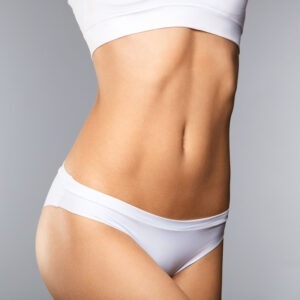
Pregnancy and childbirth can bring about many physical changes, which some women may wish to address for personal or aesthetic reasons. A mommy makeover is a customized set of cosmetic procedures aimed at helping women restore their pre-pregnancy bodies. This combination approach allows for a tailored plan that meets the unique needs and desires of each individual.
Whether it’s tightening loose abdominal skin, lifting sagging breasts, or addressing stubborn pockets of fat, a mommy makeover offers a comprehensive solution. Women often choose this route to regain confidence and feel more like themselves after the life-changing experience of motherhood. This transformative process involves working closely with a skilled plastic surgeon to determine the best procedures to achieve the desired outcomes.
It’s important to note that the mommy makeover is not one-size-fits-all. It can include a variety of procedures, such as tummy tucks, breast lifts, breast augmentations, and liposuction. This flexibility ensures that each woman can focus on the areas that matter most to her, whether it’s flattening the abdomen, enhancing breast shape, or contouring other body parts. The holistic approach not only addresses multiple concerns but also streamlines the process, reducing the time spent in recovery.
In essence, the mommy makeover is about making women feel confident and comfortable in their own skin again. By addressing the physical changes brought about by pregnancy and childbirth, this set of procedures helps women reclaim their bodies and improve their overall sense of well-being. Board-certified plastic surgeon Dr. David Kim performs mommy makeover for patients in Beverly Hills, Los Angeles, CA, and surrounding locations.
Key Procedures in a Mommy Makeover
A mommy makeover often includes surgeries like a tummy tuck and breast lift, but the procedures can be customized to meet individual needs. A tummy tuck, or abdominoplasty, focuses on removing excess skin and fat from the abdominal area and may include tightening the underlying muscles for a firmer look. A breast lift, on the other hand, aims to elevate and reshape sagging breasts, restoring their youthful position and firmness.
Beyond these core procedures, many women choose to include other enhancements such as liposuction or breast augmentation. Liposuction can effectively remove stubborn fat deposits from areas like the thighs, hips, or back, offering a more contoured silhouette. Breast augmentation involves the use of implants or fat transfer to enhance breast size and shape, catering to those looking for added volume.
The beauty of a mommy makeover lies in its adaptability. Each woman can select the specific procedures that will address her unique concerns. For instance, some may prioritize a flatter abdomen, while others might focus on enhancing their breast appearance. The goal is to create a personalized plan that delivers comprehensive results in one surgical session.
In addition to these popular choices, other procedures like labiaplasty or buttock augmentation may also be part of a mommy makeover, depending on individual goals. Consulting with a skilled plastic surgeon can help determine the best combination of procedures to achieve the desired outcomes, ensuring a holistic approach to body transformation.
Benefits of Combining Procedures
One of the significant benefits of combining procedures in a mommy makeover is the convenience of addressing multiple areas in one go. This streamlined approach can lead to more cohesive and balanced results, enhancing overall body symmetry. By opting for a combination of surgeries, patients can also reduce the cumulative time spent under anesthesia, which may lower the risk of complications.
Another advantage is the efficiency in recovery time. Undergoing multiple procedures in one session means there is just one period of recovery rather than multiple recovery phases spread out over months. This can be particularly appealing for busy mothers who need to minimize downtime. The convenience of a single recovery phase allows for a quicker return to daily activities and responsibilities, reducing the disruption to family life.
Financially, a mommy makeover can be more economical compared to scheduling individual procedures. When surgeries are combined, the costs associated with hospital stays, surgical facilities, and anesthesia can be consolidated, potentially resulting in lower overall expenses.
Additionally, the psychological benefits should not be underestimated. Undergoing a mommy makeover can be a transformative experience, boosting self-esteem and confidence. Addressing multiple concerns at once can provide a more immediate and comprehensive improvement in body image, which can positively affect mental well-being.
Overall, combining procedures in a mommy makeover offers practical, financial, and psychological benefits, making it an attractive option for those looking to restore their pre-pregnancy bodies efficiently and effectively.
Ideal Candidates for a Mommy Makeover
Women considering a mommy makeover should evaluate several factors to determine if they are good candidates for the procedure. Typically, ideal candidates have completed their families and do not plan to have more children, as future pregnancies could affect the results. Good health is crucial, both physically and mentally, and it’s important that candidates have a stable weight and no medical conditions that might complicate surgery.
Another key aspect is having realistic expectations about the outcomes. While a mommy makeover can significantly enhance appearance, it should not be viewed as a substitute for weight loss or a solution for all post-pregnancy body concerns. It’s essential to understand the limitations and possibilities of what the procedures can achieve.
Age is less of a factor than overall health and skin elasticity. Younger women may find their skin responds better to the procedures, but women of all ages can be good candidates if they meet the health and lifestyle criteria. Additionally, having a supportive environment during recovery can make a significant difference. Ensuring that you have help with childcare and household responsibilities can ease the recovery process.
Lifestyle habits also play a role in candidacy. Non-smokers generally have better healing outcomes, and maintaining a balanced diet and regular exercise regimen can contribute to the success of the procedures. Consulting with a board-certified plastic surgeon is the best way to assess individual suitability. They can provide personalized advice and help create a plan that aligns with your goals and medical history.
Preparing for Your Mommy Makeover
Preparation for a mommy makeover is a crucial step toward achieving your desired results. The process starts with a detailed consultation with a board-certified plastic surgeon, where you’ll discuss your goals, medical history, and any concerns you might have. This is the ideal time to ask questions and gain a clear understanding of the procedures involved.
In the weeks leading up to the surgery, maintaining a healthy lifestyle is essential. Eating a balanced diet rich in nutrients can support your body’s healing processes, while regular exercise can help maintain a stable weight and improve overall fitness. Quitting smoking is especially important, as nicotine can interfere with blood flow and delay healing.
Organizing your home and arranging for help during your recovery period is another important aspect of preparation. Make sure you have a comfortable space to rest and easy access to essentials like medications, water, and healthy snacks. Enlisting the support of family and friends for childcare and household tasks can make a significant difference in your ability to focus on recovery.
You may also need to prepare for the practical aspects of surgery day. This includes arranging transportation to and from the surgical facility and having someone stay with you for at least the first 24 hours post-surgery. It’s important to follow all pre-operative instructions provided by your surgeon, such as fasting guidelines and any medications you may need to stop taking before the procedure.
Lastly, mental preparation is key. Understanding that recovery is a gradual process and setting realistic expectations can help you stay positive and focused on your end goals. Having a strong support system in place can provide the emotional backing you need during this time. By taking these steps, you’ll be well-prepared for your mommy makeover and on your way to achieving the results you desire.
Schedule a Consultation with Beverly Hills California Plastic Surgeon Dr. Kim
For more information on the surgical and non-surgical procedures and treatments by Cosmetic Plastic Surgeons Dr. David Kim and Dr. Eugene Kim. Click here to contact us today.
Also visit drdavidkim.com
Serving Beverly Hills, Los Angeles, West Hollywood, Orange County, Southern California and surrounding areas.
 A tummy tuck with muscle repair, or abdominoplasty, is a surgical procedure designed to improve the look and feel of the abdominal area. This operation is particularly helpful for individuals dealing with excess skin and weakened abdominal muscles due to factors like major weight loss or pregnancy. By removing the extra skin and fat and tightening the underlying muscles, the procedure can provide a smoother and more toned midsection.
One of the key benefits of this surgery is its ability to target issues that cannot be addressed through diet and exercise alone. For many, loose skin and weakened muscles can persist despite maintaining a healthy lifestyle. This procedure offers a solution by not only removing unwanted skin and fat but also repairing and strengthening the muscles underneath.
The process begins with a consultation where a surgeon evaluates your specific needs and discusses your goals. During the surgery, the surgeon makes an incision across the lower abdomen to remove excess skin and fat. The abdominal muscles are then tightened, which helps to create a firmer and more defined profile. This comprehensive approach ensures that both the surface and underlying structures of the abdomen are addressed.
It’s essential to understand that a tummy tuck with muscle repair is more than just a skin-deep procedure. The tightening of the abdominal muscles can lead to improved core strength and stability, which can positively impact posture and reduce some types of back pain. Additionally, the removal of excess skin can help prevent skin issues such as rashes and infections that often occur in skin folds.
Patients considering this procedure should be in good overall health and have realistic expectations about the results. While the immediate visual improvements are often significant, the full benefits of muscle repair and skin removal contribute to a long-lasting enhancement of both appearance and physical comfort. Board-certified plastic surgeon Dr. David Kim performs tummy tuck for patients in Beverly Hills, Los Angeles, CA, and surrounding locations.
Who Needs Tummy Tuck with Muscle Repair?
Many individuals consider a tummy tuck with muscle repair for various reasons. Post-pregnancy women often seek this procedure to address changes in their bodies, such as stretched skin and separated abdominal muscles, also known as diastasis recti. People who have undergone significant weight loss may find that despite losing weight, they still have loose skin and weak muscles that diet and exercise can’t fix. Additionally, aging can lead to a loss of skin elasticity, prompting some to consider this surgery for a more youthful appearance.
Ideal candidates for a tummy tuck with muscle repair are those who are in good overall health, have stable body weight, and possess realistic expectations about the surgery’s outcomes. It’s important that individuals do not smoke or are willing to quit for a period before and after the procedure to ensure proper healing. Consulting with a qualified plastic surgeon can help determine if this surgery aligns with your personal goals and needs.
Procedure Details
The tummy tuck with muscle repair procedure is a meticulously planned operation that involves several essential steps. First, the surgeon creates an incision across the lower abdomen, usually extending from hip to hip. This incision is carefully positioned to be easily concealed by underwear or swimwear, ensuring minimal visible scarring.
Through the incision, the surgeon begins by removing excess skin and fat from the abdominal area. This helps to flatten and smooth the surface. The next critical step involves tightening the abdominal muscles. Over time, factors such as pregnancy or significant weight loss can cause these muscles to weaken and separate. The surgeon stitches the muscles together, restoring firmness and creating a more toned and defined abdomen.
Another important aspect of the procedure is the repositioning of the belly button. As the skin is tightened and excess tissue is removed, the belly button may need to be adjusted to ensure a natural appearance. The surgeon skillfully relocates the belly button to maintain a balanced and aesthetically pleasing look.
Throughout the surgery, the surgeon uses their expertise to sculpt the abdominal area, aiming for a natural and harmonious contour. This process requires precision and an understanding of the patient’s unique anatomy and desired outcomes. Once the necessary adjustments are made, the incision is closed with sutures, and dressings are applied to protect the area during the initial healing phase.
To further support the healing process, drainage tubes may be temporarily placed under the skin to prevent fluid buildup. These tubes are typically removed within a few days post-surgery, depending on the patient’s recovery progress.
Following the procedure, patients are usually monitored for a short period before being allowed to return home the same day or the next. It’s vital to arrange for someone to drive you home and provide assistance during the initial recovery period.
Proper aftercare is crucial for optimal results. The surgeon provides detailed instructions on wound care, activity restrictions, and signs to watch for that might indicate complications. Regular follow-up appointments allow the surgeon to monitor the healing process and address any concerns promptly.
The comprehensive nature of this procedure addresses both surface-level issues and deeper muscular concerns, contributing to a more toned and aesthetically pleasing abdominal profile.
Recovery Process
Recovery from a tummy tuck with muscle repair requires careful attention to your body’s needs and following the surgeon’s post-operative guidelines. In the initial days following the surgery, it’s common to experience swelling, bruising, and some discomfort. These symptoms can be effectively managed with prescribed pain medications, and it’s crucial to follow the dosing schedule provided by your healthcare team.
Rest is vital during the early stages of recovery. However, it’s equally important to incorporate light activities, such as short walks around your home. Gentle movement helps promote blood circulation, which is essential for preventing complications like blood clots. Most patients are advised to avoid strenuous activities and heavy lifting for several weeks to allow the body to heal properly.
To support the healing process, you may be instructed to wear a compression garment. This garment helps reduce swelling, supports the abdominal area, and aids in maintaining the new contours achieved by the surgery. It’s important to wear it as directed by your surgeon for the best possible outcome.
Keeping the incision site clean and dry is another key aspect of recovery. Your surgeon will provide detailed instructions on how to care for your wounds, including how to change dressings and what signs of infection to watch for. It’s essential to follow these instructions closely to minimize the risk of complications and ensure proper healing.
Nutrition also plays a significant role in your recovery. Eating a balanced diet rich in vitamins and minerals can support the body’s healing processes. Staying hydrated is equally important, so make sure to drink plenty of water throughout the day.
Follow-up appointments with your surgeon are crucial. These visits allow the surgeon to monitor your healing progress, remove any drainage tubes if necessary, and address any concerns you may have. Be sure to attend all scheduled appointments and communicate openly with your healthcare team.
Every individual’s recovery timeline is unique, so it’s important to listen to your body and not rush the process. Give yourself the time you need to heal fully and follow your surgeon’s advice to achieve the best possible results.
Schedule a Consultation with Beverly Hills California Plastic Surgeon Dr. Kim
For more information on the surgical and non-surgical procedures and treatments by Cosmetic Plastic Surgeons Dr. David Kim and Dr. Eugene Kim. Click here to contact us today.
Also visit drdavidkim.com
Serving Beverly Hills, Los Angeles, West Hollywood, Orange County, Southern California and surrounding areas.
A mommy makeover is a popular choice for women looking to rejuvenate their bodies after the transformative experience of motherhood. This combination of cosmetic procedures aims to address the physical changes brought on by pregnancy and childbirth. Typically, a mommy makeover includes surgeries like breast augmentation, tummy tuck, and liposuction, but the exact combination can be customized to meet your individual needs.
The goal of a mommy makeover is to help restore or improve areas of the body that have been affected by pregnancy. Many women find that their bodies don’t respond to diet and exercise as effectively as they did before childbirth, and a mommy makeover can provide the targeted enhancements they seek. Whether it’s lifting and firming the breasts, tightening the abdominal area, or contouring other parts of the body, these procedures offer a way to achieve your desired appearance.
One of the key aspects of a mommy makeover is its adaptability. No two bodies are the same, and a skilled surgeon will tailor the procedures to address your specific concerns and goals. This customization ensures that you get results that are in harmony with your body type and aesthetic preferences.
When you decide to explore the option of a mommy makeover, understanding the scope of the procedures involved can help set realistic expectations. While each individual’s needs and outcomes will vary, the overarching aim is to help you feel more confident and comfortable in your own skin. This tailored approach is designed to make you feel like the best version of yourself after the significant changes brought about by motherhood. Board-certified plastic surgeon Dr. David Kim performs procedures for the face, breast and body for patients in Beverly Hills, Los Angeles, CA, and surrounding locations.
Initial Evaluation and Conversation
The initial evaluation and conversation during your mommy makeover consultation set the foundation for a personalized plan tailored to your needs. Your surgeon will start by reviewing your medical history and current health status to ensure you’re a suitable candidate for the procedures you’re considering. It’s important to be open about any medical conditions, medications, or previous surgeries, as these factors can influence both your safety and the outcome of the procedures.
In this phase, you’ll have the opportunity to discuss your aesthetic goals and specific concerns. Whether you’re looking to restore your pre-pregnancy body or achieve a new look, clear communication with your surgeon is essential. They will listen attentively to your desires and provide professional insights into how each procedure can help you achieve your goals.
Your surgeon will also conduct a physical examination to assess the areas you wish to improve. This examination helps in determining which procedures will be most effective for you. For instance, they may evaluate the elasticity of your skin, the distribution of body fat, and the condition of your muscles. This detailed assessment ensures that the procedures recommended will be both safe and effective.
Additionally, your surgeon will explain how each procedure works and what kind of results you can expect. Visual aids such as diagrams or before-and-after photos of previous patients can help you better understand the potential outcomes. This part of the consultation helps in setting realistic expectations and provides a clear picture of what the journey ahead will look like.
Throughout this conversation, you’ll have the chance to ask any questions you may have, ensuring that you’re well-informed and comfortable with the proposed plan.
Investigating Procedure Choices
A significant part of your consultation will involve exploring the various procedure options available in a mommy makeover. Common procedures include breast lifts, tummy tucks, and liposuction, but the beauty of a mommy makeover lies in its customization. Your surgeon will guide you through the potential choices, explaining how each procedure can address specific areas of concern. This personalized approach ensures that the makeover is tailored to your body and your aesthetic goals.
By investigating procedure choices, you’ll have a better understanding of what will work best for your body type and lifestyle. This step helps in making informed decisions about which combination of procedures will help you achieve the results you desire.
It’s important to have a thorough discussion about the procedures you’re considering. For instance, if you’re interested in a breast lift, your surgeon will explain the different techniques and how they can improve the shape and position of your breasts. Similarly, if you’re considering a tummy tuck, you’ll learn about the process of removing excess skin and tightening abdominal muscles to achieve a flatter, more toned appearance.
Your surgeon may also suggest additional procedures that can complement your main choices. For example, liposuction can be used to contour areas that haven’t responded to diet and exercise, enhancing the overall outcome of your mommy makeover. The goal is to create a cohesive plan that addresses all your concerns while ensuring a balanced and natural look.
During this phase, you’ll also discuss the expected recovery times for each procedure. Understanding the healing process for each option can help you make choices that align with your lifestyle and availability. Your surgeon’s expertise and guidance will be invaluable in helping you navigate these decisions, ensuring that you feel confident and informed every step of the way.
Establishing Realistic Expectations
Setting realistic expectations is essential when considering a mommy makeover. While these procedures can significantly improve your appearance, it’s important to understand that results vary from person to person. Your surgeon will explain the potential outcomes, helping you grasp both the possibilities and the limitations. Visual aids, like before-and-after photos of previous patients, can provide a clearer picture of what you might expect.
It’s natural to want the best possible results, but it’s also important to maintain a balanced perspective. For example, while a tummy tuck can flatten your abdomen and remove excess skin, it won’t substitute for a healthy lifestyle. Similarly, breast augmentation can enhance your shape, but it won’t completely reverse all the changes brought on by pregnancy and breastfeeding.
During your consultation, your surgeon will emphasize that a mommy makeover aims to enhance your natural beauty and help you feel more confident in your own skin. They will make it clear that the goal is improvement, not perfection. This understanding will help you appreciate the results more fully and reduce any potential for disappointment.
Another key aspect to consider is that the final results may take some time to become fully apparent. Swelling, bruising, and the natural healing process can affect your initial appearance, so patience is crucial. Your surgeon will provide a timeline for when you can expect to see the final results, helping you set appropriate expectations for your recovery journey.
By maintaining realistic expectations, you’ll be better prepared to appreciate the positive changes and improvements from your mommy makeover, contributing to a more satisfying overall experience.
Comprehending the Risks and Recovery Process
Understanding the risks and recovery process is a crucial part of planning your mommy makeover. Every surgical procedure carries some level of risk, and it’s important to be aware of these before making your final decision. Your surgeon will detail potential complications, such as infection, scarring, or anesthesia-related issues, helping you make informed choices about your health.
Equally important is grasping the recovery process. Knowing what to expect can help you prepare both mentally and physically for the journey ahead. Your surgeon will provide a comprehensive overview of recovery timelines, detailing how long you may need to take off work and what kinds of activities you should avoid. This includes information on activity restrictions, pain management, and follow-up care. Understanding these aspects will allow you to set aside the necessary time for healing and ensure you follow the best practices for a smooth recovery.
Your surgeon will also discuss pain management strategies and any medications you may need post-surgery. It’s essential to follow these guidelines closely to minimize discomfort and promote effective healing. Additionally, your surgeon will explain the importance of follow-up appointments to monitor your progress and address any concerns that may arise. These visits are vital for ensuring that you are healing properly and achieving the desired results.
Questions and Answers, Plus Closing Thoughts
During the final part of your consultation, you’ll have the chance to address any lingering questions or concerns. It’s essential to ask about anything that remains unclear or any details that are particularly important to you. Whether it’s about specific procedures, recovery timelines, or long-term results, your surgeon will provide the necessary information to help you feel assured in your decisions.
As your consultation wraps up, your surgeon will outline the next steps. This may include scheduling your procedure, setting up pre-operative appointments, and discussing any financial aspects involved. You’ll leave with a clear understanding of what to expect moving forward, ensuring you’re well-prepared for the journey ahead.
Your consultation serves as a vital foundation for your mommy makeover, providing you with the knowledge and confidence to proceed. By being well-informed and having your questions answered, you’ll be better equipped to make decisions that align with your aesthetic goals and personal needs.
Schedule a Consultation with Beverly Hills California Plastic Surgeon Dr. Kim
For more information on the surgical and non-surgical procedures and treatments by Cosmetic Plastic Surgeons Dr. David Kim and Dr. Eugene Kim. Click here to contact us today.
Also visit drdavidkim.com
Serving Beverly Hills, Los Angeles, West Hollywood, Orange County, Southern California and surrounding areas.
Pregnancy brings profound changes to a woman’s body, many of which persist long after childbirth. As joyous as welcoming a new baby is, the physical aftermath can sometimes leave new moms grappling with changes they’d prefer to reverse. Common issues include weight gain, stretched skin, and altered muscle tone. These changes are not just superficial; they can affect a woman’s sense of self and overall well-being.
For some, diet and exercise alone may not be sufficient to address these concerns. This is where cosmetic procedures like liposuction and tummy tucks come into play. Both procedures aim to restore the body’s appearance, but they target different issues and offer varied benefits.
Understanding the nature of these body changes can help in evaluating which procedure might be more appropriate. Post-pregnancy, the skin’s elasticity may be compromised, and the abdominal muscles can become significantly weakened. Fat deposits might also become more stubborn and resistant to traditional weight loss methods.
These conditions can contribute to a feeling of being out of sync with one’s pre-pregnancy body. While some women are content to embrace these changes as part of their new motherhood journey, others look for ways to regain their former physique. Knowing what each cosmetic procedure entails, and the specific issues they address, is crucial in making an informed decision.
The quest to regain a sense of normalcy and confidence is a common one, and today’s advanced cosmetic options provide various avenues to achieve those goals. Understanding these options can empower new moms to take steps toward feeling more comfortable and confident in their post-pregnancy bodies. Board-certified plastic surgeon Dr. David Kim performs procedures for the face, breast and body for patients in Beverly Hills, Los Angeles, CA, and surrounding locations.
Understanding Liposuction
Liposuction is a surgical method aimed at removing excess fat from specific body areas. It’s particularly helpful for those who find it difficult to eliminate stubborn fat through traditional weight loss methods. The process involves making small incisions in the skin and using a thin tube, known as a cannula, to suction out the fat. This can significantly improve body contour and help achieve a more balanced appearance.
Candidates for liposuction should generally be within 30% of their ideal body weight and have firm, elastic skin. This procedure is not a substitute for weight loss but rather a technique to sculpt areas that resist diet and exercise. It’s essential for individuals to be in good health and have realistic expectations about what the procedure can achieve.
Common areas targeted by liposuction include the abdomen, thighs, hips, buttocks, arms, and neck. The results can be quite noticeable, but maintaining a stable weight is crucial for long-term success. Post-surgery, patients might experience some bruising and swelling, which typically subside within a few weeks.
Although liposuction can effectively remove fat deposits, it does not address skin laxity or muscle tone. Therefore, it is most suitable for those whose primary concern is localized fat rather than loose skin or weakened abdominal muscles. The procedure usually requires only local anesthesia, making the recovery time relatively quick compared to more invasive surgeries.
Liposuction offers a way to enhance body contours and boost confidence, particularly for those struggling with areas of fat that are resistant to other methods. It’s a versatile option that can be tailored to individual needs, providing targeted results where they are most desired.
Understanding a Tummy Tuck
A tummy tuck, or abdominoplasty, is designed to remove excess skin and tighten the abdominal muscles, offering a firmer, more toned midsection. This procedure is especially helpful for those who have experienced significant stretching of the skin and muscles due to pregnancy. The process involves making an incision in the lower abdomen, from hip to hip, and lifting the skin to remove excess tissue. The underlying abdominal muscles are then sutured together to create a tighter, more contoured appearance.
Ideal candidates for a tummy tuck are those dealing with loose skin and weakened muscles, conditions often resulting from pregnancy or significant weight loss. Unlike liposuction, which only targets fat, a tummy tuck addresses both skin and muscle laxity, making it a comprehensive solution for those looking to restore their abdominal area. It’s essential for candidates to be at a stable weight and not planning future pregnancies, as these factors can undo the benefits of the procedure.
The tummy tuck can also involve repositioning the belly button to ensure a natural look. This procedure can significantly improve the appearance of the midsection, providing a more youthful and streamlined silhouette. However, it’s important to note that a tummy tuck is more invasive than liposuction and requires a longer recovery period. Patients can expect some discomfort and swelling, and full recovery may take several months.
While the tummy tuck offers dramatic results, it’s not a weight-loss solution but rather a way to enhance body contours and boost confidence. A consultation with a qualified plastic surgeon can provide personalized recommendations based on individual needs and goals.
Comparing Recovery Periods
The recovery period for liposuction generally involves manageable downtime. Patients can expect some bruising and swelling, with many able to resume normal activities within one to two weeks. Following post-operative instructions is crucial to minimize swelling and support the healing process. Adhering to these guidelines can make a significant difference in how quickly and smoothly recovery progresses.
On the other hand, the recovery process for a tummy tuck tends to be more extensive. This procedure often requires patients to take four to six weeks off work to ensure proper healing. Strenuous activities should be avoided during this time to prevent complications and aid in the recovery process. Swelling and discomfort are common, and wearing a supportive garment is typically recommended to help manage these symptoms. The garment also assists in reducing swelling and supporting the newly contoured abdominal area.
Full recovery from a tummy tuck can take several months, with the final results becoming apparent once all swelling has subsided. This extended recovery period is due to the procedure’s more invasive nature, which involves not only removing excess skin but also tightening the abdominal muscles.
Comparing the two procedures, it’s clear that liposuction offers a quicker return to daily activities, making it a more appealing option for those with busy lifestyles or limited downtime. However, for those willing to invest the time in a more comprehensive recovery, a tummy tuck can provide dramatic improvements in both skin tightness and muscle tone.
Choosing the Right Option for You
Selecting between liposuction and a tummy tuck involves evaluating your unique needs and body goals. Each procedure addresses different concerns and offers distinct benefits. If your primary issue is excess fat in specific areas and you have relatively firm skin, liposuction may be the better option. Liposuction effectively removes fat deposits but does not address skin laxity or muscle tone.
Conversely, if you’re struggling with loose skin and weakened abdominal muscles, a tummy tuck might be more appropriate. This procedure not only removes excess skin but also tightens the underlying muscles, providing a more comprehensive solution for a firmer midsection.
Consulting with a qualified plastic surgeon is essential in making this decision. During the consultation, the surgeon will assess your specific conditions, discuss your goals, and explain what each procedure can realistically achieve. They will also evaluate your overall health and any potential risks involved, ensuring you’re a good candidate for the chosen procedure.
It’s also worth considering your lifestyle and how much downtime you can afford. Liposuction generally offers a quicker recovery, allowing you to return to daily activities sooner. A tummy tuck, being more invasive, requires a more extended recovery period but delivers more dramatic results in terms of skin tightness and muscle tone.
Financial considerations might also play a role, as the costs for each procedure can vary. Discussing all these factors with your surgeon will help you make a well-informed decision tailored to your needs, ultimately guiding you toward the option that best aligns with your body goals and lifestyle.
Conclusion: Making an Empowered Decision
Deciding between liposuction and a tummy tuck is a personal journey that depends on your individual needs and goals. Both procedures offer unique benefits and can help you achieve a body you’re more comfortable and confident with. The key is to understand the specific issues you’re facing and what each procedure can realistically address.
By consulting with a qualified plastic surgeon, you’ll gain valuable insights tailored to your body and goals. The surgeon will guide you through the options, helping you weigh the benefits and recovery times of each procedure. They will also ensure that you have realistic expectations and are fully informed about potential risks and outcomes.
Consider your lifestyle and how much downtime you can afford when making your decision. Liposuction typically offers a quicker recovery, making it suitable for those with busy schedules. On the other hand, a tummy tuck provides more comprehensive results but requires a more extended recovery period.
Financial considerations are also important. Discussing costs and payment options with your surgeon will help you plan accordingly.
Ultimately, the decision should empower you to feel more confident and comfortable in your post-pregnancy body. By taking the time to thoroughly evaluate your options and consult with a professional, you can make an informed choice that best aligns with your personal goals and lifestyle.
Schedule a Consultation with Beverly Hills California Plastic Surgeon Dr. Kim
For more information on the surgical and non-surgical procedures and treatments by Cosmetic Plastic Surgeons Dr. David Kim and Dr. Eugene Kim. Click here to contact us today.
Also visit drdavidkim.com
Serving Beverly Hills, Los Angeles, West Hollywood, Orange County, Southern California and surrounding areas.