
 Breast implants can bring confidence and satisfaction, but they are not lifetime devices. Over time, complications, lifestyle changes, or personal preferences may lead a woman to consider breast revision or explant surgery. Understanding when and why these procedures are performed—and what recovery looks like—can help patients make informed choices. Board-certified plastic surgeon Dr. David Kim performs breast revision for patients in Beverly Hills, Los Angeles, CA, and surrounding locations.
What Is Breast Revision Surgery?
Breast revision surgery is any operation performed to modify the results of a previous breast augmentation. This could involve replacing implants, adjusting their position, or removing scar tissue. It’s often more complex than the initial surgery, since the surgeon must work with existing scar tissue and changes in anatomy.
What Is Explant Surgery?
Explant surgery is the removal of breast implants, with or without additional procedures. Some women choose to remove implants entirely due to complications, while others decide implants no longer fit their lifestyle. Explant surgery can be performed alone or combined with a breast lift or fat transfer for shape restoration.
Reasons for Revision or Explant Surgery
- Implant rupture or deflation: Saline implants visibly deflate, while silicone ruptures may be “silent.”
- Capsular contracture: Tightening scar tissue causes pain, hardness, or distortion.
- Implant malposition: Implants shift or “bottom out,” leading to asymmetry.
- Desire for size change: Patients may want larger or smaller implants after years of living with them.
- Aesthetic dissatisfaction: Some women want a more natural look or removal of rippling.
- Health concerns: Issues such as breast implant illness or BIA-ALCL concerns may prompt removal.
- Lifestyle changes: Some patients no longer want the maintenance implants require.
Recovery Expectations
Recovery after revision or explant surgery depends on the complexity of the procedure. Most patients experience swelling and soreness for 1–2 weeks, with light activities resumed soon after. When combined with a breast lift, recovery may take longer. Emotional adjustment is also important—patients often need time to embrace their new body shape.
Breast revision and explant surgery are safe, effective options for women ready to change or remove their implants. With guidance from an experienced surgeon, patients can restore comfort, confidence, and alignment with their goals.
Schedule a Consultation with Beverly Hills California Plastic Surgeon Dr. Kim
For more information on the surgical and non-surgical procedures and treatments by Cosmetic Plastic Surgeons Dr. David Kim and Dr. Eugene Kim. Click here to contact us today.
Also visit drdavidkim.com
Serving Beverly Hills, Los Angeles, West Hollywood, Orange County, Southern California and surrounding areas.
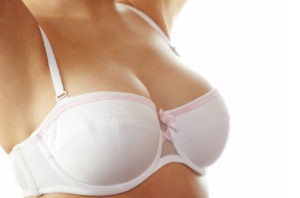 When planning breast augmentation, most patients focus on implant size. But the profile of your breast implants plays just as big a role in your final results. Implant profile refers to how far the implant projects forward from your chest when placed. Choosing the right profile can help you achieve natural-looking, balanced results that align with your body shape and aesthetic goals. Board-certified plastic surgeon Dr. David Kim performs breast augmentation for patients in Beverly Hills, Los Angeles, CA, and surrounding locations.
What Is Implant Profile?
The implant profile is the measurement of how wide an implant is compared to how much it projects outward. For example, a lower-profile implant has a wider base and less projection, while a higher-profile implant is narrower but projects more.
Types of Implant Profiles
-
Low Profile: Wide base, minimal projection. Best for women with broader chests seeking subtle, natural fullness.
-
Moderate Profile: Balanced width and projection. Ideal for women wanting natural volume with noticeable enhancement.
-
High Profile: Narrow base, more projection. Creates fuller, rounder breasts, often chosen by women with smaller chest widths.
-
Ultra-High Profile: Narrowest base and most forward projection. Provides dramatic results but less common due to its bold appearance.
How Profile Impacts Your Final Look
-
Chest Width Balance: Women with wider chests may look more balanced with low or moderate profiles.
-
Projection & Fullness: Higher profiles provide a perkier, rounder look.
-
Cleavage: High-profile implants can create more pronounced cleavage.
-
Natural Appearance: Moderate profiles often achieve the most natural outcome for average body types.
Other Factors to Consider
-
Implant size and profile must work together for the desired look.
-
Skin elasticity and breast tissue determine how the implant sits.
-
Lifestyle and personal goals influence which profile is best.
FAQs About Implant Profiles
Does a higher profile mean a bigger implant?
Not necessarily—profile refers to projection, not size.
Which profile looks most natural?
Moderate profiles often create the most natural look, but it depends on your body type.
Can I choose any profile I want?
Your surgeon will recommend options that best suit your anatomy and goals.
Schedule a Consultation with Beverly Hills California Plastic Surgeon Dr. Kim
For more information on the surgical and non-surgical procedures and treatments by Cosmetic Plastic Surgeons Dr. David Kim and Dr. Eugene Kim. Click here to contact us today.
Also visit drdavidkim.com
Serving Beverly Hills, Los Angeles, West Hollywood, Orange County, Southern California and surrounding areas.
 One of the most common concerns women have about breast augmentation is whether the results will look natural. The answer is yes—breast implants can look very natural when the right surgical techniques, implant choices, and patient factors are considered. Board-certified plastic surgeon Dr. David Kim performs breast augmentation for patients in Beverly Hills, Los Angeles, CA, and surrounding locations.
Factors That Affect Natural-Looking Results
1. Implant Size
Choosing implants that complement your body frame and proportions is key. Oversized implants may look artificial, while appropriately sized implants create a balanced look.
2. Implant Profile
Moderate-profile implants often provide the most natural projection, though your anatomy will determine the best choice.
3. Implant Placement
-
Submuscular (under the muscle): Offers a more natural slope and hides implant edges.
-
Subglandular (above the muscle): May look natural if enough breast tissue covers the implant.
4. Implant Type
-
Silicone implants: Known for a natural feel and appearance.
-
Saline implants: Can also look natural, though they may feel firmer in thinner patients.
5. Surgical Technique
A skilled, board-certified surgeon will place implants in a way that blends seamlessly with your anatomy.
Tips for Achieving Natural Results
-
Choose a surgeon who specializes in natural-looking augmentations.
-
Bring reference photos to your consultation.
-
Be realistic about size and proportion goals.
FAQs About Natural-Looking Implants
Will people know I have implants?
Not if you choose implants that match your frame and are placed with precision.
Do implants always look round and “fake”?
No—modern implants and surgical techniques create natural slopes and softness.
Can implants feel natural too?
Yes—silicone implants in particular mimic natural breast tissue.
Schedule a Consultation with Beverly Hills California Plastic Surgeon Dr. Kim
For more information on the surgical and non-surgical procedures and treatments by Cosmetic Plastic Surgeons Dr. David Kim and Dr. Eugene Kim. Click here to contact us today.
Also visit drdavidkim.com
Serving Beverly Hills, Los Angeles, West Hollywood, Orange County, Southern California and surrounding areas.
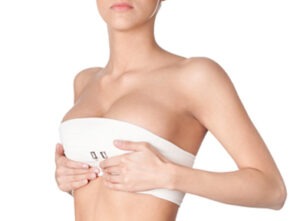 Scarring is a natural part of healing after breast augmentation or implant surgery. While scars can’t be avoided completely, they typically fade over time and can often be minimized with proper care. Board-certified plastic surgeon Dr. David Kim performs breast augmentation for patients in Beverly Hills, Los Angeles, CA, and surrounding locations.
Where Scars Are Located
-
Inframammary (under the breast crease): Hidden in the fold and one of the most common approaches.
-
Periareolar (around the areola): Blends with the natural color transition of the areola.
-
Transaxillary (in the armpit): Keeps scars off the breast itself.
What’s Normal in Breast Implant Scarring
-
Early stage (1–3 months): Scars may look red, raised, or firm.
-
Intermediate stage (3–6 months): Scars begin to flatten and fade in color.
-
Long-term (1 year+): Most scars soften into thin, faint lines.
When to Seek Medical Advice
If scars become unusually raised, thick, itchy, or painful, you may be experiencing hypertrophic or keloid scarring. In such cases, a surgeon may recommend additional treatments.
Tips to Help Scars Fade
-
Keep incisions clean and dry during early recovery.
-
Use silicone sheets or scar gels as recommended.
-
Protect scars from sun exposure with sunscreen or clothing.
-
Avoid smoking, which slows healing.
-
Follow all aftercare instructions carefully.
FAQs About Breast Implant Scars
Will scars always be visible?
Most fade significantly and are easily hidden with clothing or swimwear.
Are some people more prone to noticeable scars?
Yes—genetics and skin type play a big role.
Can scars be treated later if they don’t fade?
Yes—options like laser therapy, microneedling, or steroid injections can improve their appearance.
Schedule a Consultation with Beverly Hills California Plastic Surgeon Dr. Kim
For more information on the surgical and non-surgical procedures and treatments by Cosmetic Plastic Surgeons Dr. David Kim and Dr. Eugene Kim. Click here to contact us today.
Also visit drdavidkim.com
Serving Beverly Hills, Los Angeles, West Hollywood, Orange County, Southern California and surrounding areas.
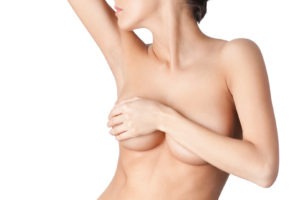 When planning for breast augmentation, most patients focus on implant size, type, and profile—but one factor that’s just as important (and often overlooked) is your natural breast shape. Your existing breast anatomy plays a major role in determining how implants will look and sit on your body, and understanding it can help you set realistic expectations and choose the right surgical plan for the best possible outcome.
In this blog, we’ll explore how different breast shapes affect augmentation results, what your plastic surgeon looks for during consultation, and how your anatomy can influence implant selection, incision type, and final appearance. Board-certified plastic surgeon Dr. David Kim performs breast augmentation for patients in Beverly Hills, Los Angeles, CA, and surrounding locations.
Why Breast Shape Matters in Breast Augmentation
Breast implants don’t exist in a vacuum—they work in harmony with your existing tissue, chest wall, and skin. That means the same implant placed in two different patients can look completely different depending on the starting point. Your natural breast shape influences:
-
How much cleavage you’ll have
-
How far apart your breasts sit
-
Where your nipples point
-
Whether your results look full, natural, round, or teardrop-shaped
-
Whether you may need a lift in addition to implants
During your consultation, a skilled plastic surgeon will assess your breast shape along with size, position, skin quality, and overall proportions to create a plan that matches your goals and anatomy.
Common Natural Breast Shapes
Every body is unique, but here are some general categories that describe breast shape variations:
Round Breasts
Evenly full at the top and bottom, round breasts tend to respond well to augmentation. These patients usually want increased volume without significant reshaping.
Teardrop Breasts
Fuller at the bottom than the top, this shape creates a natural, sloped profile. Implants can add upper pole fullness if desired, especially with higher-profile implants.
Tubular (Tuberous) Breasts
Characterized by a narrow base, large areolas, and breast tissue that herniates outward. Patients with tubular breasts often require a more complex surgical approach, including breast reshaping, areolar correction, and sometimes a lift.
Wide-Set Breasts
With more space between the breasts, patients with a wide-set shape may have less cleavage naturally. Implant selection and placement can help improve central fullness, but some spacing may remain.
Asymmetrical Breasts
Almost all women have some degree of breast asymmetry. In more noticeable cases, your surgeon may recommend different implant sizes or a lift on one side to create better balance.
Low or Ptotic Breasts
Breasts that sit low on the chest or have significant droop may need a breast lift (mastopexy) in addition to augmentation. Implants alone won’t correct nipple position or excess skin.
How Breast Shape Influences Implant Selection
Your natural shape helps guide your surgeon’s decisions about:
Implant Size and Profile
If you have a narrow chest or tight skin envelope, you may need a smaller or moderate-profile implant to avoid unnatural bulging. For flatter, teardrop-shaped breasts, a higher-profile implant may help restore upper pole volume.
Implant Placement (Above or Below the Muscle)
Patients with very little natural tissue may benefit from submuscular placement for more coverage and a natural look. Those with more existing volume may be candidates for subglandular placement to create more lift and projection.
Incision Location
Tubular breasts or significant asymmetry may require a periareolar or vertical incision for reshaping, while other patients may benefit from a discreet inframammary fold incision.
Need for a Breast Lift
If your breast shape includes droop or nipple ptosis, implants alone won’t lift the tissue. A lift combined with augmentation can reshape and elevate the breasts for a more youthful, centered result.
Realistic Expectations Based on Shape
Understanding your breast shape helps set realistic expectations. For example:
-
Wide-set breasts may still have a small gap post-op, even with implants
-
Very tight, small breasts may need a staged procedure to gradually expand the pocket
-
Significant asymmetry may not be 100% corrected but can be dramatically improved
-
A drooping breast with a low nipple will likely require more than an implant to achieve optimal results
The goal of breast augmentation isn’t just to increase size—it’s to create symmetry, balance, and harmony with your overall proportions.
Questions to Ask During Your Consultation
To make sure your breast shape is fully considered in your surgical plan, ask your surgeon:
-
How does my current breast shape affect my results?
-
Will I need a lift in addition to implants?
-
What type and profile of implant would work best for me?
-
How will you correct asymmetry or tubular characteristics?
-
Can I see before-and-after photos of patients with a similar shape?
A personalized, anatomy-aware approach is key to a successful outcome.
Why a Customized Surgical Plan Is Essential
There is no one-size-fits-all in breast augmentation. Your surgeon should evaluate your shape, skin elasticity, nipple position, rib cage anatomy, and personal preferences to create a result that looks and feels right for your body.
Skilled plastic surgeons use techniques like internal pocket creation, dual-plane placement, or tailored implant sizing to adapt to various shapes. The result? A natural-looking enhancement that fits you—not a generic outcome.
Your Shape, Your Results
Your natural breast shape is the foundation on which your augmentation results are built. By understanding how it affects implant selection, placement, and surgical strategy, you can approach the process with confidence and clarity. With the right surgeon and a personalized plan, you can achieve beautiful, natural-looking results that complement your unique figure.
Thinking About Breast Augmentation?
Schedule a consultation with a board-certified plastic surgeon to learn how your breast shape affects your options—and how to get the results you’ve been dreaming of.
Schedule a Consultation with Beverly Hills California Plastic Surgeon Dr. Kim
For more information on the surgical and non-surgical procedures and treatments by Cosmetic Plastic Surgeons Dr. David Kim and Dr. Eugene Kim. Click here to contact us today.
Also visit drdavidkim.com
Serving Beverly Hills, Los Angeles, West Hollywood, Orange County, Southern California and surrounding areas.
Weight fluctuations are a natural part of life, but how do they affect your breast implants? Whether you gain or lose weight after augmentation, changes in your body composition can influence the appearance and feel of your results. Board-certified plastic surgeon Dr. David Kim performs breast augmentation for patients in Beverly Hills, Los Angeles, CA, and surrounding locations.
How Weight Gain Affects Breast Implants
Gaining weight adds fat to various parts of the body — including the breasts. If you gain weight after getting implants:
– Your natural breast tissue may enlarge, making your breasts appear bigger
– The overall shape may change slightly, especially if the weight gain is significant
– Implants themselves don’t change, but added fat can make them look fuller
The impact depends on your body type and where you store fat.
How Weight Loss Affects Breast Implants
Losing weight can reduce the fat content in your natural breast tissue, which may lead to:
– A more pronounced implant appearance
– Slight sagging if skin elasticity is poor
– A “looser” feel in the breast area
Patients with very large implants may see less dramatic changes, while those with smaller implants might notice the contrast more.
Maintaining a Stable Weight
To preserve your augmentation results:
– Maintain a stable, healthy weight
– Eat a balanced diet and stay active
– Avoid extreme yo-yo dieting
Consistency is key to long-lasting, natural-looking results.
Pregnancy and Breastfeeding
Pregnancy often leads to weight gain and changes in breast tissue. These changes can affect:
– Breast size and skin elasticity
– The position of the implants
– The need for a future lift or revision
Discuss your family plans with your surgeon before surgery to factor them into your implant choice.
Weight changes don’t directly impact the integrity of your implants, but they can alter the appearance of your breasts. Maintaining a healthy, stable weight helps protect your investment and prolongs your satisfaction with your results.
Schedule a Consultation with Beverly Hills California Plastic Surgeon Dr. Kim
For more information on the surgical and non-surgical procedures and treatments by Cosmetic Plastic Surgeons Dr. David Kim and Dr. Eugene Kim. Click here to contact us today.
Also visit drdavidkim.com
Serving Beverly Hills, Los Angeles, West Hollywood, Orange County, Southern California and surrounding areas.
Breast augmentation is one of the most popular cosmetic procedures worldwide. If you’re considering breast implants, you probably have a lot of questions about the placement options and what’s best for you. This blog will address the most common FAQs regarding breast implant placement. Board-certified plastic surgeon Dr. David Kim performs breast augmentation for patients in Beverly Hills, Los Angeles, CA, and surrounding locations.
1. What Are the Different Types of Breast Implant Placement?
There are two primary placement options for breast implants:
- Subglandular (Over the Muscle): The implant is placed above the chest muscle and below the breast tissue.
- Submuscular (Under the Muscle): The implant is placed beneath the pectoral muscle.
A variation, known as dual-plane placement, places the upper part of the implant under the muscle and the lower part under the breast tissue.
2. Which Placement Option Looks More Natural?
- Submuscular placement generally provides a more natural look, especially for individuals with less natural breast tissue.
- Subglandular placement may look more natural in individuals with sufficient breast tissue to cover the implant.
3. Which Placement Option Is Best for Active Individuals?
If you’re an athlete or engage in frequent upper-body workouts, subglandular placement may be preferable because it avoids interference with the pectoral muscles. However, many athletes still opt for submuscular placement for a more natural appearance.
4. Is One Placement Option More Painful Than the Other?
- Submuscular placement typically involves more post-surgical discomfort because the chest muscle is manipulated during surgery.
- Subglandular placement may result in less discomfort and a faster recovery.
5. How Does Placement Affect the Risk of Capsular Contracture?
Capsular contracture is a condition where scar tissue forms tightly around the implant. Research suggests that submuscular placement may lower the risk of capsular contracture compared to subglandular placement.
6. Does Placement Affect Mammograms?
Yes. Submuscular implants tend to interfere less with mammograms, making it easier to detect abnormalities compared to subglandular implants. It’s important to inform your radiologist about your implants during a mammogram.
7. Will the Placement Affect Sagging Over Time?
- Subglandular implants may experience more visible sagging over time since they sit closer to the skin.
- Submuscular implants provide additional support, potentially reducing sagging.
8. How Do I Decide Which Placement Is Best for Me?
Choosing the best implant placement depends on several factors, including:
- Your body type and natural breast tissue
- Your lifestyle and physical activity level
- Your desired aesthetic outcome
- Your surgeon’s recommendations based on your anatomy
Conclusion
Deciding on breast implant placement is a crucial step in your breast augmentation journey. Consult with a board-certified plastic surgeon to determine which option best suits your goals and body type. With the right choice, you can achieve beautiful, natural-looking results that enhance your confidence.
Schedule a Consultation with Beverly Hills California Plastic Surgeon Dr. Kim
For more information on the surgical and non-surgical procedures and treatments by Cosmetic Plastic Surgeons Dr. David Kim and Dr. Eugene Kim. Click here to contact us today.
Also visit drdavidkim.com
Serving Beverly Hills, Los Angeles, West Hollywood, Orange County, Southern California and surrounding areas.
 Breast augmentation is an exciting journey, but the recovery process is just as important as the procedure itself. Knowing what to expect can help you heal faster and achieve the best results. Here are answers to some of the most frequently asked questions about breast augmentation recovery. Board-certified plastic surgeon Dr. David Kim performs breast augmentation for patients in Beverly Hills, Los Angeles, CA, and surrounding locations.
1. How Long Does It Take to Recover from Breast Augmentation?
Most patients can resume light activities within a few days, but full recovery takes about six to eight weeks. Your surgeon will provide a specific timeline based on your procedure and individual healing process.
2. Will I Be in Pain After Surgery?
Some discomfort is expected, especially in the first few days. Pain levels vary depending on implant placement:
- Submuscular implants may cause more discomfort as the muscle adjusts.
- Subglandular implants typically result in less pain. Your surgeon may prescribe pain medication or recommend over-the-counter pain relievers.
3. When Can I Resume Normal Activities?
- Light activities: 3-7 days post-surgery
- Work (desk jobs): 1-2 weeks
- Driving: Once off pain medications and with comfortable arm movement
- Exercise & heavy lifting: 4-6 weeks (depending on your surgeon’s advice)
- Full recovery: Around 8 weeks
4. What Should I Avoid During Recovery?
- Lifting heavy objects (over 10 lbs) for at least four weeks
- Sleeping on your stomach or sides for a few weeks
- Strenuous workouts and high-impact activities
- Smoking and alcohol, as they can slow healing
5. How Should I Sleep After Surgery?
It’s best to sleep on your back with your upper body elevated for at least a few weeks. This reduces swelling and discomfort while promoting proper healing.
6. Will There Be Swelling and Bruising?
Yes, swelling and bruising are normal. Swelling peaks in the first week and gradually decreases over the following weeks. Wearing a compression bra can help reduce swelling and support your new breasts.
7. How Do I Care for My Incisions?
- Keep incisions clean and dry.
- Follow your surgeon’s instructions for applying ointments or dressings.
- Avoid submerging in water (baths, pools, or hot tubs) until cleared by your doctor.
- Monitor for signs of infection (excessive redness, warmth, or pus).
8. When Will My Implants Settle Into Place?
Initially, implants may appear high on the chest due to swelling and muscle tightness. This is called the drop and fluff process, which usually takes a few months as the implants settle into a more natural position.
9. What Are Signs of Complications During Recovery?
While complications are rare, contact your surgeon if you experience:
- Severe pain that isn’t relieved by medication
- Excessive swelling or redness
- Unusual discharge from incisions
- Fever or chills
- Significant asymmetry or implant displacement
10. When Can I Wear a Normal Bra?
Most surgeons recommend wearing a surgical or soft sports bra for the first 6 weeks. Underwire bras should be avoided until your surgeon gives the go-ahead.
Conclusion
A smooth recovery is essential for the best breast augmentation results. By following your surgeon’s guidelines, taking care of your body, and being patient, you’ll be on your way to enjoying your new look. If you have any concerns during recovery, don’t hesitate to reach out to your surgeon.
Schedule a Consultation with Beverly Hills California Plastic Surgeon Dr. Kim
For more information on the surgical and non-surgical procedures and treatments by Cosmetic Plastic Surgeons Dr. David Kim and Dr. Eugene Kim. Click here to contact us today.
Also visit drdavidkim.com
Serving Beverly Hills, Los Angeles, West Hollywood, Orange County, Southern California and surrounding areas.
 Breast augmentation is a popular cosmetic procedure sought by many individuals for various reasons, including enhancing breast size and shape. However, one common question that arises is whether breast augmentation can improve or correct stretch marks on the breasts. Stretch marks, or striae, are a common skin concern, and understanding how they might be affected by breast augmentation is important for anyone considering this procedure. Board-certified plastic surgeon Dr. David Kim performs breast augmentation for patients in Beverly Hills, Los Angeles, CA, and surrounding locations.
Understanding Breast Augmentation
Breast augmentation is a surgical procedure designed to enhance the size or alter the shape of the breasts using implants. These implants can be either silicone or saline, and the choice often depends on individual preferences and specific aesthetic goals. The surgery is performed for a variety of reasons, including aesthetic enhancement, restoration of breast volume lost after pregnancy or significant weight loss, and achieving breast symmetry.
During the procedure, implants are placed either beneath the breast tissue or under the chest muscle. The location and type of implant, as well as the incision site, are carefully chosen based on the patient’s body type and desired outcome. These decisions are made in consultation with a board-certified plastic surgeon to ensure the best possible results.
Breast augmentation not only provides physical benefits, such as a more balanced figure, but also offers psychological advantages. Many individuals report improved body image and increased self-esteem following the surgery. However, it’s important to have a comprehensive understanding of the procedure, including potential risks and the recovery process. Recovery can vary from person to person, but most patients can return to normal activities within a few weeks, with full results visible after a few months.
Understanding the nuances of breast augmentation can help you make an informed decision about whether this procedure aligns with your personal goals.
Causes and Characteristics of Stretch Marks
Stretch marks are a type of skin scarring that develops when the skin is stretched quickly due to factors like rapid growth, significant weight gain, pregnancy, or hormonal changes. They typically manifest as long, narrow streaks or lines and can vary in color from red and purple to white, depending on their age and the individual’s skin type. These marks occur when the underlying tissue expands faster than the skin’s ability to stretch, causing the collagen and elastin fibers to rupture. This tearing leads to the characteristic lines seen on the skin’s surface.
Stretch marks are commonly found in areas where fat is stored, such as the abdomen, thighs, hips, buttocks, breasts, and upper arms. While they are not harmful and do not pose any health risks, they can be a significant cosmetic concern for many. Their appearance can affect an individual’s self-esteem and confidence, prompting the search for effective treatments to diminish their visibility.
Several factors contribute to the development of stretch marks, including genetic predisposition, hormonal fluctuations, and the degree and speed of skin stretching. Understanding these underlying causes can help in identifying the most effective methods for minimizing their appearance. Although complete removal is often challenging, various treatments are available to improve their texture and color, making them less noticeable over time.
Common Concerns About Stretch Marks
Individuals with stretch marks on their breasts often wonder how these marks might change with breast augmentation. A frequent concern is whether the increase in breast size will make existing stretch marks more prominent. Since breast augmentation involves adding volume, there’s a possibility that the skin will stretch further, potentially accentuating stretch marks. On the flip side, some hope that the procedure might somehow alleviate their appearance.
It’s crucial to understand that the impact of breast augmentation on stretch marks varies. The procedure itself does not specifically target stretch marks, so results can differ based on factors like the location and severity of the stretch marks, as well as the type of skin. In some cases, the added volume can make stretch marks less noticeable by redistributing the skin more evenly over the implants.
Another common concern is whether the procedure can cause new stretch marks to form. While this is less common, rapid stretching of the skin could theoretically lead to new stretch marks, particularly in individuals prone to them.
Understanding how breast augmentation may interact with existing stretch marks can help set realistic expectations. Speaking with a board-certified plastic surgeon can provide personalized insights, helping to address individual concerns and outline potential outcomes.
How Breast Augmentation May Affect Stretch Marks
Breast augmentation may impact stretch marks by altering the tension and distribution of the skin over the breasts. When implants are placed, they can cause the skin to stretch more evenly, which might make existing stretch marks less noticeable. However, this effect is not guaranteed and depends on various factors such as the size and type of implant, as well as the severity and location of the stretch marks.
In some cases, the additional volume from implants can cause the skin to stretch further, potentially making stretch marks more pronounced. This is particularly true if the skin was already significantly stretched prior to the procedure. Additionally, individuals who are prone to developing stretch marks might experience new ones as the skin adjusts to the increased breast size.
The type of skin you have also plays a role in how stretch marks respond to breast augmentation. For example, skin with greater elasticity might adjust more smoothly, reducing the visibility of stretch marks. Conversely, less elastic skin might be more prone to showing stretch marks.
For those specifically concerned about stretch marks, combining breast augmentation with other treatments, such as laser therapy or microneedling, can offer a more comprehensive approach. Discussing your goals and concerns with a board-certified plastic surgeon can provide you with tailored advice on managing stretch marks alongside breast augmentation.
Additional Treatments for Stretch Marks
In addition to breast augmentation, several treatments can help minimize the appearance of stretch marks. Topical treatments, such as retinoid creams, work by stimulating collagen production, which can improve the texture and color of stretch marks over time. Laser therapy is another effective option, targeting the deeper layers of the skin to promote regeneration and reduce the visibility of stretch marks. Microdermabrasion, a non-invasive procedure, exfoliates the skin’s outer layer, enhancing skin texture and appearance. Microneedling, which involves tiny needles creating micro-injuries in the skin, can also stimulate collagen and elastin production, leading to improved skin elasticity and reduced stretch mark visibility.
Consulting with a dermatologist or skincare professional is crucial to determine the most appropriate treatment plan tailored to your skin type and the specific characteristics of your stretch marks. Combining these treatments with breast augmentation can offer a more comprehensive approach, addressing both your desire for enhanced breast size and the cosmetic concern of stretch marks. By integrating multiple treatments, you may achieve more satisfactory and noticeable results, contributing to a more balanced and aesthetically pleasing outcome.
Consulting with Your Plastic Surgeon
A detailed consultation with a board-certified plastic surgeon is vital before proceeding with breast augmentation. This meeting allows you to articulate your goals and express any concerns, including those about stretch marks. Your surgeon will provide individualized advice and help set realistic expectations regarding how the procedure might affect your stretch marks. They can also recommend supplementary treatments, such as laser therapy or microneedling, to address stretch marks more effectively. Additionally, your surgeon will assess factors like your skin type, the severity of your stretch marks, and your overall health to tailor a treatment plan that best suits your needs. This personalized approach ensures that both your desire for enhanced breast size and your concerns about stretch marks are addressed comprehensively.
Realistic Expectations and Final Thoughts
It’s important to approach breast augmentation with a clear understanding of what the procedure can and cannot achieve, particularly regarding stretch marks. While the primary goal of breast augmentation is to enhance the size and shape of the breasts, its impact on stretch marks varies. Some individuals may notice a subtle improvement in the appearance of their stretch marks due to the redistribution of the skin over the new implants. However, this effect is not guaranteed, and in some cases, the added volume may make existing stretch marks more noticeable.
For those looking to address both breast augmentation and stretch marks, a combination approach might be beneficial. Incorporating treatments like laser therapy, microneedling, or topical retinoids alongside breast augmentation can help improve the texture and color of stretch marks, offering a more comprehensive cosmetic solution. It’s crucial to have a detailed conversation with your plastic surgeon about your specific goals and concerns. They can provide personalized recommendations and set realistic expectations based on your individual circumstances.
Understanding that the results will vary from person to person helps in setting realistic goals. Being well-informed about the potential outcomes and possible limitations of the procedure allows you to make a more educated decision. By approaching breast augmentation with a balanced perspective and considering additional treatments for stretch marks, you can work towards achieving your aesthetic aspirations while managing expectations effectively.
Schedule a Consultation with Beverly Hills California Plastic Surgeon Dr. Kim
For more information on the surgical and non-surgical procedures and treatments by Cosmetic Plastic Surgeons Dr. David Kim and Dr. Eugene Kim. Click here to contact us today.
Also visit drdavidkim.com
Serving Beverly Hills, Los Angeles, West Hollywood, Orange County, Southern California and surrounding areas.
Breast augmentation is a popular cosmetic procedure that aims to enhance the size and shape of a woman’s breasts. While the results can be life-changing, complications can sometimes arise. One such complication is the “double bubble” deformity. Understanding the signs and treatment options for this condition is crucial for anyone considering or who has undergone breast augmentation. Board-certified plastic surgeon Dr. David Kim provides breast revision to patients in Beverly Hills, Los Angeles, CA, and surrounding locations.
Understanding Double Bubble in Breast Augmentation
The term “double bubble” in breast augmentation describes a specific complication where an additional crease or fold appears below the natural breast crease, creating a “double” appearance. This deformity can significantly affect the visual results of breast augmentation, leading to an unnatural look and potential dissatisfaction.
A double bubble deformity often occurs when the breast implant moves out of its intended position. This displacement can be due to several reasons, such as improper placement during surgery or the natural anatomy of the breast not accommodating the implant as planned. For example, if the implant is placed either too high or too low, it can shift, causing the skin and tissue to create a second crease below the nipple area.
The occurrence of a double bubble can be influenced by the initial surgical technique and the type of implant used. Anatomical factors, such as the position of the inframammary fold (the crease under the breast) and the elasticity of the skin, also play a role. If the inframammary fold is not properly adjusted during the surgery, or if the skin lacks sufficient elasticity to hold the implant in place, a double bubble may form over time.
Additionally, larger implants or those with a particular shape might be more prone to causing this issue. The experience and skill of the surgeon performing the augmentation are crucial, as precise technique and an understanding of individual anatomy can reduce the risk of this complication.
Understanding these contributing factors is essential for patients and surgeons alike to plan effectively and minimize the chances of a double bubble deformity occurring.
Common Signs and Symptoms of Double Bubble
The most apparent sign of a double bubble deformity is the presence of a secondary fold or line beneath the natural breast crease, resulting in an uneven or asymmetrical breast appearance. This additional crease can make one breast look noticeably different from the other, which can be distressing for patients seeking a uniform and natural look.
Patients might also experience physical discomfort in the area, such as tightness or pressure, especially when the implant shifts and presses against the breast tissue. Another symptom to watch for is changes in the contour and shape of the breast, which may be noticeable when wearing certain types of clothing or swimwear.
In some cases, the deformity can be subtle and not immediately evident to the untrained eye. For these patients, a thorough examination by a qualified plastic surgeon is essential for accurate diagnosis. The surgeon will evaluate the overall appearance and feel of the breasts, checking for any signs of displacement or irregularity in the breast tissue.
Additionally, if you observe changes over time or experience discomfort, it’s important to consult with your surgeon promptly. Early detection and intervention can prevent the issue from worsening and make corrective treatment more straightforward.
Being vigilant about these signs and symptoms can help ensure timely and effective management of a double bubble deformity, improving both the aesthetic outcome and overall satisfaction with the breast augmentation procedure.
Factors Contributing to Double Bubble Deformity
Several factors can contribute to the development of a double bubble deformity. One of the primary contributors is the improper placement of the breast implant during the initial surgery. If the implant is situated either too high or too low, it can lead to an undesired shift over time. The natural anatomy of the breast, including the position of the inframammary fold and the elasticity of the skin, also plays a significant role. If the inframammary fold is not properly adjusted or if the skin lacks the necessary elasticity to hold the implant securely, a double bubble deformity may form.
Additionally, the size and type of the implant can impact the likelihood of developing this issue. Larger implants or those with a specific shape might exert more pressure on the breast tissue, increasing the risk of displacement. The surgical technique used can also influence the outcome. For instance, if the implant is placed above the muscle in a patient with weak tissue support, it might lead to more noticeable creasing and folding.
Another critical factor is the experience and skill of the surgeon performing the augmentation. Surgeons with a deep understanding of individual anatomy and meticulous technique can significantly reduce the risk of complications like double bubble deformity.
Moreover, post-operative factors such as how well the patient follows recovery guidelines and the body’s natural healing process can influence the stability and positioning of the implants. Patients need to adhere to post-surgical instructions and attend follow-up appointments to monitor the healing process and address any issues promptly. By being aware of these contributing factors, both patients and surgeons can work together to minimize the risk of double bubble deformity.
Diagnostic Procedures for Identifying Double Bubble
Identifying a double bubble deformity typically starts with a thorough visual examination by a qualified plastic surgeon. During this assessment, the surgeon will carefully observe the shape, contour, and symmetry of the breasts to detect any irregularities, such as the presence of an additional fold beneath the natural breast crease. The surgeon will also palpate the area to evaluate the position and feel of the implant relative to the surrounding breast tissue.
In some instances, further imaging studies may be necessary to obtain a comprehensive understanding of the implant’s placement and the extent of the deformity. Techniques such as ultrasound or MRI can provide detailed images of the breast tissue and implant, revealing any displacement or abnormal folding that may not be immediately visible during a physical examination. These imaging tools can be particularly useful for assessing the implant’s exact position and determining the best course of action for correction.
The combination of a detailed physical examination and advanced imaging studies allows the surgeon to accurately diagnose the severity and specifics of the double bubble deformity. This diagnostic process is crucial for developing an effective treatment plan tailored to the patient’s unique anatomy and needs.
It is essential for patients to seek evaluation from an experienced plastic surgeon who specializes in breast augmentation and related complications. Such specialists possess the expertise to identify subtle signs of deformity and recommend the most appropriate diagnostic procedures. By employing a meticulous diagnostic approach, surgeons can ensure precise identification of double bubble deformities and pave the way for successful corrective interventions.
Surgical Correction Techniques for Double Bubble
Surgical correction of a double bubble deformity typically involves several strategic approaches to reposition and stabilize the implant. One effective method is to re-establish the proper positioning of the implant within the breast pocket, ensuring it sits correctly and symmetrically. Surgeons may employ internal sutures to secure the implant and prevent further displacement, providing added support to the surrounding tissue. Another technique might involve revising the inframammary fold, either by reinforcing it or creating a new fold that better accommodates the implant’s placement.
In some instances, it may be necessary to replace the existing implant with one that is more suitable for the patient’s anatomical structure. This could mean selecting an implant of a different size, shape, or material that offers a better fit and reduces the risk of recurrence. Additionally, surgeons might opt for a dual-plane placement, which positions the implant partially under the pectoral muscle, offering more natural contouring and improved stability.
Advanced imaging techniques, such as ultrasound or MRI, can assist surgeons in precisely planning the corrective procedure, allowing for a tailored approach that addresses the specific cause of the deformity. These corrections aim to restore a natural and symmetrical breast appearance, thereby enhancing patient satisfaction with the results of their breast augmentation.
Preventive Measures to Avoid Double Bubble Deformity
Preventing a double bubble deformity starts with selecting a highly skilled and experienced plastic surgeon who understands the nuances of breast augmentation. Detailed pre-operative planning is essential, including careful consideration of implant size, shape, and placement relative to your unique anatomy. During the procedure, the surgeon should ensure precise positioning of the implant within the breast pocket and make necessary adjustments to the inframammary fold. Post-operatively, it’s crucial to follow your surgeon’s care instructions diligently, which typically include wearing a supportive bra, avoiding strenuous activities, and attending all scheduled follow-up appointments. These steps help ensure the implant stays in place as you heal. Maintaining good communication with your surgeon throughout the recovery process allows for early detection and intervention if any signs of displacement or complications arise. By taking these proactive measures, you can significantly reduce the risk of developing a double bubble deformity and achieve a more satisfying and natural-looking outcome from your breast augmentation.
Schedule a Consultation with Beverly Hills California Plastic Surgeon Dr. Kim
For more information on the surgical and non-surgical procedures and treatments by Cosmetic Plastic Surgeons Dr. David Kim and Dr. Eugene Kim. Click here to contact us today.
Also visit drdavidkim.com
Serving Beverly Hills, Los Angeles, West Hollywood, Orange County, Southern California and surrounding areas.