
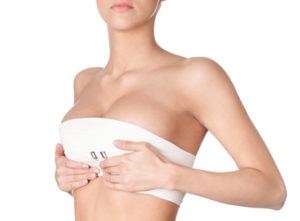
 For many women considering breast augmentation, one of the important questions that arise is whether they can still breastfeed after the procedure. The good news is that most women who undergo breast augmentation can breastfeed their babies. However, there are several factors to consider that can influence the ability to breastfeed, including the surgical technique used, the placement of the implants, and individual variations in healing and anatomy. In this blog post, we will explore what you need to know about breastfeeding after breast augmentation, from understanding the procedures to addressing common concerns and myths. Board-certified plastic surgeon Dr. David Kim provides breast augmentation to patients in Beverly Hills, Los Angeles, CA, and surrounding locations.
Understanding Breast Augmentation Procedures
Breast augmentation involves surgically increasing breast size and enhancing shape using either saline or silicone implants. Each type of implant has its own advantages and considerations. The procedure requires making incisions, which can be located under the breast, around the areola, or in the armpit. These incision sites can impact breastfeeding in various ways, depending on their proximity to milk ducts and nerves.
For example, the periareolar incision, made around the nipple, might have a higher chance of affecting milk ducts or nerves, potentially influencing breastfeeding capability. In contrast, incisions made under the breast or in the armpit may pose a lesser risk to these critical structures.
The placement of the implants is another factor to consider. Implants can be placed either above or below the chest muscle. Positioning implants beneath the chest muscle may help preserve the natural functionality of breast tissue, as it minimizes direct interference with milk ducts and glandular tissue.
It’s essential to discuss these details with your surgeon, especially if you plan to breastfeed in the future. The surgeon can provide guidance on which surgical techniques and incision sites might best align with your breastfeeding goals, helping you make an informed decision. Understanding the intricacies of your chosen breast augmentation procedure will better prepare you for any potential impact on breastfeeding.
The Impact of Surgical Techniques on Breastfeeding
The surgical technique used during breast augmentation plays a crucial role in determining breastfeeding outcomes. Techniques that minimize disruption to the breast tissue and milk ducts are generally more favorable for breastfeeding success. For instance, placing implants beneath the chest muscle is often recommended because it can help preserve more of the natural breast function, reducing direct interference with milk ducts and glandular tissue.
Different surgical approaches have varying degrees of impact. Surgeons may choose methods designed to avoid cutting through milk ducts and major nerves, thereby preserving the breast’s natural ability to produce milk and respond to breastfeeding. For example, incisions made under the breast or in the armpit might pose a lower risk to milk ducts and nerves compared to periareolar incisions, which are made around the nipple and could potentially impact these structures.
It’s also important to note that the extent of tissue involvement and the size of the implants can influence breastfeeding. Larger implants or extensive tissue manipulation might affect milk production and nipple sensation. Some women may experience changes in nipple sensitivity, which can be temporary or, in rare cases, permanent, impacting the breastfeeding experience.
Choosing a skilled surgeon and discussing your breastfeeding goals before the procedure can help tailor the surgical technique to minimize risks. By opting for less invasive methods and carefully considering incision sites, you can better preserve your ability to breastfeed post-surgery. Open communication with your surgeon about these aspects can significantly influence the overall outcome, ensuring that your goals and concerns are addressed throughout the surgical planning process.
How Implants Affect Milk Supply and Nipple Sensation
The presence of breast implants doesn’t usually interfere directly with milk production. However, factors such as implant placement, size, and the surgical technique employed can have secondary effects. Women who have implants placed beneath the chest muscle often report fewer issues with breastfeeding compared to those with implants placed above the muscle, as this method tends to preserve more of the natural breast tissue and its functions.
Changes in nipple sensation can occur following breast augmentation, with some women experiencing heightened sensitivity, while others may notice reduced or altered sensation. These changes can be temporary but, in rare instances, may become permanent. This altered sensation can impact the breastfeeding experience by affecting the let-down reflex, which is vital for milk flow.
The size of the implants can also play a role. Larger implants may exert pressure on the breast tissue, potentially impacting milk ducts and affecting milk supply. Additionally, the extent of tissue manipulation during the procedure can influence milk production. Women with minimal tissue disruption are more likely to maintain their milk supply compared to those who undergo extensive manipulation.
It’s crucial to monitor any changes in sensation or milk supply after the procedure. If you experience difficulties, seeking guidance from a healthcare provider or lactation consultant can provide valuable support. They can help assess whether the issues are related to the implants or if other factors might be contributing, and offer strategies to improve your breastfeeding experience.
Understanding these potential impacts and working closely with your healthcare team can help you navigate breastfeeding successfully after breast augmentation.
Consulting with Your Surgeon Before and After Surgery
When planning for breast augmentation, it’s essential to have a detailed conversation with your surgeon about your future breastfeeding plans. Your surgeon can explain the potential impacts of different surgical techniques and implant placements on breastfeeding, helping you make informed decisions. Discussing your goals openly will allow the surgeon to consider options that prioritize the preservation of milk ducts and nerves.
Post-surgery, maintaining open lines of communication with your surgeon is equally important. Schedule regular follow-up appointments to monitor your healing process and address any issues that arise. Your surgeon can provide specific advice on how to care for your breasts and manage any changes in sensation or milk supply that you might experience.
If you encounter any breastfeeding challenges, such as pain, low milk supply, or changes in nipple sensation, bring these concerns to your surgeon’s attention. They can help determine whether these issues are related to the implants and guide you on the appropriate steps to take. Additionally, they might recommend consulting a lactation expert for specialized support.
Proper post-operative care and close monitoring can significantly influence your breastfeeding journey. Your surgeon’s expertise and guidance are invaluable resources as you navigate this experience, ensuring that you have the support you need to breastfeed successfully after your breast augmentation.
Breastfeeding Tips for New Mothers with Implants
Breastfeeding after breast augmentation can come with unique challenges, but there are several strategies that can help ensure a successful experience. One of the most effective steps is to work with a lactation consultant. These professionals can provide personalized advice tailored to your specific situation and offer hands-on support to address any issues that arise.
Paying close attention to your baby’s feeding cues and breastfeeding frequently can help stimulate milk production and maintain a steady supply. If you encounter difficulties such as low milk supply, using breast pumps can be beneficial. Pumping between feedings can encourage milk flow and help keep your supply up.
Exploring different breastfeeding positions can also make a significant difference. Some positions may be more comfortable and effective for you, particularly if you have experienced changes in nipple sensation. Experiment with various holds, such as the football hold or side-lying position, to find what works best for you and your baby.
It’s important to stay hydrated and maintain a nutritious diet, as overall health and well-being can influence milk production. Taking care of yourself allows you to better care for your baby, ensuring that both of you benefit from the breastfeeding experience.
If you’re still facing challenges, don’t hesitate to reach out for additional support. Lactation consultants, healthcare providers, and breastfeeding support groups can offer valuable insights and encouragement. By leveraging these resources, you can navigate the breastfeeding journey with greater confidence and ease.
Common Concerns and Myths About Breastfeeding After Implants
There are several myths surrounding breastfeeding after breast augmentation that can cause unnecessary worry. A prevalent misconception is that breast implants can compromise milk safety by leaking silicone into breast milk. However, extensive research indicates that silicone implants are inert, meaning they don’t release harmful substances into breast milk, posing no risk to the baby.
Another common concern is the ability to produce enough milk. Although some women might experience changes in milk supply, many can breastfeed successfully with little to no significant issues. It’s important to recognize that factors such as implant placement, surgical technique, and individual anatomical differences can influence milk production. Open communication with healthcare providers can help address these concerns effectively.
Some women worry that breast implants will make breastfeeding painful or uncomfortable. While changes in nipple sensation can occur, they don’t necessarily lead to painful breastfeeding. For many, any changes in sensation are temporary and improve with time.
Lastly, the belief that all surgical interventions will lead to breastfeeding failure is misleading. With the right surgical approach and post-operative care, many women with implants can breastfeed successfully. Dispelling these myths and focusing on factual information can empower women to make informed choices and seek appropriate support when needed.
Schedule a Consultation with Beverly Hills California Plastic Surgeon Dr. Kim
For more information on the surgical and non-surgical procedures and treatments by Cosmetic Plastic Surgeons Dr. David Kim and Dr. Eugene Kim. Click here to contact us today.
Also visit drdavidkim.com
Serving Beverly Hills, Los Angeles, West Hollywood, Orange County, Southern California and surrounding areas.
 When considering breast augmentation, one of the most crucial decisions to make is the type of breast implants you want. Among the available options, textured and smooth implants are the two primary types. Each comes with its unique benefits and drawbacks, and understanding these differences is key to making an informed choice. This blog post will explore the characteristics of both textured and smooth breast implants to help you determine which is right for you. Board-certified plastic surgeon Dr. David Kim provides breast augmentation to patients in Beverly Hills, Los Angeles, CA, and surrounding locations.
Understanding Textured Breast Implants
Textured breast implants have a uniquely rough surface designed to adhere to the surrounding tissue, which reduces the risk of movement within the breast pocket and provides greater stability. This feature makes them particularly appealing for individuals seeking a more natural look and feel, as the implant is less likely to shift over time.
One of the noted benefits of textured implants is their potential to lower the incidence of capsular contracture, a condition where scar tissue around the implant tightens, causing discomfort and aesthetic issues. This is particularly important for those concerned about long-term complications following breast augmentation.
Textured implants are available in various shapes and sizes, allowing for a highly personalized approach to breast augmentation. Surgeons may favor textured implants for specific surgical techniques, especially when the implant is placed above the muscle. The textured surface can help the implant stay in the intended position, providing consistent results over time.
However, it’s essential to consider the potential risks associated with textured implants. They have been linked to a rare but serious condition called Anaplastic Large Cell Lymphoma (ALCL), which has raised safety concerns. It’s crucial to discuss these risks with your surgeon to make an informed decision.
Textured implants can be more expensive than smooth implants, which might influence your overall budget for breast augmentation. Understanding these aspects will help you weigh the pros and cons effectively.
Exploring Smooth Breast Implants
Smooth breast implants feature a sleek, polished surface, allowing them to move freely within the breast pocket. This mobility can offer a more natural feel, as the implant mimics the movement of natural breast tissue. Available in both round and anatomical shapes, smooth implants cater to a variety of aesthetic preferences.
One significant advantage of smooth implants is their lower risk of rippling, a concern that is more common with textured implants. The freedom of movement within the breast pocket also means that smooth implants can settle more naturally over time, contributing to a more lifelike appearance.
Additionally, smooth implants are typically more affordable than textured options. This cost-effectiveness makes them an attractive choice for those mindful of their budget for breast augmentation.
Smooth implants are often preferred for subglandular placements (above the muscle), where their polished surface allows for easier placement and manipulation during surgery. This can be particularly beneficial for achieving a symmetrical and aesthetically pleasing outcome.
However, it’s worth noting that the increased mobility of smooth implants can sometimes result in unwanted shifting within the breast pocket. While this movement can contribute to a natural feel, it may not be ideal for everyone. Some patients may find that this characteristic leads to less predictability in the final positioning of the implant.
Understanding these features will help you better evaluate whether smooth breast implants align with your aesthetic goals and expectations for your breast augmentation journey.
Pros and Cons of Textured Breast Implants
Textured breast implants offer specific advantages that can be appealing for various reasons. The textured surface is designed to adhere to surrounding tissue, which helps in reducing the risk of implant movement and displacement. This feature is particularly beneficial for achieving a stable and natural-looking result, as the implant is less likely to shift over time. Additionally, some studies suggest that textured implants may lower the incidence of capsular contracture, a condition where scar tissue tightens around the implant, leading to discomfort and aesthetic issues.
However, it’s important to be aware of the potential complications associated with textured implants. One of the significant concerns is their link to a rare but serious condition known as Anaplastic Large Cell Lymphoma (ALCL), which has raised questions about their long-term safety. Textured implants also tend to be more expensive than their smooth counterparts, which could be a critical factor for those on a budget. Once placed, textured implants are generally less flexible, which could limit future adjustments or repositioning options.
By understanding these benefits and drawbacks, you can better assess whether textured breast implants align with your specific needs and expectations.
Pros and Cons of Smooth Breast Implants
Smooth breast implants come with their own unique set of advantages and disadvantages that are worth considering.
- **Natural Movement:** The smooth surface allows these implants to move more freely within the breast pocket, creating a sensation that closely mimics natural breast tissue.
- **Lower Risk of ALCL:** Smooth implants are generally associated with a reduced risk of developing Anaplastic Large Cell Lymphoma (ALCL), which is a significant consideration for long-term safety.
- **Cost-Effective:** Compared to textured implants, smooth implants are often more budget-friendly, making them an attractive option for those mindful of their overall breast augmentation costs.
- **Capsular Contracture:** Smooth implants might have a higher likelihood of capsular contracture, where scar tissue forms tightly around the implant, causing discomfort and aesthetic concerns.
- **Increased Mobility:** While the natural movement can be a pro, it can also be a con if the implant shifts more than desired, potentially affecting the symmetry and final positioning.
- **Rippling:** Smooth implants can sometimes be more prone to visible rippling, especially in patients with thinner breast tissue. This can be a cosmetic concern for those looking for a seamless, smooth appearance.
These factors should be weighed carefully to determine if smooth breast implants align with your breast augmentation goals and expectations.
Making the Decision – Factors to Consider
Making the decision between textured and smooth breast implants involves a variety of important factors that can influence the outcome of your breast augmentation.
Firstly, your aesthetic goals play a significant role. If you desire a stable implant that maintains its position over time, textured implants may be the better choice. On the other hand, if you prefer an implant that mimics the natural movement of breast tissue, smooth implants might be more suitable.
Health considerations are equally crucial. It’s essential to discuss any specific health concerns with your surgeon, particularly the risks associated with textured implants, such as the rare but serious condition Anaplastic Large Cell Lymphoma (ALCL).
Your choice of surgical technique can also impact the type of implant recommended. For instance, textured implants might be favored for subglandular placements due to their stability, while smooth implants are often preferred for submuscular placements because of their ease of placement and natural feel.
Cost is another significant factor. Smooth implants are generally more affordable than textured ones, which might influence your decision if you are budget-conscious. It’s important to consider the total cost, including both the implants and surgical fees, to make an informed choice.
Lastly, individual anatomical considerations and personal preferences should be taken into account. Factors such as skin elasticity, existing breast tissue, and your body’s unique characteristics can influence the most suitable type of implant for you.
Taking all these factors into account will help guide you in making the most informed decision for your breast augmentation.
Consultation and Personalization – Your Path Forward
Navigating the decision between textured and smooth breast implants can be complex, and personalized guidance from a qualified plastic surgeon is invaluable. An in-depth consultation allows your surgeon to evaluate your unique anatomical features, discuss your aesthetic objectives, and tailor recommendations to your needs.
During the consultation, it’s essential to communicate openly about your desired outcomes, any health concerns, and specific preferences. This dialogue ensures that your surgeon understands your vision and can explain how different implant types might achieve your goals. Your surgeon will also assess factors such as your skin elasticity, existing breast tissue, and overall body proportions to determine which implant type may provide the best results.
Moreover, your surgeon will explain the procedural aspects of breast augmentation, including the surgical technique that might be most suitable for you. For instance, if you’re considering subglandular placement, your surgeon might discuss the stability advantages of textured implants. Conversely, if you’re leaning towards submuscular placement, the natural feel of smooth implants may be highlighted.
Financial considerations are another critical topic during the consultation. Your surgeon can provide a detailed breakdown of costs associated with each implant type, helping you understand how your budget aligns with your desired procedure.
Additionally, your surgeon will address any potential risks, such as the rare but serious condition associated with textured implants, Anaplastic Large Cell Lymphoma (ALCL). This discussion ensures you are fully informed about the safety profile of each option.
A successful consultation is a two-way street. While your surgeon offers expert advice and technical information, your input and questions are equally important. Don’t hesitate to ask about recovery times, the longevity of different implant types, and any other concerns that come to mind. The goal is to equip you with all the necessary information to make a well-informed decision that aligns with your aesthetic and health priorities.
Ultimately, this collaborative approach between you and your surgeon sets the stage for a successful breast augmentation journey, tailored specifically to your individual needs and aspirations.
Schedule a Consultation with Beverly Hills California Plastic Surgeon Dr. Kim
For more information on the surgical and non-surgical procedures and treatments by Cosmetic Plastic Surgeons Dr. David Kim and Dr. Eugene Kim. Click here to contact us today.
Also visit drdavidkim.com
Serving Beverly Hills, Los Angeles, West Hollywood, Orange County, Southern California and surrounding areas.
 Breast augmentation has become one of the most sought-after cosmetic procedures, helping individuals achieve their desired body image and boost their confidence. Whether you’re considering it to enhance your figure, restore volume after weight loss or pregnancy, or simply improve symmetry, it’s important to understand what to expect from the process. This guide will provide valuable insights into breast augmentation, from the procedure itself to the recovery process and long-term results. Board-certified plastic surgeon Dr. David Kim provides breast augmentation to patients in Beverly Hills, Los Angeles, CA, and surrounding locations.
Understanding the Procedure and Its Benefits
Breast augmentation involves placing implants to enhance breast size or restore volume. Two primary types of implants are available: saline and silicone. Saline implants are filled with sterile saltwater, while silicone implants contain a gel that mimics the feel of natural breast tissue. The decision between saline and silicone often hinges on personal preference, desired outcomes, and a detailed consultation with your surgeon.
Beyond aesthetic improvements, breast augmentation offers several psychological and practical benefits. Many women experience a notable boost in self-confidence and body image satisfaction following the procedure. This newfound confidence can enhance the way clothing fits, particularly swimwear and form-fitting garments, making you feel more comfortable and empowered in your own skin.
Another significant advantage of breast augmentation is the ability to achieve better body proportions. Whether you’re looking to balance out your figure or restore fullness lost due to weight fluctuations, aging, or pregnancy, breast implants can help create a more harmonious and appealing silhouette. This transformation can contribute to a greater sense of femininity and overall well-being.
In addition to these benefits, breast augmentation can be customized to address specific goals, such as improving breast symmetry. While the procedure primarily focuses on increasing size and enhancing contour, it can also help correct minor asymmetries, giving you a more balanced appearance. For more significant asymmetry or sagging, your surgeon may recommend combining breast augmentation with other procedures like a breast lift to achieve optimal results.
Ultimately, the key to a successful breast augmentation lies in thorough planning and clear communication with your surgeon. By discussing your expectations, desired implant type, and aesthetic goals, you can ensure that the procedure aligns with your vision, resulting in a more confident and content version of yourself.
Realistic Expectations and Potential Outcomes
While breast augmentation can provide significant improvements in appearance, it’s essential to approach the procedure with realistic expectations. The outcome can vary widely based on individual factors such as body type, implant size, and the surgical technique used. Each person’s results will be unique, and it’s important to understand that.
Typically, patients will see an increase in breast size and an improved contour. However, breast augmentation alone does not address concerns such as sagging or marked asymmetry. For those issues, additional procedures like a breast lift might be necessary to achieve the desired look. Open and honest communication with your surgeon about your goals will help ensure your expectations are aligned with what is realistically achievable through breast augmentation.
The final appearance will also be influenced by your natural anatomy and the type of implant selected. For instance, choosing between saline and silicone implants can impact not only the feel but also the look of your augmented breasts. Your surgeon will guide you in making the best choice to meet your aesthetic goals while considering your body’s proportions.
Swelling and changes in the breast’s appearance are common immediately after surgery, and it can take several months for the implants to settle into their final position. This gradual change means that the immediate post-surgery look is not the end result. Patience is vital during this period, as the ultimate appearance will evolve over time.
Understanding these nuances will help you set realistic expectations and achieve a satisfying outcome. By aligning your goals with what breast augmentation can realistically deliver, you’ll be better prepared for both the immediate and long-term results of your procedure.
Immediate Post-Surgery Experience and Recovery Timeline
Following breast augmentation, the immediate post-surgery phase is crucial for setting the foundation for a smooth recovery. Patients typically experience swelling, bruising, and some discomfort, which can be managed with prescribed medications or over-the-counter pain relievers. It’s normal to feel tired and sore, but these symptoms usually subside within the first week.
Rest is paramount during the initial days post-surgery. While light activities can be resumed after a few days, it’s vital to avoid heavy lifting and strenuous exercise for several weeks to allow proper healing. Many surgeons recommend wearing a supportive bra to provide added comfort and stability for the new implants.
Follow-up appointments with your surgeon are essential during this period. These visits allow your surgeon to monitor your healing progress and address any concerns or complications that may arise. It’s also an opportunity to receive personalized advice on how to care for your incisions and manage any discomfort.
Typically, the initial recovery period lasts about one to two weeks. During this time, patients often notice a significant reduction in swelling and discomfort, enabling them to gradually return to their normal daily routines. However, the complete healing process, including the settling of the implants into their final position, can take several months. It’s important to be patient and give your body the time it needs to adjust and heal fully.
Keeping yourself well-hydrated and maintaining a balanced diet can support your recovery. Additionally, following all post-operative care instructions provided by your surgeon will help ensure the best possible outcome. Patience and adherence to your surgeon’s guidelines are key factors in achieving a smooth recovery and the best long-term results.
Long-Term Results and Maintenance
Breast augmentation offers long-lasting results, but it’s important to be aware that implants are not permanent. Regular check-ups with your surgeon are crucial to monitor the condition of your implants and address any issues that may arise. Over time, changes in your body due to aging, weight fluctuations, or hormonal shifts can impact the appearance of your augmented breasts.
To maintain the desired look, some individuals may consider revision surgery or implant replacement after several years. Keeping a healthy lifestyle, including a balanced diet and regular exercise, can support the longevity of your results. It’s also essential to be mindful of any changes in your breasts and report them to your surgeon promptly.
Scar tissue, known as capsular contracture, can occasionally form around the implants, causing discomfort or altering the breast’s appearance. Regular monitoring and early intervention can address such issues effectively. Additionally, modern implants are designed with durability in mind, but they still require vigilant care and periodic evaluation.
Adhering to your surgeon’s recommendations for follow-up appointments and imaging studies, such as MRI or ultrasound, can help ensure the implants remain in good condition. This proactive approach allows for the early detection of any potential problems, contributing to the longevity of your breast augmentation results.
Choosing the Right Surgeon for Optimal Results
Choosing the right surgeon for your breast augmentation is a critical step in ensuring optimal results and a satisfying experience. Start by researching potential surgeons who are board-certified in plastic surgery. Board certification signifies that the surgeon has undergone rigorous training and meets high standards of expertise and professionalism.
Patient reviews and testimonials can provide valuable insights into a surgeon’s skills and bedside manner. Look for consistent positive feedback and pay attention to any recurring concerns or issues raised by previous patients. Additionally, before-and-after photos of the surgeon’s work can give you a clear sense of their aesthetic style and the quality of their results.
During your initial consultation, it’s important to ask detailed questions about the surgeon’s experience with breast augmentation, including the number of procedures they have performed and their specific approach to the surgery. Inquire about the types of implants they recommend based on your body type and desired outcomes, and discuss the various surgical techniques they might use.
A good surgeon will take the time to thoroughly explain the procedure, including the risks and potential complications, as well as what you can realistically expect in terms of results. They should be willing to listen to your goals and concerns and provide honest, clear answers to all your questions. This open communication helps build trust and ensures that you are fully informed before making your decision.
It’s also beneficial to discuss the post-operative care and follow-up schedule during your consultation. Understanding what to expect during the recovery process and the level of support the surgeon provides can significantly impact your overall experience. A surgeon who offers comprehensive follow-up care demonstrates a commitment to your long-term well-being and the success of your augmentation.
Trust your instincts when evaluating potential surgeons. Feeling comfortable and confident in your surgeon’s abilities is crucial. The right surgeon will make you feel at ease and will be dedicated to helping you achieve the best possible outcome. By investing the time to thoroughly research and consult with qualified surgeons, you can make an informed decision that aligns with your goals and expectations for breast augmentation.
Schedule a Consultation with Beverly Hills California Plastic Surgeon Dr. Kim
For more information on the surgical and non-surgical procedures and treatments by Cosmetic Plastic Surgeons Dr. David Kim and Dr. Eugene Kim. Click here to contact us today.
Also visit drdavidkim.com
Serving Beverly Hills, Los Angeles, West Hollywood, Orange County, Southern California and surrounding areas.
 Are you one of the many women who struggle with breast asymmetry? Perhaps you’ve always felt self-conscious about the unevenness of your breasts and have considered breast augmentation as a solution. In this blog post, we will explore how breast augmentation can help correct breast asymmetry and achieve a more balanced and harmonious appearance. Board-certified plastic surgeon Dr. David Kim provides breast augmentation to patients in Beverly Hills, Los Angeles, CA, and surrounding locations.
Understanding Breast Asymmetry
Breast asymmetry is a prevalent condition characterized by a significant difference in the size, shape, or position of one breast compared to the other. While it is natural for women to have some level of asymmetry in their breasts, for many, the disparity can be more pronounced and may stem from a range of causes. These include genetic predispositions, where asymmetry is passed down through family lines, hormonal variations that can affect breast size and development during puberty, significant weight changes which can alter breast volume, and developmental conditions such as juvenile hypertrophy or tuberous breast deformity. Additionally, life events such as pregnancy and breastfeeding can further exaggerate asymmetry due to the differing responses of each breast to hormonal changes. Despite its frequency, pronounced breast asymmetry can lead to psychological discomfort and a diminished sense of well-being for those affected. It’s important to recognize the multifaceted nature of this condition, understanding that it encompasses more than just a difference in size – shape and position discrepancies also play a critical role. By acknowledging the complexity of breast asymmetry, individuals can better navigate their feelings towards it and consider the most suitable avenues for correction, such as breast augmentation, with a clear and informed perspective.
Breast Augmentation as a Solution
Breast augmentation stands out as a transformative option for those grappling with the challenges of breast asymmetry. This surgical approach not only enables the enhancement of breast volume but also meticulously addresses discrepancies in shape and positioning, facilitating a harmonious and aesthetically pleasing outcome. By employing implants, surgeons can tailor the procedure to suit the individual’s unique body structure and aesthetic aspirations, thereby achieving a balanced silhouette.
The process involves a detailed consultation phase where the surgeon evaluates the degree of asymmetry and collaborates closely with the patient to select the most suitable implant characteristics. This personalized strategy is pivotal, as each case of asymmetry presents its own set of complexities. Factors such as the desired final appearance, the inherent asymmetry between the breasts, and the patient’s body frame are all taken into consideration to ensure that the chosen implants complement the existing tissue and frame in the most natural and flattering way possible.
Moreover, advancements in surgical techniques and implant technology have broadened the scope for customization and precision. Surgeons can now offer a range of solutions that were previously unattainable, making breast augmentation a highly effective method for correcting asymmetry. By focusing on the unique needs and goals of each patient, this procedure empowers individuals to overcome the physical and emotional hurdles associated with asymmetrical breasts, paving the way for enhanced self-confidence and satisfaction with one’s body. Through meticulous planning and execution, breast augmentation provides a pathway to achieving symmetry and balance, transforming not only one’s appearance but also their outlook on life.
Choosing the Right Implants for Symmetry
Navigating the selection of implants is a critical component of the breast augmentation process, particularly when addressing asymmetry. This step requires a nuanced understanding of how different implant characteristics can influence the final aesthetic outcome. Implants come in a variety of sizes, shapes, and materials, each offering distinct advantages. Silicone implants, known for their natural feel, and saline implants, valued for their adjustability in volume, present unique options to accommodate individual preferences and anatomical considerations.
The shape of the implant, whether round or anatomically shaped (also known as “teardrop”), can significantly affect the breast profile and the naturalness of the contour. Round implants often provide a fuller appearance at the top of the breasts, while teardrop implants mimic the natural slope of the breast, potentially offering a more subtle enhancement.
Implant placement, either above or beneath the muscle, is another important factor that can impact the appearance of symmetry. Submuscular placement may be recommended for individuals with less natural breast tissue, as it provides additional coverage over the implant, resulting in a more natural look. Conversely, subglandular placement (above the muscle) might be preferable for certain body types and desired outcomes.
The consultation process with your surgeon is instrumental in making these decisions. Utilizing advanced imaging techniques, surgeons can project potential outcomes, enabling a collaborative approach to selecting the ideal implant characteristics. This personalized planning ensures that the chosen implants align with the overall goal of enhancing breast symmetry while respecting the patient’s body frame and desired aesthetic. Through a thoughtful selection process, patients and surgeons can work together to envision and achieve a balanced, harmonious outcome.
The Role of the Plastic Surgeon in Achieving Symmetry
The efficacy of breast augmentation in addressing asymmetry is heavily dependent on the expertise and approach of the plastic surgeon. An adept surgeon is pivotal in navigating the complexities inherent in each unique case of breast asymmetry, ensuring the chosen surgical plan is meticulously aligned with the patient’s anatomical features and aesthetic desires. Their role extends beyond the operating room; it involves a comprehensive assessment of the asymmetry, understanding the patient’s vision, and setting realistic expectations.
A key aspect of their responsibility is to provide a detailed explanation of the available implant options and how each might contribute to a more symmetrical outcome. This includes discussions on the size, shape, and material of the implants, as well as their placement relative to the muscle and breast tissue.
Furthermore, the surgeon’s experience and insight are crucial in predicting how adjustments made to one breast might affect the overall balance and appearance of both breasts. This may involve recommending different procedures or techniques for each breast to achieve a cohesive look.
Their expertise also ensures that they can anticipate and adeptly manage any potential challenges that might arise during the procedure, thereby minimizing risks and maximizing the chances of a successful outcome.
In essence, the plastic surgeon’s role is not just surgical; it is deeply consultative, requiring a blend of artistic judgment, technical skill, and clear communication. This collaborative process is instrumental in crafting a surgical plan that aligns with the patient’s aspirations for symmetry, ultimately contributing to their satisfaction with the final results.
Realistic Expectations and Outcomes
Embarking on the journey of breast augmentation to correct asymmetry, patients should anticipate significant improvements rather than absolute perfection. The procedure is highly effective in creating a more balanced and aesthetically appealing appearance, but it’s vital to understand that every individual’s body has its unique characteristics that can influence the surgical outcome. During the consultation phase, your plastic surgeon will provide a thorough assessment of what can be realistically achieved, taking into account the specific nuances of your asymmetry and how they might affect the overall look after surgery.
It’s also crucial to recognize that the body’s natural healing process plays a significant role in the final result. Variations in healing between the two breasts can sometimes lead to slight differences post-surgery, which are often minimal but worth noting. Additionally, over time, natural aging, gravity, and life events like pregnancy or weight fluctuations can alter the appearance of the breasts, possibly affecting the long-term symmetry achieved through augmentation.
Understanding these factors and maintaining open communication with your surgeon about your expectations can help set the stage for satisfaction with your breast augmentation journey. By aligning your hopes with the attainable outcomes discussed by your surgeon, you can approach the process with a positive outlook and an appreciation for the improvements that are possible, acknowledging that the goal is enhancement, not flawlessness.
Recovery and Care Post-Surgery
The healing phase following your breast augmentation is a critical component of your journey toward achieving breast symmetry. Adhering closely to the guidance provided by your surgeon will facilitate a smoother and quicker recovery. Initially, you might encounter discomfort along with noticeable swelling and some bruising, which are common and should diminish over time. Wearing the surgical bra or compression garment recommended by your surgeon is vital, as it supports your breasts during the healing process and helps to minimize swelling.
Ensuring adequate rest and avoiding strenuous activities or any heavy lifting is crucial in the first few weeks after the procedure. This precaution aids in preventing any undue pressure on your breasts, allowing the tissues to heal properly and the implants to settle into their designated position. Your surgeon will likely advise you on specific exercises or movements to avoid and when you can safely resume your normal activities, including returning to work and engaging in exercise.
Hydration and maintaining a healthy diet can also play a significant role in your recovery. Proper nutrition supports your body’s healing mechanisms, potentially speeding up the recovery process. Additionally, it’s important to keep all scheduled follow-up appointments with your surgeon. These visits allow your surgeon to monitor your healing progress, evaluate the settling of your implants, and address any concerns or questions you may have as you move through your recovery journey.
By following these guidelines and maintaining open communication with your plastic surgeon, you can help ensure a successful recovery and enjoy the outcomes of your breast augmentation procedure.
Schedule a Consultation with Beverly Hills California Plastic Surgeon Dr. Kim
For more information on the surgical and non-surgical procedures and treatments by Cosmetic Plastic Surgeons Dr. David Kim and Dr. Eugene Kim. Click here to contact us today.
Also visit drdavidkim.com
Serving Beverly Hills, Los Angeles, West Hollywood, Orange County, Southern California and surrounding areas.
If you’re considering breast augmentation, it’s important to understand the key steps for a smooth preparation. From choosing the right surgeon to planning for recovery, there are several factors to consider to ensure a successful outcome. In this blog post, we’ll guide you through the process of preparing for breast augmentation to help you feel confident and informed every step of the way. Board-certified plastic surgeon Dr. David Kim provides breast augmentation to patients in Beverly Hills, Los Angeles, CA, and surrounding locations.
Understanding Breast Augmentation
Breast augmentation, a highly sought-after cosmetic procedure, entails the surgical insertion of implants to elevate the breast size and contour. It stands as a beacon of hope for those looking to enhance their self-esteem and achieve a more balanced body silhouette. The journey towards undergoing this transformation requires a nuanced comprehension of what the procedure entails, including the types of implants available—saline and silicone, each with its unique advantages and considerations.
Moreover, the surgical techniques employed can vary, influencing the placement of implants either beneath the breast tissue or underneath the chest muscle, decisions that significantly impact the final aesthetic outcome. Equally important is the candid acknowledgment of potential risks and complications, such as implant rupture, capsular contracture, and the necessity for possible revision surgeries in the future.
Understanding the recovery timeline is also crucial, as it involves a period of rest, limited physical activity, and adherence to specific post-operative care instructions to foster healing and optimize results. Patients should embark on this journey with a clear vision of their aesthetic goals while aligning their expectations with the attainable realities of breast augmentation. Engaging in thorough discussions with a skilled plastic surgeon is essential to navigate the plethora of choices and considerations, ensuring an informed decision-making process that aligns with the individual’s unique desires and anatomical characteristics. By delving deep into the nuances of breast augmentation, patients can pave the way towards a gratifying outcome that harmonizes with their personal aspirations and body image goals.
Choosing the Right Surgeon
Selecting a surgeon skilled in breast augmentation is pivotal to achieving your desired outcome. Prioritize board certification in plastic surgery, as this signifies a surgeon’s rigorous training and adherence to high standards of care and ethics. Extensive research is key—explore potential surgeons’ backgrounds, delve into their experience with breast augmentations, and meticulously review testimonials and before-and-after images of their work. These steps can offer insights into their aesthetic judgment and surgical outcomes.
Scheduling consultations with prospective surgeons provides a valuable opportunity to articulate your aesthetic goals and gauge the level of comfort and understanding between you and the surgeon. During these meetings, inquire about their experience with the specific type of breast implants you are considering, and ask about the surgical approach they recommend for your body type and desired results. This is also an opportune moment to understand more about their operative facility and to inquire about the support team that will be assisting with your procedure.
A transparent conversation about potential risks and the surgeon’s protocols for handling complications should not be overlooked. Understanding their policy on revision surgeries, should they be necessary, is also crucial.
Remember, the rapport you build with your surgeon plays a crucial role in the journey toward your new appearance. Feeling heard, respected, and comfortable asking questions is essential for a trusting patient-surgeon relationship. This connection not only aids in establishing realistic expectations but also ensures you are fully informed and confident in the decisions made regarding your breast augmentation.
Preparing for Your Consultation
To ensure a productive and informative consultation, assembling a comprehensive list of queries is essential. This preparation will facilitate a detailed discussion about your aesthetic preferences, including the ideal size, the choice between saline and silicone implants, preferred incision sites, and the positioning of the implants that would best suit your physique. It’s crucial to communicate openly about your expectations and desired outcome, allowing the surgeon to tailor their approach to your unique case.
Additionally, a thorough review of your health history is imperative for a safe and successful procedure. This includes divulging details about any current medications, vitamins, or supplements you’re taking, as well as disclosing any prior surgical interventions. Such information is vital for assessing your candidacy for breast augmentation and for crafting a personalized surgical plan that considers all safety aspects.
Preparing a list of questions also presents an opportunity to delve into the specifics of the procedure, such as the recovery process, potential risks, and the surgeon’s experience with cases similar to yours. This discussion can extend to the logistics of the surgical day, including the duration of the procedure, the type of anesthesia to be used, and the recovery facilities available.
By meticulously organizing your thoughts and inquiries prior to your consultation, you’ll not only maximize the efficiency of the meeting but also build a foundation of trust and mutual understanding with your surgeon. This preparatory step is a crucial component of your journey, ensuring you’re well-informed and confident in the decisions surrounding your breast augmentation.
Getting Your Body Ready
Preparing your body for breast augmentation is an essential phase of the surgical journey, involving several key adjustments and practices to ensure you’re in the best possible health for your procedure. Adhering to your surgeon’s pre-operative guidelines is crucial; this often includes abstaining from smoking and avoiding certain medications or supplements that can increase the risk of bleeding, such as aspirin, ibuprofen, and vitamin E. Implementing a nutritious diet rich in vitamins and minerals supports your body’s natural healing processes, while engaging in regular, moderate exercise can enhance circulation, aiding in a smoother recovery.
Hydration plays a pivotal role in preparing your body for surgery and the healing process that follows. Drinking plenty of water in the weeks before your procedure can help ensure you’re well-hydrated, contributing to overall well-being and optimal skin condition. It’s also important to establish a consistent sleep schedule that promotes adequate rest, as sleep is critical for immune function and recovery.
Additionally, preparing mentally for surgery is equally important. Consider practices that reduce stress and promote a positive mindset, such as meditation, reading, or gentle yoga. Establishing a calm, prepared mental state can enhance your resilience and aid in a more comfortable recovery period.
By taking these steps to care for your body and mind, you’re not only facilitating a smoother surgical experience but also contributing to the success of your breast augmentation and the beauty of your results.
Planning for Recovery
Embarking on your recovery journey post-breast augmentation requires thoughtful preparation to ensure a smooth and comfortable healing process. Designating a trusted friend or family member to provide transportation after the surgery and assist with daily tasks during the initial recovery phase is crucial. Adhering to your surgeon’s aftercare instructions is paramount for a successful healing period. These guidelines often encompass managing post-surgery discomfort with prescribed medications, adhering to restrictions on lifting and physical exertion, and properly caring for incision sites to prevent infection.
Creating a tranquil and accessible recovery space at home prior to your procedure can significantly impact your healing experience. Stock this area with essential items such as medications, water, healthy snacks, and entertainment options to keep you comfortably engaged while resting. It’s also advisable to prepare meals in advance and arrange for help with household chores, enabling you to focus solely on your recovery.
Ensuring your environment promotes relaxation and healing, with everything you might need within easy reach, minimizes stress and physical strain during this critical period. Planning ahead for a period of reduced activity and setting up a support system not only alleviates concerns about daily responsibilities but also allows you to dedicate your energy towards recuperation. By meticulously organizing your recovery phase, you lay the groundwork for a smoother transition towards enjoying the results of your breast augmentation.
Post-Op Care and Follow-Up
Navigating the recovery journey after breast augmentation is crucial for achieving the desired aesthetic results and maintaining the health of your new enhancements. Diligent adherence to post-operative care instructions provided by your surgeon is key. These directives will likely include guidelines on how to manage discomfort, the recommended approach to scar treatment, and specific exercises or massages that can facilitate proper healing and implant positioning. Ensuring a successful recovery also involves closely monitoring the surgical sites for any signs of infection or complications and adhering to limitations on physical activities to prevent strain on the healing tissues.
Scheduled follow-up visits with your plastic surgeon are an integral component of the post-operative phase. These appointments allow for the assessment of your recovery progress, adjustment of care plans as needed, and timely intervention if any issues arise. They also offer an opportunity to address any concerns or questions that may emerge during the healing process.
Engaging with your surgeon’s office for support and guidance throughout the recovery period is encouraged. Whether it’s clarification on care instructions, concerns about changes in breast appearance or sensation, or navigating the emotional aspects of the post-surgery experience, your healthcare team is a vital resource. Embracing these elements of post-op care and follow-up enhances not only the outcome of your breast augmentation but also your overall well-being during this transformative journey.
Schedule a Consultation with Beverly Hills California Plastic Surgeon Dr. Kim
For more information on the surgical and non-surgical procedures and treatments by Cosmetic Plastic Surgeons Dr. David Kim and Dr. Eugene Kim. Click here to contact us today.
Also visit drdavidkim.com
Serving Beverly Hills, Los Angeles, West Hollywood, Orange County, Southern California and surrounding areas.
 When considering breast augmentation, it is important for patients to have a clear understanding of what is realistically achievable in terms of results. While it is natural to have desires and expectations for the outcome of the procedure, it is crucial to have realistic goals in mind to ensure satisfaction with the final results. In this blog post, we will delve into the various factors that influence breast augmentation results and how patients can manage their expectations effectively. Board-certified plastic surgeon Dr. David Kim provides breast augmentation to patients in Beverly Hills, Los Angeles, CA, and surrounding locations.
Understanding the Basics of Breast Augmentation
Breast augmentation, a widely recognized cosmetic procedure, entails the surgical insertion of implants to amplify the volume and contour of the breasts. This intervention aims to augment the aesthetic appeal of the breasts, offering a more proportionate and pleasing body silhouette. Central to grasping the fundamentals of breast augmentation is acknowledging the variety of implant types, including silicone and saline, each with its own set of benefits and considerations. Additionally, the procedure involves decisions about implant size, shape, and placement, which are tailored to meet the patient’s visual aspirations while respecting the natural limits of their body’s framework.
The process requires a comprehensive pre-surgical evaluation, where the surgeon evaluates the patient’s physical health, breast anatomy, and skin elasticity. This assessment is pivotal in determining the most suitable surgical technique and implant type for achieving a harmonious and natural-looking enhancement. Furthermore, patients are briefed on the procedural steps, from incision options to implant positioning—whether beneath the breast tissue or deeper, under the pectoral muscle. Each choice impacts the final appearance and feel of the breasts, as well as the recovery trajectory.
It’s imperative for individuals contemplating this procedure to possess a thorough understanding of these components, as they significantly influence both the aesthetic outcomes and the longevity of the results. Engaging in an open dialogue with a qualified plastic surgeon is essential in navigating these decisions, ensuring that the selected approach aligns with the patient’s expectations and lifestyle. Through informed consent and a mutual understanding of the procedural intricacies, breast augmentation can be a transformative experience, fostering enhanced self-image and confidence.
The Importance of Individual Anatomy in Breast Augmentation
A crucial determinant of breast augmentation outcomes lies in the unique physical characteristics of each patient. The intricacies of one’s anatomy, including breast volume, configuration, and skin quality, significantly impact the potential achievements of this cosmetic enhancement. Recognizing the influence of these factors is paramount in setting attainable expectations for the surgery. An individual’s pre-existing breast dimensions and tissue elasticity, for instance, may limit or facilitate the accommodation of certain implant sizes or shapes, thereby influencing the overall aesthetic effect.
Additionally, the natural spacing between the breasts, the position of the nipples, and the chest wall’s shape can all alter how implants appear post-surgery, affecting the perceived balance and proportionality. It’s essential for individuals to engage in a thorough discussion with their surgeon about how their anatomical features could affect both the visual and tactile qualities of the augmentation. Understanding that each body is distinct, and thus, will respond differently to the same type of implant, underscores the importance of personalized surgical planning.
This realization encourages a collaborative approach between surgeon and patient, where both parties can work together to choose an implant and surgical strategy that aligns with the patient’s aspirations while honoring the natural contours of their body. Embracing one’s individual anatomy not only facilitates a smoother surgical journey but also ensures that the outcomes of breast augmentation harmonize beautifully with the patient’s overall physique, enhancing self-confidence and satisfaction with the procedure.
Achievable Results vs. Desired Outcomes
Navigating the journey of breast augmentation involves balancing one’s aspirations with the attainable enhancements that can realistically be provided by the procedure. It is essential for patients to recognize that while their envisioned outcomes serve as a guide, the physical limitations of their anatomy, coupled with the surgical techniques available, define the scope of possible results. A candid discussion with a plastic surgeon is invaluable in this regard, as it helps bridge the gap between what patients hope to achieve and what can actually be accomplished.
The alignment of expectations starts with an understanding that every surgical outcome is as unique as the individual receiving it. Patients often come with a preset notion of their desired size, shape, and overall appearance post-surgery, influenced by images or results seen in others. However, it’s the surgeon’s role to provide a professional assessment of how these desires align with the realities of the patient’s body type, skin elasticity, and current breast anatomy.
This process may involve exploring various implant options or considering how different surgical approaches can impact the final look and feel of the augmentation. It’s a collaborative effort to mold expectations, ensuring they are rooted in what is safely and aesthetically achievable. Ultimately, the goal is to enhance one’s body in a way that complements their natural silhouette while meeting their aesthetic desires as closely as possible. This careful balancing act is fundamental to achieving a result that not only meets but possibly exceeds a patient’s initial aspirations, grounded in a realistic perspective of their breast augmentation journey.
The Role of Your Plastic Surgeon in Setting Realistic Goals
In the context of breast augmentation, your plastic surgeon is not just a medical professional but a vital partner in achieving the outcomes that align with your aspirations. They hold the dual responsibility of being both an advisor and an advocate for your aesthetic journey. Through the initial consultation and beyond, your surgeon takes on the task of understanding your vision, evaluating how your unique physical characteristics can support this vision, and then clearly communicating the possibilities and limitations inherent in the procedure. This crucial dialogue is where the groundwork for realistic expectations is laid.
Your surgeon’s extensive training and experience are pivotal in navigating the myriad options available in breast augmentation, from implant types and sizes to procedural techniques. They possess the expertise to recommend the best course of action that marries your desires with what is feasibly achievable, ensuring that the planned outcome is as close to your ideal as possible while maintaining a focus on safety and health.
Moreover, your surgeon’s role extends to educating you about the nuances of the procedure, including potential impacts on your body, the longevity of the results, and any risks involved. This comprehensive approach ensures that you are fully informed and prepared for the journey ahead, setting a foundation for satisfaction with the final results. By fostering an environment of open communication and trust, your surgeon empowers you to make informed decisions, ultimately guiding you towards achieving your breast augmentation goals with realistic expectations.
Managing Expectations: Size, Shape, and Symmetry
In the realm of breast augmentation, the ideals of size, shape, and symmetry are central to many patients’ visions. It’s essential to approach these aspects with a blend of hope and pragmatism. Communicating your desires is a key step, yet embracing the expertise of your surgeon regarding the achievability of these goals is equally critical. Implant choices are abundant, yet not all options will complement every individual’s anatomy or achieve the desired effect. A surgeon’s guidance is invaluable in aligning your goals with the most suitable implant characteristics and surgical techniques. It’s important to recognize that perfect symmetry, while a common aim, may not always be feasible due to natural anatomical variations. Adjusting expectations to account for these realities can significantly enhance satisfaction with the surgical outcome. Emphasis on achieving a balanced, proportionate look rather than perfection will lead to a more rewarding result. Through this understanding and collaboration, patients and surgeons can work together towards a successful enhancement that respects the body’s natural contours and the patient’s aesthetic aspirations.
Recovery and Final Results: A Timeline
The journey to witnessing the final results of a breast augmentation procedure is marked by a period of recovery that requires patience and adherence to prescribed post-operative care. Initially, patients will experience swelling and may notice their breasts sitting higher on the chest than anticipated. This is a normal part of the healing process, as the body adjusts to the implants. During this time, it is crucial to follow the surgeon’s guidance, which may include wearing a support garment and limiting certain activities to ensure optimal healing.
As weeks progress, the swelling will gradually decrease, and the implants will start to settle into a more natural position. This descent, often referred to as “dropping and fluffing,” allows the breasts to take on a softer and more natural appearance. It’s important for patients to understand that this phase can vary in duration, typically ranging from a few weeks to several months, depending on individual healing rates and the specifics of the surgical technique used.
Around the three to six-month mark, most of the noticeable changes will have taken place, giving patients a good indication of their final breast appearance. However, it may take up to a year for the implants to fully settle and for any residual swelling to resolve completely. During this time, the incision lines will also mature, becoming less conspicuous.
Acknowledging that the recovery timeline is a gradual process helps set realistic expectations for when the final outcomes of breast augmentation will be visible. This understanding is key to ensuring satisfaction with the transformative journey of breast enhancement.
Schedule a Consultation with Beverly Hills California Plastic Surgeon Dr. Kim
For more information on the surgical and non-surgical procedures and treatments by Cosmetic Plastic Surgeons Dr. David Kim and Dr. Eugene Kim. Click here to contact us today.
Also visit drdavidkim.com
Serving Beverly Hills, Los Angeles, West Hollywood, Orange County, Southern California and surrounding areas.
When considering breast augmentation, one of the top concerns for many patients is achieving natural-looking results. The goal of this procedure is to enhance the size and shape of the breasts while maintaining a natural appearance that complements the patient’s overall physique. In this blog post, we will discuss the various factors that contribute to natural-looking breast implants and how patients can ensure the best outcome for their unique needs. Board-certified plastic surgeon Dr. David Kim provides breast augmentation to patients in Beverly Hills, Los Angeles, CA, and surrounding locations.
Understanding Your Anatomy and Desired Outcome
Embarking on the journey of breast augmentation requires a deep dive into personal anatomy and clear articulation of the aesthetic you aim to achieve. Every individual presents a distinct body framework, encompassing variations in breast volume, chest width, and skin quality, which significantly influence surgical outcomes. Engaging in a thorough conversation with your plastic surgeon about what you hope to accomplish allows for the crafting of a tailored approach that respects your natural contours and aligns with your vision.
The essence of this dialogue is to establish a shared understanding of how your unique anatomical features can be harmoniously enhanced through breast augmentation. It involves evaluating your current breast size, evaluating the base width of your chest, and considering factors such as skin elasticity, which can affect the choice of implants and their eventual placement. This personalized strategy aims not just to augment size but to refine the breast shape in a way that feels authentic to your body.
Discussing your desired outcome involves more than expressing a preferred cup size; it’s about conveying the look and feel you envision for your post-surgery breasts. Whether seeking a subtle enhancement or a more noticeable transformation, clarity about your aesthetic goals guides the selection process of implant type, size, and placement options that will best realize your objectives. This preparatory stage is crucial for setting realistic expectations and ensuring that the final results of your breast augmentation not only meet but also enhance your natural beauty.
Selecting the Right Type and Size of Breast Implants
Choosing the ideal type and size of breast implants is a pivotal step in the journey towards natural-looking breast augmentation. This decision is influenced by various factors, including your body’s unique proportions, the existing amount of breast tissue, and how your skin will accommodate and adapt to the implants. During your consultation, the conversation with your plastic surgeon will revolve around selecting the implant material—silicone gel or saline—that aligns with your desired feel and appearance. The shape of the implant, whether round or anatomically shaped (often referred to as “teardrop”), is another critical factor, as it affects the contour and silhouette of the augmented breast.
The profile of the implant, which determines how much the implant projects from the chest wall, is tailored to your body’s frame to ensure the augmentation complements your overall physique. The size of the implant, measured in cubic centimeters (cc), should enhance your breast volume in proportion to your body size and the width of your chest, creating a balanced and harmonious appearance.
Collaborating closely with your plastic surgeon during this selection process ensures the chosen implants will achieve a look that feels true to you. This strategic approach, grounded in an understanding of your anatomy and aesthetic aspirations, is crucial for realizing results that not only elevate your appearance but feel inherently like a part of you. Through this meticulous planning, the outcome of your breast augmentation is designed to blend seamlessly with your natural form, embodying your vision of beauty with authenticity and grace.
The Significance of Implant Placement
Implant placement is a critical factor in the pursuit of achieving a natural aesthetic with breast augmentation. The choice between submuscular (under the chest muscle) and subglandular (over the chest muscle) placement options significantly impacts the final appearance and feel of breast implants. The decision is made after careful consideration of the individual’s unique body characteristics and the goals they aim to achieve through augmentation.
For those seeking a more subtle and natural contour, submuscular placement is often recommended. This technique allows the implant to sit beneath the muscle, providing additional coverage over the implant which can lead to a smoother, more gradual slope of the breast profile. This option is particularly beneficial for individuals with thinner skin or less natural breast tissue, as it helps to disguise the edges of the implant and mimic the natural gradient of the breast.
Conversely, subglandular placement positions the implant directly beneath the breast tissue but above the chest muscle. This method may be favored by individuals with a moderate amount of breast tissue capable of adequately concealing the implant, or those who desire a more pronounced or rounder shape at the top of the breasts. It can also offer a quicker recovery period compared to submuscular placement.
Each placement option has its advantages and considerations, making it imperative to have a detailed discussion with a plastic surgeon. Understanding the implications of each choice ensures that the implant placement complements the natural anatomy and supports the desired aesthetic outcome, contributing significantly to the success and satisfaction with breast augmentation results.
The Role of Incision Techniques in Natural Results
Selecting the appropriate incision technique plays a pivotal role in optimizing the aesthetic outcomes of breast augmentation, with the aim to preserve a natural appearance post-surgery. Surgeons carefully consider factors such as the type of breast implants, their placement, and the individual’s unique body characteristics when advising on incision options. The inframammary approach, which involves an incision along the natural crease beneath the breast, is widely favored for its ability to be easily concealed within the fold. This technique provides excellent access for implant placement and is versatile across different implant types and sizes.
The periareolar incision, made around the perimeter of the areola, offers the advantage of blending the scar with the natural transition in skin color and texture, making it less noticeable. This method is particularly beneficial when adjustments to the nipple or areola are also desired. Alternatively, the transaxillary approach places incisions within the armpit, completely avoiding any scars on the breast itself. While offering a scar-free breast appearance, this technique may limit the surgeon’s control over precise implant placement compared to other methods.
Expert surgeons leverage these techniques not only to minimize visible scarring but also to ensure the integrity of the breast’s natural contours and texture. The careful execution of incisions, combined with a strategic approach to implant selection and placement, significantly contributes to the overall success of achieving a natural and harmonious augmentation result. The choice of incision is thus a critical component of the surgical plan, tailored to meet the aesthetic goals and physical attributes of each individual.
The Importance of Post-Surgical Care for Natural Results
Adhering to a comprehensive post-surgical regimen is crucial for fostering natural-looking outcomes after breast augmentation. Meticulous care of your incisions is imperative, as it can significantly influence the appearance of scars and, consequently, the overall aesthetic. Your surgeon will outline a protocol tailored to your specific needs, which may include the application of topical treatments or silicone sheets to promote optimal healing and minimize scarring. Emphasizing the importance of wearing recommended compression garments cannot be overstated; these aids in reducing swelling and supporting the new breast contour as it settles into its natural position. Equally important is the avoidance of activities that could strain the chest area or disrupt the healing process. Engaging in light walks is encouraged to promote circulation, but heavy lifting and vigorous exercises should be postponed until your surgeon advises otherwise. It’s also essential to keep all scheduled follow-up appointments, allowing your surgeon to monitor your recovery and intervene promptly if any issues arise. This diligent approach to post-operative care plays a pivotal role in achieving a seamless, natural integration of the breast implants with your body, ensuring the longevity and beauty of your augmentation results.
Realistic Expectations and Patience During Recovery
Understanding and embracing the journey of recovery post-breast augmentation is key to satisfaction with the final outcomes. The immediate aftermath of the procedure will present changes in breast size and shape, yet the ultimate appearance evolves over time. It’s normal to experience swelling, bruising, and a degree of asymmetry in the early stages. These are temporary conditions that gradually resolve as the body adapts to the implants.
A crucial aspect of the healing process is allowing sufficient time for the implants to settle into their natural position. This phase, often referred to as the “drop and fluff” stage, can vary in duration among individuals, sometimes taking several months. During this period, the implants drop into a more natural-looking position as the swelling subsides, and the breast tissues relax to accommodate their new shape.
Patience and adherence to the post-operative instructions provided by your surgeon cannot be overstated. It is through this disciplined approach to recovery that the groundwork for achieving a natural, harmonious blend between the implants and your body’s contours is laid. Keeping in close communication with your surgeon, attending follow-up appointments, and managing expectations realistically contribute to a rewarding augmentation experience and the long-term satisfaction with your enhanced appearance.
Schedule a Consultation with Beverly Hills California Plastic Surgeon Dr. Kim
For more information on the surgical and non-surgical procedures and treatments by Cosmetic Plastic Surgeons Dr. David Kim and Dr. Eugene Kim. Click here to contact us today.
Also visit drdavidkim.com
Serving Beverly Hills, Los Angeles, West Hollywood, Orange County, Southern California and surrounding areas.
 Breast augmentation is a popular cosmetic procedure that many women undergo to enhance their breasts. Whether it’s to increase the size, improve shape, or achieve a more symmetrical appearance, breast implants can provide the desired results. However, one common concern that patients often have is the possibility of scarring after the surgery. In this blog post, we will delve into the aftermath of breast implants and explore whether or not you will have scars following the procedure. Board-certified plastic surgeon Dr. David Kim provides breast augmentation to patients in Beverly Hills, Los Angeles, CA, and surrounding locations.
Understanding the Breast Augmentation Procedure
Breast augmentation encompasses a specialized surgical technique aimed at enhancing the overall appearance of the breasts through the insertion of implants. The procedure caters to a variety of personal aesthetic objectives, including enlarging the breast size, refining the breast shape, and correcting asymmetrical breasts for a more balanced look. Implant options are diverse, encompassing saline, silicone, and structured implants, each with unique advantages and suitability depending on the patient’s body type and aesthetic preferences.
The surgical approach to breast augmentation is meticulously planned, taking into consideration several factors such as the patient’s anatomy, the desired outcome, and the type of implant selected. The process begins with a detailed consultation, during which the surgeon evaluates the best course of action tailored to meet the individual’s specific needs and expectations. The placement of the implant, either above or beneath the pectoral muscle, is determined based on achieving the most natural and aesthetically pleasing result.
Surgeons employ advanced techniques and technologies to ensure precise implant placement, aiming for optimal symmetry and proportionality. The procedure’s duration, recovery time, and specific details such as the location of incisions are thoroughly discussed beforehand, ensuring patients are well-informed and prepared for the journey ahead. This preparatory phase is crucial for aligning the surgical plan with the patient’s vision, thereby enhancing satisfaction with the outcome and minimizing the potential for post-operative surprises.
The Inevitability of Scars in Surgical Procedures
Scarring is an inherent aspect of the healing process following any surgical intervention, including breast augmentation. Despite the advancements in surgical techniques aimed at reducing scarring, the formation of scars is an unavoidable outcome. The degree and visibility of scarring are influenced by a multitude of factors unique to each individual. These include the person’s skin type, the body’s natural healing response, and the chosen incision technique.
Plastic surgeons employ meticulous methods to strategically place incisions in less noticeable areas, aiming to minimize the aesthetic impact of scarring. However, the physical evidence of the incision, to some extent, remains as the body repairs the surgical wound. This healing process involves the production of new tissue and collagen, which initially may make the scar appear more pronounced.
The nature of scar maturation means that over time, scars will undergo changes in texture and color. Although initially, scars may present as red and slightly raised, they typically become flatter and lighter with the passage of time. Factors such as adherence to post-operative care instructions and individual genetic healing tendencies play a crucial role in the evolution of these scars.
It’s important for patients to set realistic expectations regarding the healing timeline and the eventual appearance of scars. Engaging in a transparent conversation with the surgeon about the specifics of incision placement and potential scarring outcomes is a critical step in the pre-operative phase. This dialogue ensures that patients are fully informed about what to expect, allowing for a more prepared and comfortable recovery process.
Common Incision Sites for Breast Implants
Breast augmentation offers several incision options, each carefully considered to balance surgical efficacy with cosmetic outcomes. The choice of incision site is pivotal, directly influencing both the visibility of scars and the surgeon’s ability to precisely place the implants.
The inframammary fold incision, situated along the natural crease beneath the breast, stands out for its dual benefits of concealment and access. This technique affords surgeons excellent control over implant positioning, making it a favored choice for many procedures. Scars resulting from this method are typically well-hidden under the natural breast contour, especially when standing.
Periareolar incisions encircle the border of the areola, blending the incision line with the transition between the areolar and breast skin. This site is particularly advantageous for certain surgical strategies, offering a discreet scar at the cost of potential visibility due to its placement on the front of the breast. The periareolar approach may also facilitate procedures involving breast lift in conjunction with augmentation.
Transaxillary incisions, made within the armpit, provide a unique approach by leaving no direct scar on the breast itself. This option appeals to patients prioritizing scar invisibility on the breast. However, it requires meticulous technique to ensure symmetrical implant placement, as the remote incision site offers less direct visibility during the procedure.
Each incision site presents a distinct set of considerations regarding scar visibility, surgical access, and potential impact on breast sensation or breastfeeding capabilities. The ultimate decision involves a thoughtful discussion between the patient and surgeon, weighing personal aesthetic goals against the technical demands of the chosen implant type and desired outcome.
Post-Surgical Scarring: What to Expect
Following your breast augmentation, it’s natural to observe the presence of scars as your body begins its healing journey. These marks are the direct result of your incisions and will initially display as reddish and slightly elevated, with a degree of swelling around the area. This initial phase is a critical period where the body’s healing mechanisms are actively at work, producing new tissue to mend the incision sites.
During the initial months, you might notice that the scars appear more pronounced. This is a normal part of the healing process, and it’s crucial to maintain patience as your body adapts and repairs. Over time, these scars will undergo significant transformations. They will start to fade, becoming lighter in color and flatter in appearance, blending more seamlessly with the surrounding skin.
It’s important to understand that the rate and extent to which these scars fade can vary greatly among individuals. Factors such as genetics, the body’s natural healing capabilities, and how closely post-operative care instructions are followed all play a significant role in the scarring outcome. The texture and color changes in scars are a gradual process, and while significant improvements are often observed within the first year, scars may continue to mature and fade for several years following the surgery.
Observing these changes in your scars can be a reassuring sign of recovery and healing. However, should you have concerns about your scars’ progression or if they exhibit signs of abnormal healing, reaching out to your plastic surgeon for advice is recommended. They can provide you with specific guidance tailored to your situation, ensuring the best possible healing outcome.
Minimizing Scars After Breast Augmentation
To mitigate the visibility of scars post-breast augmentation, several proactive steps are advisable. Firstly, adhering to your surgeon’s post-operative care directives is crucial. This encompasses maintaining the cleanliness and dryness of the incision areas, which fosters an optimal healing environment and mitigates the risk of infection or other complications that might exacerbate scarring. Secondly, engaging in specific scar management practices can significantly benefit the healing process. Your surgeon may suggest treatments such as silicone gel sheets or topical scar reduction creams, which have been shown to effectively improve scar appearance by hydrating the scar tissue and promoting a more favorable healing environment. Additionally, diligent sun protection of the incision sites plays a pivotal role in scar minimization. Exposure to sunlight can lead to hyperpigmentation, making scars more noticeable. Utilizing a high-SPF sunscreen and covering the areas with clothing when outdoors will protect the healing tissue from harmful UV rays, preventing darkening of the scars. These combined efforts, when consistently applied, can greatly enhance the appearance of scars over time, contributing to a more satisfactory post-surgical outcome and confidence in the appearance of your augmented breasts.
Long-Term Care for Your Scars
Nurturing the appearance and healing of scars after breast augmentation extends well beyond the initial post-operative period. Embracing a holistic approach to health is pivotal for enhancing scar maturation. A balanced diet rich in vitamins and minerals supports your body’s natural repair mechanisms, fostering a conducive environment for scar healing. Regular exercise, while avoiding activities that may overly strain the chest area initially, can improve circulation and aid in the healing process.
Abstaining from smoking is crucial, as nicotine severely impairs the body’s ability to heal, potentially prolonging the scar maturation process and worsening their appearance. Similarly, hydration plays an underrated role in skin health, including the optimization of scar healing. Ensuring adequate water intake can keep the skin supple, indirectly supporting the healing of scar tissue.
Protecting scars from the sun remains paramount even years after surgery. Prolonged sun exposure can permanently darken scars, making them more conspicuous. Applying a high-SPF sunscreen specifically designed for sensitive skin can shield the scars from harmful UV rays, aiding in their gradual fading.
Regular monitoring of the scars is advisable. Any noticeable changes in the scar’s appearance or texture should prompt a consultation with your plastic surgeon. They can offer interventions or reassurances as necessary, guiding you through the entirety of the healing journey. Through consistent and mindful care, the appearance of scars can significantly improve, contributing to the overall satisfaction with your breast augmentation results.
Schedule a Consultation with Beverly Hills California Plastic Surgeon Dr. Kim
For more information on the surgical and non-surgical procedures and treatments by Cosmetic Plastic Surgeons Dr. David Kim and Dr. Eugene Kim. Click here to contact us today.
Also visit drdavidkim.com
Serving Beverly Hills, Los Angeles, West Hollywood, Orange County, Southern California and surrounding areas.
 In anticipation of the summer months, many individuals start considering ways to feel more comfortable and confident in their bodies. One such option that has grown in popularity over the years is breast augmentation. It’s not uncommon to see a surge in consultations and surgeries as summer approaches, with people wanting to feel their best on the beach, at the pool, or in their summer attire. If you’re thinking about scheduling your own procedure, timing is a key factor to consider. So, how soon before summer should you plan your breast augmentation? Let’s explore.
Understanding the Recovery Timeline
Breast augmentation, while a common procedure, isn’t a walk in the park. The procedure requires ample downtime and a significant recovery period that needs to be factored into your plans. In the immediate days following the procedure, your body is going to need some serious TLC. This isn’t the time for sunbathing or strenuous physical activities. Expect soreness, swelling, and a lot of rest.
Once you’re past the initial healing stage, don’t think you’re quite ready to hit the beach just yet. It’s crucial to remember that full recovery from breast augmentation can take anywhere from six weeks to several months. This includes allowing for the implants to properly settle, which can take time and patience. Even after you’re feeling good physically, the aesthetic results may still need time to fully materialize.
So, when considering when to schedule your breast augmentation, remember to account for this necessary downtime. It’s not just about when you want to show off your new curves, but also ensuring you give your body the time it needs to heal. This not only helps avoid any potential complications but also ensures you’re getting the best possible results from your procedure. Plan ahead, be patient and remember, the best results are worth waiting for.
Coordinating with Personal and Professional Commitments
Breast augmentation is not just a summertime consideration. It’s a significant decision that involves factoring in your daily routines and responsibilities. It’s essential to strategically orchestrate the timing of your procedure to align with your life outside the surgeon’s office.
Imagine the scenario: You’ve undergone the procedure, and now it’s time to rest and recover. However, this is the time when your work obligations demand your presence, or perhaps your family needs your attention. It’s not a pleasant situation to find oneself in, is it? Therefore, plan your procedure when you know you can take enough time off from work, and when your personal responsibilities are not at their peak.
Remember, you won’t just be taking a few days off for the procedure itself. Post-procedure check-ups and follow-up appointments will require additional time away from your professional commitments. This doesn’t mean you should plan your breast augmentation around your job or other obligations. Instead, think of it as finding a balance between your personal and professional life, ensuring you can give your body the care and attention it needs after the procedure.
This also provides a good opportunity to speak with your employer or supervisor about taking necessary medical leave and working out any necessary accommodations for your return to work. Similarly, if you have young children or other dependent family members, you might need to arrange for additional help during your recovery period. By proactively aligning your procedure with your personal and professional commitments, you can ensure a more stress-free recovery and a more satisfying overall experience with your breast augmentation.
Getting the Best Possible Results
Achieving the most desirable outcome from your breast augmentation hinges on one crucial aspect – proper healing. This isn’t the stage to rush or skip steps; it’s the cornerstone for attaining that body you’re envisioning. Pressing fast-forward on your recovery journey can increase the risk of post-surgery complications and potentially influence your aesthetic results.
Think of your recovery as a beautiful symphony where each note has its significant role. Your body is the orchestra, and you are the conductor. Each step in the recovery process contributes a unique note to your overall wellness and results. If you try to play the finale before the rest of the composition, the symphony, in this case, your recovery, could end up sounding off-key. In essence, healing can’t be rushed or abbreviated without consequences.
An accelerated timeline may seem tempting, especially when you’re eager to flaunt your newly enhanced curves in your favorite swimsuit. However, patience truly is a virtue in your recovery journey. Allowing your body the appropriate time it needs to recover and adjust to the changes ensures that you achieve the best possible results.
Remember, breast augmentation is more than just an aesthetic procedure – it’s a journey towards a new you. Take this journey one step at a time, appreciating each stage of recovery as part of the beautiful process that leads you to your desired outcome. After all, a well-healed body ensures a well-loved result. And isn’t that what it’s all about?
Consult with Your Plastic Surgeon
When it comes to planning your breast augmentation, a crucial step is engaging in a detailed discussion with your plastic surgeon. They possess the expertise and knowledge to guide you through the process, offering advice tailored to your specific needs, goals, and lifestyle. This isn’t merely a professional opinion, but a roadmap to help you navigate your journey with confidence and clarity.
Your surgeon will take into account your body’s unique specifications, your lifestyle, and your expectations to recommend the best possible timeline for your procedure. Whether you’re an athlete or a stay-at-home parent, your daily routines and responsibilities will significantly influence the scheduling and recovery process. They can help you balance your commitments and ensure that your recovery is smooth and without unnecessary stress.
Additionally, your surgeon will also provide advice about the best way to prepare for the procedure and recovery period. This could involve lifestyle changes, such as quitting smoking or optimizing your nutrition. It’s not just about the actual surgical process; it’s about creating the best environment for your body to heal and adapt to its new shape.
Moreover, they’ll keep you informed about what to expect during each stage of the recovery process. This transparency can reduce anxiety and help you better prepare for what lies ahead. The conversation with your surgeon is your opportunity to ask any lingering questions, voice concerns, and ensure you’re mentally and emotionally prepared for the transformational journey that is breast augmentation.
Remember, your plastic surgeon is your ally in this process. Their guidance can be the lighthouse guiding you to your desired outcome: a confident, summer-ready you.
Schedule a Consultation with Beverly Hills California Plastic Surgeon Dr. Kim
For more information on the surgical and non-surgical procedures and treatments by Cosmetic Plastic Surgeons Dr. David Kim and Dr. Eugene Kim. Click here to contact us today.
Also visit drdavidkim.com
Serving Beverly Hills, Los Angeles, West Hollywood, Orange County, Southern California and surrounding areas.
 Breast augmentation is a popular cosmetic surgery procedure that has been gaining immense popularity over the years. With advancements in medical technology and techniques, there are now various options available for breast implants to help women achieve their desired breast size and shape. One important factor to consider when choosing breast implants is the profile, which refers to the projection or height of the implant from the chest wall. In this blog post, we will discuss the differences between high and moderate profile breast implants, their advantages and disadvantages, and help you make an informed decision about which one may be right for you. Board-certified plastic surgeon Dr. David Kim performs breast augmentation to patients in Beverly Hills, Los Angeles, CA, and surrounding locations.
Understanding the Concept of Implant Profiles
When considering breast augmentation, one important factor to understand is the concept of implant profiles. The profile refers to the projection or height of the implant from the chest wall. This means that different profiles will create different breast shapes and sizes.
High profile breast implants have a smaller base and more projection, creating a fuller and rounder appearance. They are often chosen by women who desire more cleavage and a prominent, perky look. On the other hand, moderate profile breast implants have a wider base and less projection, resulting in a more natural and subtle outcome.
It’s crucial to understand that the choice of implant profile should be based on your unique goals, body type, and lifestyle. A highly active woman who wants a natural look may prefer moderate profile implants, while someone who wants a more dramatic outcome may opt for high profile implants.
It’s also essential to consult with a board-certified plastic surgeon who can guide you in choosing the right implant profile for your desired results. They will consider your anatomy, skin elasticity, and breast tissue to ensure a safe and satisfying outcome. Remember, every woman is unique, and what works for one person may not work for another. So, take the time to discuss your goals and concerns with your surgeon to determine the best implant profile for you.
Deep-Dive into High Profile Breast Implants
When it comes to breast augmentation, high profile breast implants offer a whole new level of projection and fullness. These implants are designed with a smaller base and greater projection, creating a rounder and more prominent look. They are often chosen by women who desire a dramatic outcome, with enhanced cleavage and a perky appearance.
One of the main advantages of high profile breast implants is their ability to create a noticeable difference in breast size and shape. They can add significant volume to the breasts, making them appear larger and fuller. This can be especially beneficial for women with a smaller frame or those looking for a more voluptuous look.
However, it’s important to note that high profile implants may not be suitable for everyone. Their projection can sometimes result in a less natural appearance, which may not be ideal for those seeking a subtle change. Additionally, high profile implants may require a longer incision and have a slightly higher risk of complications compared to moderate profile implants.
To determine if high profile breast implants are the right choice for you, it’s crucial to consult with a board-certified plastic surgeon. They will assess your unique goals, body type, and lifestyle to recommend the best implant profile. Remember, personalized guidance from a qualified professional is essential to achieving the desired aesthetic outcome.
Getting to Know Moderate Profile Breast Implants
Moderate profile breast implants offer a more natural and subtle outcome compared to high profile implants. These implants have a wider base and less projection, resulting in a breast shape that closely resembles the natural breast.
Many women prefer moderate profile implants because they provide a more proportionate and balanced look, especially for those who want to enhance their breasts while still maintaining a natural appearance. These implants can add volume and fullness to the breasts without creating an overly prominent or dramatic look.
One advantage of moderate profile implants is that they require a smaller incision compared to high profile implants, which can result in a shorter recovery time and less scarring. Additionally, they have a slightly lower risk of complications compared to high profile implants.
It’s important to note that while moderate profile implants offer a more natural outcome, they may not provide as much projection or cleavage as high profile implants. Women seeking a more noticeable change in breast size or shape may find high profile implants more suitable.
Ultimately, the choice between high and moderate profile breast implants should be based on your individual goals and preferences. Consulting with a board-certified plastic surgeon is crucial in determining which implant profile will best help you achieve your desired aesthetic outcome. They will consider your unique anatomy, lifestyle, and expectations to guide you towards the right choice. Remember, personalized consultation is key to ensuring a satisfying and safe breast augmentation experience.
Comparing the Aesthetic Results
When it comes to comparing the aesthetic results of high profile and moderate profile breast implants, there are a few key factors to consider.
High profile implants are known for their ability to create a more dramatic outcome, with enhanced cleavage and a fuller, rounder appearance. These implants can add significant volume to the breasts, making them appear larger and more prominent. For women who desire a noticeable change in breast size and shape, high profile implants may be the better option.
On the other hand, moderate profile implants offer a more natural and subtle outcome. They closely resemble the shape of natural breasts and provide a more proportionate and balanced look. While they may not offer as much projection or cleavage as high profile implants, they can still add volume and fullness to the breasts in a way that maintains a natural appearance.
Ultimately, the choice between high and moderate profile breast implants depends on your personal goals and preferences. If you’re looking for a more dramatic and prominent look, high profile implants may be the way to go. However, if you prefer a more natural and subtle enhancement, moderate profile implants may be the better choice.
It’s important to discuss your goals and expectations with a board-certified plastic surgeon, as they can provide personalized guidance and help you make the best decision for your unique anatomy and lifestyle. By considering all factors, you can ensure a satisfying and safe breast augmentation experience.
The Importance of Personalized Consultation
When it comes to making decisions about your body and undergoing a surgical procedure like breast augmentation, personalized consultation is of utmost importance. While this blog post has provided you with an overview of the differences between high and moderate profile breast implants, it’s crucial to remember that every woman’s body is unique, and what works for one person may not work for another.
A personalized consultation with a board-certified plastic surgeon is essential to determine the best implant profile for you. During this consultation, the surgeon will take into account your individual goals, body type, and lifestyle. They will assess your anatomy, skin elasticity, and breast tissue to provide you with personalized guidance and recommendations.
This consultation is an opportunity for you to express your desires, concerns, and expectations openly. Your surgeon will listen to your goals and help you understand the potential outcomes of each implant profile. They will guide you towards the choice that aligns with your vision and ensure a safe and satisfying breast augmentation experience.
By having a personalized consultation, you can also address any questions or doubts you may have about the procedure. It’s important to have all the information you need to make an informed decision and feel confident about the path you choose.
Remember, your body is unique, and your goals and preferences matter. Take the time to find a board-certified plastic surgeon you trust and feel comfortable with. By having a personalized consultation, you can collaborate with your surgeon to determine the best implant profile for your desired aesthetic outcome.
Schedule a Consultation with Beverly Hills California Plastic Surgeon Dr. Kim
For more information on the surgical and non-surgical procedures and treatments by Cosmetic Plastic Surgeons Dr. David Kim and Dr. Eugene Kim. Click here to contact us today.
Also visit drdavidkim.com
Serving Beverly Hills, Los Angeles, West Hollywood, Orange County, Southern California and surrounding areas.