
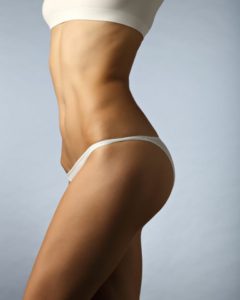
 Dreaming of a flatter, firmer midsection by summer? If you’re considering a tummy tuck (abdominoplasty) to reshape your waistline and feel more confident in swimsuits or fitted clothing, it’s essential to plan your surgery around the recovery timeline. While the results can be transformative, a tummy tuck is a major surgery—and your body will need time to heal, recover, and reveal its full results.
So, how long does it take to recover from a tummy tuck? And when should you schedule your procedure if you want to look and feel your best by summer? In this blog, we’ll walk you through the typical tummy tuck recovery timeline, what to expect each week, and tips for getting bikini-ready before the warm weather hits. Board-certified plastic surgeon Dr. David Kim performs tummy tuck for patients in Beverly Hills, Los Angeles, CA, and surrounding locations.
What Does a Tummy Tuck Involve?
A tummy tuck is a cosmetic surgical procedure that removes excess skin and fat from the abdomen and tightens the underlying abdominal muscles. It’s often performed after significant weight loss, pregnancy, or aging-related skin laxity. There are different types of tummy tucks—full, mini, and extended—but all require a recovery period and post-surgical care.
How Long Is Tummy Tuck Recovery?
Most patients need 6 to 8 weeks for initial tummy tuck recovery, though final results may take several months to fully develop. Here’s a general timeline of what to expect:
Week 1: Rest and Limited Movement
You’ll be sore, swollen, and likely walking hunched over to reduce tension on your incision. You’ll need help with daily activities, and it’s important to follow your surgeon’s post-op instructions closely.
Weeks 2–3: Gentle Activity Resumes
You may start walking more comfortably and resume light household activities. Most patients can return to desk jobs within 10–14 days, but driving, lifting, and exercise are still restricted.
Weeks 4–6: Swelling Improves, Energy Increases
You’ll begin to feel more like yourself, with reduced bruising and swelling. You may be cleared to resume light exercise or return to non-strenuous work.
Weeks 6–8: Results Begin to Take Shape
Compression garments may still be worn, but you’ll likely feel comfortable in regular clothes. You’ll start to see your new shape emerge, and scars begin to fade. Many patients return to full physical activity around this time.
3+ Months: Final Results
By 12 weeks, most swelling is gone, and your body has settled into its new contours. Your scar will continue to fade over the next 6–12 months.
When Should You Schedule Your Tummy Tuck to Be Ready for Summer?
To feel confident and fully recovered by June or July, here’s a rough planning guide:
-
Surgery in January or February: Ideal timing for full recovery and optimal results by summer. You’ll have plenty of time for swelling to subside, scars to begin fading, and confidence to build.
-
Surgery in March: Still a good option—expect to be healed and active by late May or early June, though final results may continue to improve throughout the summer.
-
Surgery in April or May: You’ll look noticeably better by summer, but you may still experience some swelling and activity limitations. Good for events later in the season or gradual transformation.
-
Surgery after June: Likely too late for this summer, but excellent timing if you’re looking ahead to a fall vacation or next year’s beach season.
Why It’s Important to Plan Ahead
Tummy tuck recovery requires rest, patience, and preparation. Trying to rush the healing process can increase risks like:
-
Delayed wound healing
-
Persistent swelling
-
Poor scar formation
-
Increased discomfort or complications
By scheduling your surgery early in the year, you give your body enough time to heal properly—so you can enjoy the season without bandages, compression garments, or self-consciousness.
Tips for a Smooth Recovery Before Summer
-
Wear your compression garment as directed to reduce swelling and support healing.
-
Follow your surgeon’s activity guidelines—no heavy lifting or intense workouts until cleared.
-
Stay hydrated and eat a protein-rich diet to support tissue repair.
-
Avoid smoking, which can impair healing and increase complications.
-
Be patient with your body—final results take time, and slow, steady recovery leads to the best outcome.
What If You Need a Tummy Tuck + Liposuction?
Combining liposuction with your tummy tuck is a popular way to enhance results by sculpting the waist, flanks, and upper abdomen. However, it may add slightly more swelling and increase initial downtime. If you plan to combine procedures, earlier surgery is best to give your body ample time to recover before summer.
Am I a Good Candidate for a Tummy Tuck?
You may be a candidate if you:
-
Have loose or excess abdominal skin
-
Have separated abdominal muscles (diastasis recti)
-
Are at a stable, healthy weight
-
Are not planning future pregnancies
-
Are in good overall health and want to improve your contour and confidence
Your surgeon will evaluate your anatomy and goals during consultation and recommend the best timeline and surgical approach to meet your needs.
Timing Is Everything
A tummy tuck can deliver dramatic, life-changing results—but it’s not an overnight transformation. If you want to feel confident in your skin and wardrobe by summer, the time to plan is now. By understanding the recovery timeline and working with a qualified, board-certified plastic surgeon, you can achieve beautiful, natural-looking results—and be fully healed and ready to show them off when warm weather arrives.
Ready for a Flatter Stomach by Summer?
Schedule a consultation today to discuss your tummy tuck options and create a personalized surgical plan and recovery timeline. With the right preparation, this summer can be your most confident one yet.
Schedule a Consultation with Beverly Hills California Plastic Surgeon Dr. Kim
For more information on the surgical and non-surgical procedures and treatments by Cosmetic Plastic Surgeons Dr. David Kim and Dr. Eugene Kim. Click here to contact us today.
Also visit drdavidkim.com
Serving Beverly Hills, Los Angeles, West Hollywood, Orange County, Southern California and surrounding areas.
 When it comes to achieving a flat, contoured abdomen, a tummy tuck and liposuction are often the perfect pair. While a tummy tuck removes loose skin and tightens muscles, liposuction targets stubborn fat deposits for a more sculpted look. Board-certified plastic surgeon Dr. David Kim performs breast augmentation for patients in Beverly Hills, Los Angeles, CA, and surrounding locations.
Why Combine the Two?
On their own, each procedure offers specific benefits:
– Tummy tuck: Removes excess skin and repairs abdominal muscles
– Liposuction: Removes localized fat from areas like the flanks or upper abdomen
Together, they provide comprehensive reshaping of the midsection and surrounding areas.
Enhanced Body Contour
Combining liposuction with a tummy tuck allows your surgeon to:
– Sculpt the waistline for an hourglass figure
– Smooth out bulges around the hips and back
– Ensure a natural transition between the abdomen and flanks
This synergy produces more balanced, harmonious results.
Single Surgery, One Recovery
Rather than undergoing two separate surgeries:
– You only go under anesthesia once
– There’s a single recovery period
– You save time and cost
This makes combination surgery more efficient and convenient for many patients.
Are You a Good Candidate?
Ideal candidates are:
– In good overall health
– At or near a stable weight
– Non-smokers with realistic expectations
Your surgeon will evaluate your skin elasticity, fat distribution, and muscle condition to determine if this combination is right for you.
Liposuction and tummy tuck work exceptionally well together to reshape the entire abdominal area. If you’re seeking a more comprehensive body contouring solution, discuss the option of combining these two procedures during your consultation.
Schedule a Consultation with Beverly Hills California Plastic Surgeon Dr. Kim
For more information on the surgical and non-surgical procedures and treatments by Cosmetic Plastic Surgeons Dr. David Kim and Dr. Eugene Kim. Click here to contact us today.
Also visit drdavidkim.com
Serving Beverly Hills, Los Angeles, West Hollywood, Orange County, Southern California and surrounding areas.
 A tummy tuck with muscle repair, or abdominoplasty, is a surgical procedure designed to improve the look and feel of the abdominal area. This operation is particularly helpful for individuals dealing with excess skin and weakened abdominal muscles due to factors like major weight loss or pregnancy. By removing the extra skin and fat and tightening the underlying muscles, the procedure can provide a smoother and more toned midsection.
One of the key benefits of this surgery is its ability to target issues that cannot be addressed through diet and exercise alone. For many, loose skin and weakened muscles can persist despite maintaining a healthy lifestyle. This procedure offers a solution by not only removing unwanted skin and fat but also repairing and strengthening the muscles underneath.
The process begins with a consultation where a surgeon evaluates your specific needs and discusses your goals. During the surgery, the surgeon makes an incision across the lower abdomen to remove excess skin and fat. The abdominal muscles are then tightened, which helps to create a firmer and more defined profile. This comprehensive approach ensures that both the surface and underlying structures of the abdomen are addressed.
It’s essential to understand that a tummy tuck with muscle repair is more than just a skin-deep procedure. The tightening of the abdominal muscles can lead to improved core strength and stability, which can positively impact posture and reduce some types of back pain. Additionally, the removal of excess skin can help prevent skin issues such as rashes and infections that often occur in skin folds.
Patients considering this procedure should be in good overall health and have realistic expectations about the results. While the immediate visual improvements are often significant, the full benefits of muscle repair and skin removal contribute to a long-lasting enhancement of both appearance and physical comfort. Board-certified plastic surgeon Dr. David Kim performs tummy tuck for patients in Beverly Hills, Los Angeles, CA, and surrounding locations.
Who Needs Tummy Tuck with Muscle Repair?
Many individuals consider a tummy tuck with muscle repair for various reasons. Post-pregnancy women often seek this procedure to address changes in their bodies, such as stretched skin and separated abdominal muscles, also known as diastasis recti. People who have undergone significant weight loss may find that despite losing weight, they still have loose skin and weak muscles that diet and exercise can’t fix. Additionally, aging can lead to a loss of skin elasticity, prompting some to consider this surgery for a more youthful appearance.
Ideal candidates for a tummy tuck with muscle repair are those who are in good overall health, have stable body weight, and possess realistic expectations about the surgery’s outcomes. It’s important that individuals do not smoke or are willing to quit for a period before and after the procedure to ensure proper healing. Consulting with a qualified plastic surgeon can help determine if this surgery aligns with your personal goals and needs.
Procedure Details
The tummy tuck with muscle repair procedure is a meticulously planned operation that involves several essential steps. First, the surgeon creates an incision across the lower abdomen, usually extending from hip to hip. This incision is carefully positioned to be easily concealed by underwear or swimwear, ensuring minimal visible scarring.
Through the incision, the surgeon begins by removing excess skin and fat from the abdominal area. This helps to flatten and smooth the surface. The next critical step involves tightening the abdominal muscles. Over time, factors such as pregnancy or significant weight loss can cause these muscles to weaken and separate. The surgeon stitches the muscles together, restoring firmness and creating a more toned and defined abdomen.
Another important aspect of the procedure is the repositioning of the belly button. As the skin is tightened and excess tissue is removed, the belly button may need to be adjusted to ensure a natural appearance. The surgeon skillfully relocates the belly button to maintain a balanced and aesthetically pleasing look.
Throughout the surgery, the surgeon uses their expertise to sculpt the abdominal area, aiming for a natural and harmonious contour. This process requires precision and an understanding of the patient’s unique anatomy and desired outcomes. Once the necessary adjustments are made, the incision is closed with sutures, and dressings are applied to protect the area during the initial healing phase.
To further support the healing process, drainage tubes may be temporarily placed under the skin to prevent fluid buildup. These tubes are typically removed within a few days post-surgery, depending on the patient’s recovery progress.
Following the procedure, patients are usually monitored for a short period before being allowed to return home the same day or the next. It’s vital to arrange for someone to drive you home and provide assistance during the initial recovery period.
Proper aftercare is crucial for optimal results. The surgeon provides detailed instructions on wound care, activity restrictions, and signs to watch for that might indicate complications. Regular follow-up appointments allow the surgeon to monitor the healing process and address any concerns promptly.
The comprehensive nature of this procedure addresses both surface-level issues and deeper muscular concerns, contributing to a more toned and aesthetically pleasing abdominal profile.
Recovery Process
Recovery from a tummy tuck with muscle repair requires careful attention to your body’s needs and following the surgeon’s post-operative guidelines. In the initial days following the surgery, it’s common to experience swelling, bruising, and some discomfort. These symptoms can be effectively managed with prescribed pain medications, and it’s crucial to follow the dosing schedule provided by your healthcare team.
Rest is vital during the early stages of recovery. However, it’s equally important to incorporate light activities, such as short walks around your home. Gentle movement helps promote blood circulation, which is essential for preventing complications like blood clots. Most patients are advised to avoid strenuous activities and heavy lifting for several weeks to allow the body to heal properly.
To support the healing process, you may be instructed to wear a compression garment. This garment helps reduce swelling, supports the abdominal area, and aids in maintaining the new contours achieved by the surgery. It’s important to wear it as directed by your surgeon for the best possible outcome.
Keeping the incision site clean and dry is another key aspect of recovery. Your surgeon will provide detailed instructions on how to care for your wounds, including how to change dressings and what signs of infection to watch for. It’s essential to follow these instructions closely to minimize the risk of complications and ensure proper healing.
Nutrition also plays a significant role in your recovery. Eating a balanced diet rich in vitamins and minerals can support the body’s healing processes. Staying hydrated is equally important, so make sure to drink plenty of water throughout the day.
Follow-up appointments with your surgeon are crucial. These visits allow the surgeon to monitor your healing progress, remove any drainage tubes if necessary, and address any concerns you may have. Be sure to attend all scheduled appointments and communicate openly with your healthcare team.
Every individual’s recovery timeline is unique, so it’s important to listen to your body and not rush the process. Give yourself the time you need to heal fully and follow your surgeon’s advice to achieve the best possible results.
Schedule a Consultation with Beverly Hills California Plastic Surgeon Dr. Kim
For more information on the surgical and non-surgical procedures and treatments by Cosmetic Plastic Surgeons Dr. David Kim and Dr. Eugene Kim. Click here to contact us today.
Also visit drdavidkim.com
Serving Beverly Hills, Los Angeles, West Hollywood, Orange County, Southern California and surrounding areas.
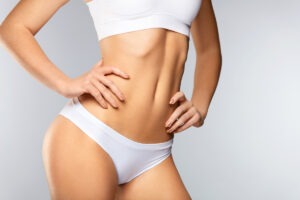 Stretch marks, those silvery lines that often appear after significant weight changes, pregnancy, or growth spurts, can be a source of insecurity for many. One of the questions that often arises in the realm of cosmetic procedures is whether a tummy tuck can effectively eliminate these marks. As a popular surgical option for those looking to achieve a flatter and more toned abdomen, the tummy tuck, or abdominoplasty, has various benefits. But can it truly rid the skin of stretch marks? This blog post will delve into this topic, exploring the capabilities and limitations of a tummy tuck when it comes to addressing stretch marks. Board-certified plastic surgeon Dr. David Kim performs tummy tuck for patients in Beverly Hills, Los Angeles, CA, and surrounding locations.
Understanding What a Tummy Tuck Involves
A tummy tuck is a surgical procedure aimed at removing excess skin and fat from the abdominal area while also restoring weakened or separated muscles. This process results in a smoother and firmer abdominal profile. Typically, the procedure involves making a horizontal incision from hip to hip, just above the pubic area. Through this incision, the surgeon can access the underlying muscle structure, which may have become weakened or separated due to factors like pregnancy or significant weight fluctuations.
Once the muscles are repaired, the surgeon removes the excess skin and fat. Often, the belly button is repositioned to align with the new contours of the abdomen. It’s important to note that a tummy tuck is not designed for weight loss but rather for contouring and improving the overall appearance of the midsection.
One of the ancillary benefits of a tummy tuck is its potential to remove stretch marks, particularly those located below the belly button. Since this skin is typically excised during the procedure, any stretch marks in this area are also removed. However, stretch marks located above the belly button or in other areas of the body will not be affected by the surgery. Additionally, the skin tightening effect of a tummy tuck may help to reposition stretch marks, making them less noticeable, although this is not guaranteed.
Understanding the specifics of what a tummy tuck involves can help set realistic expectations and assist in determining whether this procedure aligns with your aesthetic goals.
The Causes of Stretch Marks
Stretch marks, or striae, form when the skin undergoes rapid stretching, leading to tears in the dermis, the middle layer of the skin. These tears manifest as visible lines that initially appear red or purple but may fade to silvery white over time. Several factors contribute to the development of stretch marks, with genetics playing a significant role. If your family members have stretch marks, you’re more likely to develop them as well.
Hormonal changes are another major factor. During pregnancy, for example, the body produces hormones that soften the skin’s fibers, making it more prone to stretching. This, combined with the expanding abdomen, often results in stretch marks. Adolescents are also susceptible as their bodies grow rapidly during puberty.
Weight fluctuations are another common cause. Rapid weight gain stretches the skin, and the dermis can tear if it cannot accommodate the added volume quickly enough. Conversely, rapid weight loss can also result in stretch marks as the skin may not contract smoothly.
Certain medical conditions and medications can weaken the skin, making it more susceptible to stretch marks. Conditions like Cushing’s syndrome and prolonged use of corticosteroids can decrease skin elasticity and strength.
Regardless of their cause, stretch marks are essentially a type of scar tissue that forms when the skin cannot keep up with the demands placed on it. Understanding the underlying factors that contribute to stretch marks can help in exploring various treatment options and setting realistic expectations for their management.
Can a Tummy Tuck Remove Stretch Marks?
While a tummy tuck can target stretch marks, its effectiveness is limited to specific areas. The primary aim of this procedure is to tighten and flatten the abdomen, but an ancillary benefit is the removal of some stretch marks. Excess skin excised during the surgery typically includes skin below the belly button, where stretch marks are often prevalent. This means stretch marks in this region are likely to be removed.
However, stretch marks above the belly button present a different challenge. These may not be fully eliminated but can be repositioned lower on the abdomen. This repositioning can sometimes make them less noticeable due to the skin tightening effect, though this outcome is not guaranteed.
Several factors influence how well a tummy tuck can address stretch marks. The location of the stretch marks is crucial, with those on the skin that will be removed having a higher likelihood of being eliminated. Skin quality also plays a role; skin with good elasticity responds better to the procedure, yielding a smoother appearance.
It’s essential to understand that while a tummy tuck can improve the appearance of the abdominal area and may reduce the visibility of some stretch marks, it is not a foolproof solution for all stretch marks. The skill and technique of the surgeon, along with the patient’s skin condition and adherence to post-operative care, will significantly impact the final results. Therefore, setting realistic expectations and having a thorough consultation with a qualified plastic surgeon are vital steps in achieving the desired outcome.
Factors That Influence Results
Several variables can impact the effectiveness of a tummy tuck in addressing stretch marks. First, the quality of the skin is crucial. Skin that maintains good elasticity and firmness is more likely to achieve better results from the procedure. Next, the specific location of the stretch marks plays a significant role. Stretch marks found on the skin that will be removed during the tummy tuck have a higher likelihood of being eliminated, whereas those above the belly button may only be repositioned rather than removed.
The extent of skin removal is another factor that can influence the outcome. A more extensive removal may yield more dramatic results, including the reduction of stretch marks. Additionally, the surgeon’s skill and technique are paramount. An experienced and qualified plastic surgeon can tailor the procedure to maximize the benefits while minimizing potential complications.
Patient-related factors such as overall health and lifestyle can also affect the results. Factors like smoking, poor diet, and lack of exercise can impair healing and skin quality, potentially compromising the final outcome. Adherence to post-operative care instructions, such as avoiding strenuous activities and following a recommended skincare regimen, is vital for optimal results.
Ultimately, setting realistic expectations and understanding the limitations of a tummy tuck in addressing stretch marks are essential for a satisfying outcome.
Alternatives to Tummy Tucks for Stretch Marks
For those who prefer non-surgical methods to address stretch marks, several alternatives might be worth considering. Laser therapy is a popular option, known for its ability to stimulate collagen production and encourage skin regeneration. By targeting the deeper layers of the skin, lasers can help reduce the visibility of stretch marks over time.
Microneedling is another effective treatment. This procedure uses fine needles to create tiny punctures in the skin, triggering the body’s natural healing processes. As the skin repairs itself, the texture and color of stretch marks can improve significantly.
Topical treatments, such as retinoid creams, also offer potential benefits. These creams promote cell turnover and collagen production, which can help diminish the appearance of stretch marks. While the results may not be as dramatic as surgical options, they can be quite effective when used consistently over time.
Chemical peels are another non-invasive option that can help improve the skin’s appearance. By removing the outer layer of dead skin cells, chemical peels can make stretch marks less noticeable and improve skin texture.
Radiofrequency treatments, which use energy to heat the skin and stimulate collagen production, are also gaining popularity. These treatments can help tighten the skin and reduce the appearance of stretch marks without the need for incisions or downtime.
Each of these alternatives comes with its own set of benefits and limitations, and the best choice will depend on individual circumstances, including the severity and location of the stretch marks, as well as personal preferences.
Consulting with a Plastic Surgeon
Consulting with a plastic surgeon is a vital step in determining if a tummy tuck is the right solution for your stretch marks. During the consultation, the surgeon will assess your abdominal area, skin quality, and the location of your stretch marks to provide a personalized evaluation. They will discuss the potential benefits and limitations of the procedure, giving you a clear understanding of what to expect. The surgeon may also suggest alternative treatments that could be more suitable for your specific situation.
It’s essential to ask questions and voice any concerns you may have. This will help you gain a comprehensive understanding of the procedure and its outcomes. Additionally, reviewing before-and-after photos of previous patients can offer valuable insights into the surgeon’s skill and the results you might achieve.
By having an open and thorough discussion with your plastic surgeon, you can make a well-informed decision that aligns with your aesthetic goals and medical needs.
Schedule a Consultation with Beverly Hills California Plastic Surgeon Dr. Kim
For more information on the surgical and non-surgical procedures and treatments by Cosmetic Plastic Surgeons Dr. David Kim and Dr. Eugene Kim. Click here to contact us today.
Also visit drdavidkim.com
Serving Beverly Hills, Los Angeles, West Hollywood, Orange County, Southern California and surrounding areas.
 If you’re considering undergoing a tummy tuck procedure, one of the common concerns that may come to mind is the potential scarring that could result from the surgery. While a tummy tuck can provide significant improvements to the appearance of the abdomen, it’s important to understand how scarring may occur and what can be done to minimize its visibility. In this blog post, we will delve into the factors that influence scarring after a tummy tuck, the typical appearance and location of tummy tuck scars, and how pre and post-operative care can help in minimizing scarring. Board-certified plastic surgeon Dr. David Kim provides tummy tucks to patients in Beverly Hills, Los Angeles, CA, and surrounding locations.
What Causes Scarring After a Tummy Tuck?
Scarring is an inherent aspect of the healing process following any surgical intervention, including tummy tuck procedures. An abdominoplasty, by its very nature, necessitates the making of incisions in the abdominal region to remove excess skin and fat, aiming to achieve a smoother and firmer abdominal profile. The body’s response to these incisions is to initiate the natural healing process, which invariably leads to the formation of scars.
The extent and characteristics of scarring from a tummy tuck are influenced by a myriad of factors unique to each individual. The healing capabilities of one’s skin play a crucial role in determining the final appearance of scars. Notably, factors such as skin elasticity, the body’s response to healing, and the overall health of the skin can significantly affect the outcome.
Genetic predisposition is another critical aspect influencing scarring. Some individuals are more prone to develop keloids or hypertrophic scars, which are thicker and more raised than typical scars. This genetic variability means that two people undergoing the same procedure, by the same surgeon, can have vastly different scarring outcomes.
The technique employed by the surgeon during the tummy tuck also has a substantial impact on scarring. Precise surgical techniques can minimize tissue trauma and result in less noticeable scarring. Surgeons with extensive experience in abdominoplasty are often adept at positioning incisions strategically, in locations that are less visible and where scars can be more easily concealed by clothing.
The overall health and lifestyle of the individual undergoing a tummy tuck also play a significant role in scarring. Smokers, for instance, may find that their healing process is slower and their risk of more noticeable scarring is higher compared to non-smokers. Similarly, individuals with certain medical conditions or those who do not follow post-operative care instructions may experience less optimal healing outcomes.
In summary, while scarring is an unavoidable outcome of a tummy tuck, its severity and visibility are contingent upon a combination of surgical technique, individual healing characteristics, genetic factors, and post-operative care. Understanding these variables helps in managing expectations and preparing for the recovery process following an abdominoplasty.
Typical Appearance and Location of Tummy Tuck Scars
The scars resulting from a tummy tuck procedure are largely influenced by the type of abdominoplasty performed and the techniques employed by the surgeon. In cases of a full tummy tuck, the incision typically extends from one hip to the other, positioned above the pubic area. This strategic placement allows the resultant scar to be conveniently concealed beneath most underwear and bikini lines. Conversely, a mini tummy tuck, targeting primarily the lower abdomen, necessitates a smaller incision, leading to a correspondingly smaller scar.
Initially, tummy tuck scars tend to present as pink or red lines that may feel slightly raised or bumpy to the touch. During these early stages of healing, it is not uncommon for scars to appear more pronounced. However, as the healing process progresses, these characteristics gradually diminish. The scars start to flatten and the color fades to a pale hue that, while potentially never disappearing entirely, becomes significantly less noticeable.
The evolution of a tummy tuck scar over time is a highly individualized process, with the final appearance being influenced by several factors. This includes the body’s unique healing response, the quality of care before and after the procedure, and the skin’s general health and condition. It is also influenced by the surgical technique used; experienced surgeons are adept at making precise incisions that not only limit tissue damage but also promote a more aesthetically pleasing healing process.
It’s essential for individuals considering a tummy tuck to have realistic expectations regarding scarring. While the strategic placement of incisions and advancements in surgical techniques contribute to less conspicuous scars, the presence of a scar is inevitable. The degree to which it is noticeable varies from person to person, with some experiencing scars that blend seamlessly with their skin tone over time, and others having scars that remain somewhat visible.
Understanding the typical appearance and location of tummy tuck scars is crucial in setting realistic expectations for the outcome of the procedure. Though the journey of scar maturation may require patience, the improvement in the abdominal area’s appearance and the boost in self-confidence many achieve post-recovery often outweigh concerns about scarring for many individuals.
Factors Influencing the Severity of Tummy Tuck Scars
The variability in tummy tuck scar appearances stems from a complex interplay of several key factors that can significantly influence their severity. Among these, genetic makeup stands out as a fundamental determinant. It is well-documented that some individuals have a genetic inclination toward the formation of keloids or hypertrophic scars, which are characteristically thicker, more prominent, and potentially more challenging to treat. These genetic predispositions underscore the personalized nature of scar healing and appearance following an abdominoplasty.
Equally crucial is the role of skin type in the scarring process. Individuals with darker skin tones may experience hyperpigmentation around the scar area, resulting in scars that appear darker than the surrounding tissue. This contrast can make the scars more noticeable, although this varies significantly from person to person. Conversely, those with lighter skin tones might observe their scars becoming less discernible over time as they may blend more seamlessly with their natural skin color once fully healed.
The expertise and techniques employed by the plastic surgeon conducting the tummy tuck are pivotal in influencing scar severity. Surgeons who incorporate advanced, precise surgical methods can substantially mitigate the extent of scarring. The use of meticulous suturing techniques that ensure the wound edges are aligned properly can lead to thinner, less noticeable scars. Additionally, the placement of incisions in less visible areas or along natural skin folds can further aid in reducing the apparent severity of scarring, making it more manageable for patients in terms of cosmetic outcomes.
Lifestyle factors and overall health status also have a pronounced impact on the healing process and, consequently, on the formation and severity of scars. Smoking, for example, is known to impair wound healing and can exacerbate the visibility of scars. Similarly, nutritional status, hydration levels, and adherence to post-operative care instructions play integral roles in how well and how quickly the body recovers from the procedure, directly affecting the appearance of scars.
Understanding these factors is essential for setting realistic expectations and for taking proactive steps to optimize healing. While the presence of scars post-tummy tuck is inevitable, awareness of how genetics, skin type, surgical technique, and lifestyle choices contribute to their development allows individuals to better navigate their post-operative journey.
Minimizing Tummy Tuck Scarring: Pre and Post-Operative Care
To effectively reduce the visibility of scarring following a tummy tuck, engaging in proactive measures before and after the procedure is crucial. Adhering closely to your surgeon’s instructions can significantly influence the healing process and the eventual appearance of scars. Prior to the operation, it is advisable to prepare your body by quitting smoking, as nicotine can severely impair wound healing and increase the risk of conspicuous scarring. Ensuring a well-balanced diet rich in vitamins and minerals can also enhance your body’s ability to heal.
Directly following the procedure, it’s imperative to maintain the cleanliness and dryness of the incision sites to prevent infection, which could worsen scarring. Your surgeon may recommend wearing compression garments, which not only support the healing tissues but also can play a role in scar appearance by reducing swelling and tension on the wounds.
Attention should also be given to the guidance on physical activities. Excessive or abrupt movements can stress the incision lines, potentially leading to wider or more visible scars. Engaging in gentle movements as advised helps in promoting circulation and healing while preventing undue stress on the healing tissues.
The application of scar management therapies plays a vital role in the post-operative phase. Silicone-based products, such as sheets or gels, have been shown to be effective in managing scar appearance. These products work by hydrating the scar tissue, which can help in reducing scar thickness and encouraging a softer, more natural texture.
Additionally, protecting scars from sun exposure is paramount. UV radiation can darken scars, making them more noticeable against surrounding skin. Using a high-SPF sunscreen on the scarred areas, once they are sufficiently healed, can prevent this pigmentation and help in maintaining a more uniform skin tone.
By adopting these comprehensive care strategies, you can actively participate in improving the healing process and minimizing the visibility of scars. It’s important to remember that healing is a gradual journey, with scars typically becoming less noticeable over time as they mature and fade. Open communication with your surgeon about any concerns or questions regarding scar care can further ensure a smoother recovery and more satisfactory results.
Schedule a Consultation with Beverly Hills California Plastic Surgeon Dr. Kim
For more information on the surgical and non-surgical procedures and treatments by Cosmetic Plastic Surgeons Dr. David Kim and Dr. Eugene Kim. Click here to contact us today.
Also visit drdavidkim.com
Serving Beverly Hills, Los Angeles, West Hollywood, Orange County, Southern California and surrounding areas.
 Are you tired of struggling to achieve a flat stomach despite your best efforts with diet and exercise? If so, a tummy tuck might be the solution you’ve been looking for. This popular plastic surgery procedure can help restore your abdominal contours and give you the toned midsection you desire. In this blog post, we will explore the ins and outs of tummy tuck surgery, including its benefits, the procedure itself, and what to expect during the recovery process. Board-certified plastic surgeon Dr. David Kim provides tummy tuck surgery to patients in Beverly Hills, Los Angeles, CA, and surrounding locations.
Understanding Tummy Tuck Surgery
A tummy tuck, formally known as abdominoplasty, targets the removal of surplus skin and fat from the midsection, while concurrently tightening the muscles beneath. This surgical approach aims to craft a firmer, smoother abdominal profile and a more sculpted waistline. The procedure is frequently the choice for individuals who have undergone major weight loss, childbirth, or those who face persistent belly fat that resists diet and exercise efforts. By addressing the laxity of abdominal muscles and the redundancy of skin that often follows pregnancy or significant weight shifts, a tummy tuck can effectively rectify diastasis recti— a common condition where abdominal muscles separate and fail to realign post-pregnancy or significant weight loss. Moreover, by removing excess skin, the surgery not only enhances the visual aesthetics of the abdomen but can also eliminate some skin-related issues, such as rashes or infections that occur under skin folds. Tailored to meet the unique needs of each patient, the procedure can range from a mini tummy tuck—focusing on the area below the belly button—to a more comprehensive full tummy tuck, which addresses the entire abdominal area. The choice of procedure depends on the amount of correction required to achieve the desired outcome, making a detailed consultation with a qualified plastic surgeon a crucial step in the process.
The Benefits of Undergoing a Tummy Tuck
Embarking on a tummy tuck journey can be a transformative experience that goes beyond physical appearance, offering a cascade of benefits that enrich overall well-being. This procedure can dramatically enhance the visual appeal of your midsection by removing excess skin and fat, leading to a more defined and aesthetically pleasing abdominal contour. Such changes often culminate in a profound increase in self-assurance and body image, enabling individuals to wear clothing they previously avoided and engage in social activities with renewed vigor and confidence.
Beyond aesthetic enhancement, a tummy tuck can offer functional benefits. By tightening the abdominal muscles, patients may notice an improvement in core stability and posture. This structural enhancement can have a ripple effect, potentially alleviating back pain and discomfort caused by weakened abdominal muscles. Furthermore, the removal of excess skin can reduce the risk of skin infections and irritations that occur in skin folds, thereby promoting a healthier and more comfortable lifestyle.
Patients who choose to undergo a tummy tuck also report a psychological uplift, driven by the satisfaction of aligning their physical appearance with their internal perception of themselves. This alignment can lead to increased motivation to maintain a healthy lifestyle through diet and exercise, preserving the results of the procedure and contributing to overall physical health.
In essence, a tummy tuck is not just a cosmetic procedure but a stepping stone toward a more fulfilling and active life, empowering individuals to live without the physical and emotional burdens of an unsatisfactory abdominal profile.
Preparing for Your Tummy Tuck Procedure
Embarking on the journey toward a tummy tuck starts with a comprehensive preparation phase, an essential step to ensure the best possible outcomes from your surgery. The initial move is setting up a consultation with a board-certified plastic surgeon who specializes in abdominoplasty. During this meeting, openly discuss your aesthetic goals, and don’t hesitate to ask questions about the surgeon’s experience and the specifics of the procedure. It’s vital to have a clear understanding of what the surgery entails and how it aligns with your expectations.
An in-depth review of your medical history and a thorough physical examination will be conducted to assess your eligibility for the procedure. This evaluation aims to identify any potential risks and to tailor the surgical plan to your individual needs. Your surgeon might request that you undergo certain lab tests or provide medical clearance from your general physician, especially if you have pre-existing health conditions.
Preparing your body for surgery is another crucial step. You may be advised to reach a stable weight, as significant fluctuations post-surgery could affect the results. Smokers will be instructed to quit well in advance of the procedure, as smoking can hinder the healing process. Additionally, you may need to adjust, cease, or avoid specific medications and supplements that could increase bleeding risk.
Leading up to your tummy tuck, it’s important to arrange for support during your recovery period. Organize help with household duties and childcare, if applicable, and prepare a comfortable recovery space within your home. Ensuring you have everything you need within reach can significantly smooth the recovery process, allowing you to focus on healing and enjoying the transformative journey you’ve embarked on.
The Tummy Tuck Procedure Explained
The process of undergoing a tummy tuck, or abdominoplasty, begins with the surgical team preparing the patient, ensuring their comfort and safety throughout the operation. Under general anesthesia, the surgeon will make a horizontal incision just above the pubic hairline, the length and shape of which are determined by the amount of excess skin to be removed and previously discussed surgical plans. Through this incision, the surgeon will then excise redundant skin and fat, and may perform liposuction to further refine the area’s contour.
A critical aspect of the procedure involves the tightening of the abdominal muscles. The surgeon sutures these muscles, which may have become stretched out or separated, a condition known as diastasis recti, thereby restoring a firmer abdominal wall and narrowing the waistline.
After the muscles are tightened, the skin is pulled down, and any excess is trimmed away. The navel is often repositioned to align with the newly shaped abdomen. The incisions are then closed with sutures, and in some cases, drains are placed to collect any excess fluid and reduce swelling during the initial recovery phase. The surgical team then applies dressings or bandages, and the patient is fitted with a compression garment to support the healing abdomen, minimize swelling, and keep the skin firmly in place as it adjusts to the new contours of the body.
This carefully orchestrated procedure, tailored to each patient’s specific needs and goals, results in a flatter, more toned abdominal region that better reflects the patient’s desired body shape.
Recovery and Aftercare Following a Tummy Tuck
In the days and weeks after a tummy tuck procedure, patients embark on a recovery journey characterized by rest and gradual re-engagement with daily activities. Immediate post-surgery, experiencing some level of discomfort, swelling, and bruising is common. To manage these symptoms, it’s essential to adhere strictly to the post-operative care plan provided by your surgeon. This may include taking prescribed pain medication, wearing a compression garment to support your abdomen, and following specific guidelines for resting and mobilizing.
Patients are generally advised to avoid strenuous activities and heavy lifting for several weeks to allow the body sufficient time to heal properly. During this period, keeping hydrated, maintaining a balanced diet rich in nutrients that promote healing, and walking lightly to reduce the risk of blood clots are beneficial practices.
Monitoring the surgical site for signs of infection and attending scheduled follow-up visits with your surgeon is crucial for a smooth recovery. These appointments allow your healthcare provider to assess your healing progress and address any concerns that may arise.
Following the outlined aftercare instructions can significantly influence the recovery process, aiding in reducing potential complications and ensuring optimal healing. It’s important to remember that each individual’s recovery timeline may vary, and patience and self-care are key components to navigating this phase successfully.
Frequently Asked Questions About Tummy Tuck Surgery
Q: Can a tummy tuck contribute to weight loss?
A: A tummy tuck is primarily designed to remove excess skin and fat and to tighten abdominal muscles, resulting in a more sculpted midsection. It should not be considered a weight-loss method. Ideal candidates are those who are already close to their target weight but want to refine their abdominal area’s appearance.
Q: What are some potential complications of tummy tuck surgery?
A: While tummy tuck surgery is generally safe, it carries potential risks like any surgical procedure. These can include bleeding, infection, poor wound healing, and reactions to anesthesia. A thorough pre-surgical evaluation and following your surgeon’s post-operative care instructions can help mitigate these risks.
Q: How enduring are the effects of a tummy tuck?
A: The enhancements achieved through tummy tuck surgery can be significantly enduring, provided you adhere to a healthy lifestyle that includes regular exercise and a balanced diet. Changes in your body due to future weight fluctuations, aging, or pregnancy may alter the initial results, so maintaining a stable weight is key for long-term satisfaction.
Schedule a Consultation with Beverly Hills California Plastic Surgeon Dr. Kim
For more information on the surgical and non-surgical procedures and treatments by Cosmetic Plastic Surgeons Dr. David Kim and Dr. Eugene Kim. Click here to contact us today.
Also visit drdavidkim.com
Serving Beverly Hills, Los Angeles, West Hollywood, Orange County, Southern California and surrounding areas.
 You’re closer to your ideal weight after practicing healthy eating and exercise habits, but you’re still unhappy with the appearance of your abdomen. You might be frustrated that your belly is still flabbier than you’d like it to be, that it retains a bulge you can’t flatten, or that loose, sagging skin makes you embarrassed to show your midriff. You’re considering treatment to take you that last step to a firm, flat, trim midsection, but you’re not sure which to choose.
In this article, we’ll explain your treatment options and help guide you to the best choice, based on your goals.
It’s Your Body, Your Priorities, and Your Choice
Every body is different and responds in different ways to aging, weight changes, and pregnancy. And every individual has different priorities in life — not just about how they look, but how much time they can take for treatment and how quickly they’d like to see results. Here are the key factors to consider as you weigh your treatment options:
- Your body. Different cosmetic treatments correct different sets of body problems. If your main problem is with pockets of diet- and exercise-resistant fat and your skin is resilient and your abdominal muscles tight, then less-invasive treatment may be your answer. If your skin and muscles have stretched beyond the point where they are able to spring back, surgery may be a better choice.
- Your schedule. Different treatments have different timelines. Noninvasive treatments take longer to produce results but don’t involve downtime. Surgical procedures produce final results as soon as you heal from the procedure but require downtime for recovery.
- Your goals. Will you be happy with a modest, incremental improvement? Or do you want a more dramatic transformation?
Tummy tuck
A tummy tuck is surgery to tighten loose skin, repair weakened and separated abdominal muscles, and remove excess fat. It’s major surgery, but it’s the most transformative of the procedures to repair a flabby, bulging belly. With a tummy tuck, you’ll get a firm, flat, smooth abdomen and a slimmer waistline. If you have loose, sagging skin on your stomach and your belly bulge is from muscles that no longer hold your midsection flat, a tummy tuck is the only procedure that can restore a youthful appearance.
While a tummy tuck can work wonders to improve your appearance, it does require downtime for recovery. Most patients take at least two weeks off from work, and it can take several more weeks before they feel completely back to normal. For a sense of the results you can expect from a tummy tuck, view our before-and-after photo gallery.
Liposuction
Liposuction is a minimally invasive procedure to remove pockets of excess fat. It’s a body-contouring procedure, not an overall weight-loss treatment, as it targets specific areas of diet- and exercise-resistant fat. In liposuction, a thin tube, or cannula, is inserted through small incisions and used to break up and remove fat deposits. The fat cells removed in liposuction are gone forever and they won’t grow back. If you gain weight after treatment, the remaining fat cells will increase in size, but there are fewer of them in the treated area, so your stomach will remain proportionally slimmer. Liposuction does not work to tighten loose skin or repair weakened abdominal muscles.
Most patients need a few days to a week of downtime after liposuction and may have some short-term swelling and bruising. The slimming effects are visible immediately, and final results appear after about three weeks. You can see examples of these results in our before-and-after photo gallery.
CoolScultping
CoolSculpting is a remarkable new treatment that uses precisely controlled cold temperatures to destroy fat cells where excess fat lingers in pinchable bulges. The technology uses a cooling device that surrounds the area to be treated, chilling the fat to the point where it is damaged, without hurting skin, muscle, and other surrounding tissue. In the weeks following treatment, these damaged fat cells are naturally processed out of the body as waste.
You’ll have no downtime after a CoolSculpting session. You can walk out of treatment and go straight back to work or resume your normal activities. Final results appear about three months after treatment, and it can take more than one session to achieve optimal results.
Learn More About Abdominal Treatments in Beverly Hills
Dr. David Kim and Dr. Eugene Kim at Beverly Hills Plastic Surgery have developed an impeccable reputation for stunning, natural-looking cosmetic treatment and plastic surgery results, attracting patients from all over the world. Contact our practice today at (310) 746-5475 or send an online request to schedule a consultation and a recommendation on the abdominal treatment — or treatments — best suited to your needs. For many patients, a combination of procedures is the ideal solution.

If you’ve committed to losing weight this year, that’s great!
We recommend a slow and steady approach of shifting to healthier foods that you enjoy, in smaller portions, paired with a regular and sustainable routine of increased physical activity. The combination of fewer calories in and more calories burned, accomplished by adopting a set of habits that become second nature to you, can be the key to losing weight and keeping it off. Beyond that, it’s all about what works for you.
But have you thought about what you’ll do after you lose the weight?
Body Contouring
If you’re lucky, your weight will come off in all the right places and you’ll be delighted with your slimmer body contours. But weight loss doesn’t always work that way. Many people are left with stubborn pockets of fat that are resistant to diet and exercise. Those might be around your waist, on your arms or thighs, or under your chin. Wherever the last bulges of fat persist, there are ways to get rid of them without going to extremes in dieting or at the gym.
Once you’re close to your weight goal — within about 10 or 15 pounds of your ideal weight — you might think about a body-contouring procedure to put the finishing touches on your self-improvement efforts. These procedures reduce unwanted pockets of fat on specific areas of your body in ways that eliminate those fat cells forever. They aren’t weight-loss treatments, but they make great complements to weight loss through healthy eating and exercise.
- CoolSculpting eliminates pinchable areas of excess fat by chilling it to low temperatures. The cooling damages the fat cells while the skin, muscle, and connective tissue are unaffected. In the weeks following treatment, the damaged fat cells are naturally processed out of your body for a long-lasting slimming effect.
- Liposuction uses small incisions to extract unwanted bulges of fat through a suction tube, or cannula. Once the excess fat is removed, that part of your body will have fewer fat cells permanently. Liposuction can remove fat from many parts of the body, including the abdomen, hips, thighs, upper arms, and chin.
- A tummy tuck goes even further in flattening and toning your midsection. The surgery removes excess skin that may sag and droop after weight loss. The procedure can also tighten and reconnect abdominal muscles to restore a firm, flat belly.
Breast Surgery
Weight loss can sometimes affect a woman’s breasts in ways that are less than desirable. Stretched breast skin can sag when the fat is gone, or your breasts can lose more volume than you would prefer.
- A breast lift corrects sagging breasts by removing excess skin and reshaping the breast to a rounder, more uplifted, and younger-looking form.
- Breast augmentation uses implants or fat transfer to increase breast volume, shape, and projection.
Mommy Makeover
A mommy makeover combines procedures—typically a tummy tuck, breast surgery, and liposuction—to restore a more attractive, younger-looking figure. A mommy makeover can provide the finishing transformation after successful weight loss to give you the body you want.
Facial Rejuvenation
As you get your body in beautiful shape, you might consider treatments to make your face look younger, too. You have many options for facial rejuvenation, including:
- Facial fillers to soften lines and wrinkles, add volume to hollowed areas, or plump your lips
- Botox to smooth lines and creases caused by repeated facial expressions
- A facelift to correct loose, saggy skin, eliminate facial wrinkles, get rid of jowls, and restore a well-defined jawline
Learn More About Body Contouring and Other Rejuvenating Treatments in Beverly Hills
Find out more about the possibilities of cosmetic treatment in a personal consultation. Dr. David Kim and Dr. Eugene Kim at Beverly Hills Plastic Surgery have developed an impeccable reputation for stunning, natural-looking cosmetic treatment and plastic surgery results, attracting patients from all over the world. Contact our practice today at (310) 746-5475 or send an online request to schedule an appointment.
 A tummy tuck flattens and firms your abdomen, removing excess skin that has stretched and sagged, and tightening and reconnecting loose and separated abdominal muscles. It’s common to add liposuction to a tummy tuck for an even greater slimming effect. Here’s an explanation of how the two procedures work together and why you might consider combining them.
What’s the Difference Between a Tummy Tuck and Liposuction?
A tummy tuck and liposuction are both body contouring procedures, designed to trim and flatten areas of your body when you are close to your ideal weight. But the two procedures are quite different from each other.
A tummy tuck is a surgical procedure to remove excess skin from the abdomen. It often includes steps to tighten and reconnect the abdominal muscles if they have stretched or separated as a result of pregnancy or significant weight changes. The result is a firmer, flatter belly and a tightening of the waist. A surgeon can also trim excess fat as part of a tummy tuck, but only in the immediate surgical area, which is the center of the abdomen.
Liposuction uses a suction tube, called a cannula, inserted through small incisions, to remove pockets of fat that resist slimming with diet and exercise. It’s possible to use liposuction almost anywhere on the body where unwanted fat accumulates, including the belly, waist, back, thighs, arms, and under the chin. Liposuction does not tighten loose skin or restore firmness to stretched and weakened muscles.
Why You Might Consider Adding Liposuction to a Tummy Tuck
If your problem is with loose skin and weakened abdominal muscles, and you don’t have excess fat on your belly or around your waist, a tummy tuck alone is probably what you need. And if your problem is with stubborn abdominal fat, and your belly skin and muscles are tight and resilient, liposuction alone might be a good solution.
However, if your concerns include loose abdominal skin, a bulging belly from weakened muscles, and excess fat on your belly and around your waist, a combination of the two procedures – called a lipoabdominoplasty – may be your best choice.
Here are some benefits of combining the two procedures.
- One surgery, one recovery: Both procedures involve surgery, and both require downtime for recovery. By combining them, you’ll need to schedule a single surgery, and you’ll only have one recovery period. Recovery from a tummy tuck with liposuction is usually similar to recovery from a tummy tuck alone.
- Cost-effective: It’s less expensive to have a tummy tuck and liposuction as a combined procedure than it is to have them separately. For example, you’ll have a single charge for anesthesia, and there can be other efficiencies in doing both procedures at the same time. Of course, cost shouldn’t be the driving factor in your decision. You should pay more attention to choosing a skilled surgeon with a track record of excellent outcomes. But plastic surgery can be a big investment, and you want to spend your money wisely.
- Better results: Combining a tummy tuck with liposuction can give you better body-contouring results than either procedure on its own. You’ll get the skin-tightening and muscle-toning effects of the tummy tuck, with a flatter, firmer abdomen. And liposuction can trim excess fat from your waist and areas beyond the reach of tummy tuck surgery.
- Contour more than one area: Your surgeon may be able to combine a tummy tuck with liposuction on another part of your body — your thighs or hips, for example — for more comprehensive body contouring.
Learn More About Body Contouring in Beverly Hills
Dr. David Kim and Dr. Eugene Kim at Beverly Hills Plastic Surgery have developed an impeccable reputation for stunning, natural-looking cosmetic treatment and plastic surgery results, attracting patients from all over the world. Contact our practice today at (310) 746-5475 or send an online request to schedule a consultation.

A tummy tuck can work wonders in transforming your midsection. The procedure removes excess skin and fat and tightens your abdominal muscles for a smooth, flat, youthful look. But it’s a major surgical intervention and requires time for recovery. That includes plenty of rest and some special steps for healthy sleep.
Why Elevated Sleep is Important After a Tummy Tuck
As with any plastic surgery procedure, you will experience some swelling in the treated area in the days after surgery. Sleeping in a gently propped-up position helps drain the area and reduce swelling while your body heals.
With a tummy tuck, there’s an added need to keep the abdomen from stretching during the early stages of healing, which can pull at the incisions. We’ll instruct you to sleep with a slight bend at your hips and your knees as if you are reclining in a beach chair. This position lets the tissue recover and helps minimize discomfort.
How to Sleep Comfortably in a Raised Position
There are two main ways to prop yourself up for elevated sleep after a tummy tuck: using pillows on your bed or sleeping in a recliner.
A basic arrangement on your bed might include two or more pillows under your head and upper torso, one to lift your knees, and one under each arm. The goal is to have the pillows support a flex at your waist, not just raise your head and shoulders. It’s a good idea to experiment with the pillow arrangement before your surgery and practice sleeping in this elevated position. That way, you’ll have the needed pillows on hand when you come home from the surgery, and it will be a familiar and comfortable sleeping position to you.
You may want to buy a wedge pillow. This specially shaped cushion raises your upper body and is less likely to move while you sleep. If you find your normal pillows too thin to lift your knees, you might try a bolster, such as those used for yoga.
If you have a recliner, that can be an even better option for sleep after your tummy tuck. Most recliners are adjustable to support your back and your legs at different angles. And, a recliner provides support on both sides, so you are less likely to move out of position during sleep. Some recliners also tilt forward to help you get up after sleep.
How Long to Sleep Elevated After Your Tummy Tuck
How long you’ll need to sleep in this reclined position will depend on the type of tummy tuck surgery you have. Your surgeon will advise you as part of your recovery care plan. After a mini tummy tuck, you’ll need to sleep in an elevated position for a least a week and possibly for two or three weeks. After a full tummy tuck, you should expect to sleep with your upper body raised for at least two weeks and up to four to six weeks.
In addition to following the advice of your surgeon as to the timing, listen to your body. Until it’s comfortable to straighten your torso, it will likely be painful to lie flat on your back or your stomach. If you are naturally a side sleeper and have trouble adjusting to propped-up sleep, your surgeon may advise you to try sleeping on your side, without extra pillows, once the swelling from the procedure has gone down.
Rest and sleep are crucial to your healing after surgery. Follow a regular bedtime routine, just as you normally would, to get your body into a healthy sleep cycle. Wearing compression garments at all times, even while you sleep, can ease discomfort, as can appropriate use of pain medication.
Learn More in a Personal Consultation
Dr. David Kim and Dr. Eugene Kim at Beverly Hills Plastic Surgery have developed an impeccable reputation for stunning, natural-looking plastic surgery results, attracting patients from all over the world. Contact our practice today at 310-746-5475 or send an online request to schedule a consultation.