
Botox® injections are among the most popular and safest cosmetic treatments. They are remarkably effective in softening certain facial lines and wrinkles—those caused by the contraction of expression muscles. Botox can make you look years younger by relaxing these expression muscles and allowing facial creases to smooth and recover. But even after years of successful use with millions of patients, many people are hesitant to consider Botox treatments because of some enduring myths.
What’s the truth behind these misconceptions? Let’s look at them one by one.
Myth 1: Botox is Toxic
Botox is indeed made from a toxin. The cosmetic injectable is a purified protein extracted from Botulinum toxin—the substance responsible for botulism food poisoning. This connection is probably at the root of this myth. But Botox is not the raw toxin that causes food poisoning. It’s a purified extract that has been approved by the Food and Drug Administration for medical and cosmetic use after extensive clinical testing. The dosage levels used in the treatment are a tiny fraction (less than one 100th) of the amount that might cause health problems. In almost 20 years of use as a cosmetic treatment, millions of patients have had Botox injections with safe and effective results.
Myth 2: Botox Treatments Will Give Me a Frozen, Expressionless Face
Botox works by relaxing facial expression muscles, giving the lines and creases in your skin a chance to smooth and recover. In a skilled practitioner’s hands, only selected expression muscles are targeted — the ones that cause forehead furrows, crow’s feet, or marionette lines, for example. Further, the amount of Botox administered is precisely calibrated to relax the muscles, not to freeze or paralyze them. The effect is to soften facial expressions, not to prevent them. And the great majority of the face’s muscles are left untreated, allowing you to display a wide range of facial expressions. You’ll look younger and more relaxed after Botox treatments, not expressionless.
Myth 3: Botox Injections are Painful
In fact, most patients experience only mild discomfort from Botox treatments. They often describe the sensation of each injection as a slight pinch or report that they hardly feel it at all. That’s because the needles used for the injections are very fine, and only a tiny amount of medication is injected. If this is a concern for you, your doctor can use a mild topical anesthetic to numb your skin before treatment.
Myth 4: Botox is Only Used to Treat Facial Lines and Wrinkles
Botox was approved for use in treating muscle spasms of the eyes long before its value as a cosmetic treatment was recognized. It is now approved as a treatment for excessive sweating, eyelid spasms, chronic migraines, overactive bladder, and other medical problems in addition to its use for facial rejuvenation. Botox has a long history as a safe and effective medical treatment. Its cosmetic uses have expanded, too. In addition to smoothing facial expression lines, Botox is used to lift the eyebrows, soften the jawline, and raise the corners of the mouth when they begin to droop.
Learn More About Botox and Other Cosmetic Treatments in Beverly Hills
For best results from Botox injections, you should receive treatment from a skilled medical practitioner, one with a deep understanding of facial musculature and aesthetics. Dr. David Kim and Dr. Eugene Kim at Beverly Hills Plastic Surgery have developed an impeccable reputation for stunning, natural-looking cosmetic treatment and plastic surgery results, attracting patients from all over the world. Contact our practice today at (310) 746-5475 or send an online request to schedule a consultation.

When you look in the mirror, do you see a tired and older-looking face? When you lose weight, does your skin on your body no longer spring back to its former shape? These are typical effects of lax or sagging skin — when your skin begins to lose its youthful resilience. If saggy skin is bothering you, read on to find out what causes it and what you can do to slow or reverse the effects.
What Causes Saggy Skin?
Saggy skin is a sign that your body is producing less collagen and elastin, two proteins that are critical to maintaining skin firmness and elasticity. The loss of collagen and elastin is a natural result of the aging process, but other factors can accelerate it. Drooping and sagging can also result from body changes that stretch the skin beyond its capacity to spring back.
Here are the main causes of saggy skin.
- Aging: As skin ages, it becomes weaker and less resilient. Skin that quickly stretched and bounced back when you were young loses that ability as you get older. The aging process causes a lack of firmness in skin’s underlying structure. The muscles that hold your skin in place, especially on your face, also begin to weaken.
- Sun damage: Exposure to harmful UV rays in sunlight is one of the most notable culprits of sagging and other signs of skin aging. By the time you reach your 30s and 40s, much of the damage from sun exposure will catch up to you. But you can minimize further damage by using sunscreen and staying out of the sun during peak midday hours.
- Weight gain and loss: It’s a wonderful thing to lose weight — both for your health and your self-esteem. But cycles of weight fluctuations can push your skin beyond its ability to remain firm and tight, especially as you get older.
- Hormone changes and pregnancy: Women face two natural forces that can loosen skin: pregnancy, which stretches the skin of the abdomen and breasts, and menopause, which reduces the body’s production of collagen and elastin.
- Smoking and over-consumption of alcohol: Smoking speeds the skin’s aging process in two ways: it decreases blood flow to the skin and infuses the skin with chemicals that damage collagen and elastin. Excess alcohol consumption dries the skin and injures collagen and elastin.
What Can I Do to Keep My Skin from Sagging?
You can’t stop the aging process, but you can slow its effects on your skin by adopting some healthy habits:
- Protect your skin from the sun
- Quit smoking and limit alcohol consumption
- Eat a healthy diet, with plenty of fruits and vegetables
- Drink plenty of water
- Maintain a stable weight
- Use a skin cream that contains retinoids (which stimulate the production of collagen and elastin)
What Can I Do to Reverse the Effects of Saggy Skin?
Various cosmetic treatments are available to correct saggy skin, from non-surgical options that can minimize lines and wrinkles or tighten skin to surgical procedures that remove excess skin to restore a younger look.
- Botox: Injections to soften or erase facial lines caused by expressive muscle movements
- Dermal fillers: Injections to smooth facial lines and wrinkles by adding volume beneath them
- CoolSculpting: Non-surgical body-contouring that reduces areas of fat and tightens the skin
- Facelift: Cosmetic surgery to smooth and tighten the skin on the lower face
- Brow lift: Cosmetic surgery to tighten and raise saggy skin on the upper face
- Eyelid surgery: A procedure to correct droopy, tired-looking eyelids
- Tummy tuck: Surgery to flatten and tighten abdominal muscles and skin
- Breast lift: A procedure to raise and reshape sagging breasts
Learn More About Cosmetic Treatments in Beverly Hills
Dr. David Kim and Dr. Eugene Kim at Beverly Hills Plastic Surgery have developed an impeccable reputation for stunning, natural-looking cosmetic treatment and plastic surgery results, attracting patients from all over the world. Contact our practice today at (310) 746-5475 or send an online request to schedule a consultation.

Sun damage is one of the main causes of premature aging of the skin, especially on the face. Lines, wrinkles, uneven coloration, and roughness are all effects of extended exposure to harmful UV rays, not to mention the increased risk of skin cancer. In this case, protecting your skin from sun damage is one of the clearest examples we have of the adage, “An ounce of prevention is worth a pound of cure.”
Your skin will age. It’s a fact of life. But why rush the process with careless exposure to the damaging effects of sunlight? Here are some simple tips to protect your skin and keep it healthy and radiant.
Know When You’re at Risk of Sun Damage
We all know that a day at the beach will expose our skin to massive doses of UV rays. But many of us aren’t aware that we’re getting high levels of exposure even when we’re out and about on a cloudy day, driving in our cars, or outside in the winter.
Protect your skin from the sun whenever you go out, and take special precautions during the hours of peak sunlight — between 10 am and 3 pm. Without protection, your skin can be damaged in as little as 15 minutes, though it can take up to 12 hours for the signs of that damage to appear — and years for the cumulative effects to show.
Use Effective Sunscreen
Sunscreen manufacturers make it easy to understand the effectiveness of their products by labeling them with a numerical sun protection factor (SPF). Whenever you go out during daylight hours, apply sunscreen with an SPF of 30 or higher.
Choose a water-resistant, broad-spectrum sunscreen that protects against both UVA and UVB radiation. UVB radiation causes sunburn. UVA radiation causes premature aging and wrinkling and can pass through glass. Both are associated with skin cancer. The SPF rating measures only the sunscreen’s effectiveness in blocking UVB rays, so it’s important to look beyond that number for broad-spectrum protection.
Apply sunscreen 15 to 30 minutes before you go outside. Reapply every 2 hours or more frequently if you are sweating or swimming. Cover all exposed areas, including your face, ears, and backs of your hands, and use a sun-protective lip balm. Be generous in the amount you put on. An application that’s too thin won’t give you full protection. If you wear foundation, apply the sunscreen first, then your foundation.
Check the expiration date, too. The active ingredients in sunscreen don’t last forever.
Avoid Direct Sun Exposure
Think of sunscreen as your backup protection, with your primary protection being the avoidance of extended exposure to the sun.
- Plan your outings for the start and end of the day, when the sun’s angle is lower and UV rays are less intense. If your shadow is longer than you are tall, you’re in the safer part of the daylight hours.
- Pay attention to the UV index, which is included in many weather reports and can easily be found online. When the UV index is 10 or higher, you should try to stay indoors.
- Remember that UV rays penetrate clouds, so they are reaching your skin even when the sun isn’t shining.
- Keep in the shade as much as you can when you are out.
- Wear a wide-brimmed hat, clothing made with tightly woven fabric, and UV-filtering sunglasses.
- Be careful around reflective surfaces. Water, sand, and snow reflect the sun’s damaging rays, increasing your exposure.
- Be aware of how medication can affect your skin’s sensitivity to the sun. Some antibiotics, antidepressants, diabetes drugs, and acne medications can make you more susceptible to sun damage.
Learn About Treatments for Sun-Damaged Skin
Dr. David Kim and Dr. Eugene Kim at Beverly Hills Plastic Surgery have developed an impeccable reputation for stunning, natural-looking cosmetic treatments and plastic surgery results, attracting patients from all over the world. Contact our practice today at (310) 746-5475 or send an online request to schedule a consultation.
Everyone is advised to wash our hands frequently and thoroughly to protect ourselves from COVID-19. The Centers for Disease Control and Prevention (CDC) recommends washing hands with soap and cold or lukewarm water for at least 20 seconds to rid our hands of germs. When we’re out and about, without access to soap and water, using a hand sanitizer with at least 60% alcohol is a good alternative. Whether using soap and water or hand sanitizer, we’re advised to clean the fronts and backs of our hands, between our fingers, and around our nails.
That’s good advice to protect yourself from disease, but what about protecting the skin on your hands from the dryness that frequent handwashing and sanitizing can cause?
How Frequent Handwashing and Sanitizing Can Lead to Dry and Cracked Skin
Soap and water wash away germs, but they can also strip your skin of the natural, protective oils that act as a shield on the surface of the skin and help it retain moisture. Alcohol-based hand sanitizers can be even harsher on the skin, as they have a powerful drying effect.
However, dry skin is not a good enough reason to wash your hands less frequently. The science behind the disease-prevention effects of handwashing is strong. But you also need to take good care of the skin on your hands. Dryness can lead to rashes, itching, flaking, and even cracks in the skin. These effects are not only uncomfortable, they can leave you vulnerable to superficial skin infections.
How to Wash Your Hands to Avoid Dryness
Use a mild, moisturizing soap. Any type of soap will remove germs if you wash your hands thoroughly. That includes dish soap, moisturizing soap, and “natural” soap. The ingredients in moisturizing soap, such as glycerin, lanolin, and hyaluronic acid, help to counteract the drying effect of washing. Soaps with natural moisturizing ingredients like shea butter, coconut oil, avocado oil, or jojoba oil can also help reduce skin dryness. Liquid soaps can be less drying than bar soap.
Added chemicals and fragrances in some soaps can irritate the skin. If you have sensitive skin, eczema, or a history of allergies to any cosmetic products, take special care to choose a mild soap without irritating ingredients.
Wash hands with cold or lukewarm water. Hot water is no more effective in removing germs than cold water, and it is much harder on your skin.
Pat your hands dry with a clean towel. Don’t rub or scrub at your hands to dry them. Just dab to get the excess moisture off, as rubbing can further irritate skin that is already at a disadvantage from the washing.
Moisturize Immediately After Every Handwashing
Right after you wash your hands, while they are still slightly damp, apply a thick moisturizer to your skin.
Creams and ointments are better than lotions for moisturizing, and moisturizers that come in a tube or jar are better than those that come in a pump bottle. Effective ingredients to look for include mineral oil, petrolatum, lanolin, or glycerin. Some prefer to use natural moisturizing oils, such as coconut oil or shea butter. If you have sensitive skin or allergies, look for a fragrance-free hand cream that doesn’t include chemicals that might irritate your skin.
Moisturizers restore the protective barrier that natural oils in your skin would normally provide without frequent hand-washing. Despite the name, moisturizers don’t add moisture to your skin. Instead, they help your skin retain water. They also soothe irritated skin and restore a smooth texture to skin that is rough or flaky from dryness.
Try Extra Nighttime Treatments
If the skin on your hands is still dry or irritated, even with gentle washing and regular applications of moisturizer, you might try an extra treatment at night. Before you go to bed, apply moisturizing cream or ointment — petroleum jelly is a good choice — and cover your hands with cotton gloves. The gloves help keep the product on your skin and provide an extra layer of moisture retention.
Learn More About Skin Rejuvenation In a Personal Consultation
Dr. David Kim and Dr. Eugene Kim at Beverly Hills Plastic Surgery have developed an impeccable reputation for stunning, natural-looking plastic surgery results and skin rejuvenation treatments. Contact our practice today at (310) 746-5475 or send an online request to schedule a consultation.
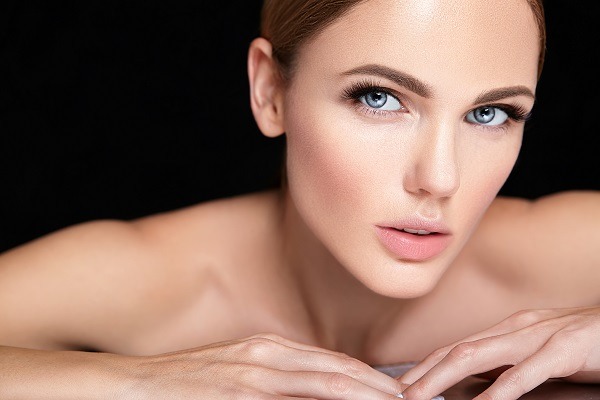
With the holidays finally over and resolutions in full swing, its time to take a look at accomplishing your 2019 goals. If “taking better care of my skin” or “practice self-care” are at the top of your list, one of the best ways to set yourself up for success is hit reset on your skin with microneedling. This minimally invasive cosmetic treatment packs a powerful punch, making it a popular option for countless patients looking to achieve beautiful, radiant looking skin.
What is Microneedling?
While microneedling may seem like a recent development in the world of cosmetic treatments, the first recorded treatment was performed over 100 years ago when a German dermatologist used the treatment concept to treat scars and hyperpigmentation. By the mid-1990s, microneedling evolved into its current form, becoming one of the leading treatments for tackling the effects of aging such as wrinkles and scarring. Since then, research and innovation have led to microneedling becoming regarded as one of the most effective anti-aging and facial rejuvenation procedures.
So why is microneedling so successful? Much of the treatment’s success comes from the way in which the procedure stimulates the body’s natural healing process. Most other facial rejuvenation procedures use chemicals or lasers to physically slough away damaged skin cells and reveal healthy new skin. Instead, microneedling uses ultra-fine needles to create tiny pinpricks (microtrauma) in the uppermost layers of the skin. In response to these minute puncture wounds, the body begins creating collagen and elastin to heal the area. This results in the skin becoming firmer, improving the appearance of scars and stretch marks as well as shrinking pore size. Given the way microneedling triggers collagen production, this facial rejuvenation procedure is sometimes also referred to as collagen induction therapy.
The Benefits of Microneedling
As microneedling leverages the body’s natural healing process to repair skin, the treatment offers patients several distinct advantages over alternative procedures:
Scar Tissue Reduction
Collagen induction therapy is effective in reducing the appearance of scars and fine lines because it reduces scar tissue. To heal cuts or lacerations, your body produces an excess of collagen, which randomly accumulates around the injury. This leads to unflattering bumps and visible scarring. Microneedling helps break down unnecessary scar tissue and allows the body to reheal old wounds in a more uniform fashion, smoothing out and disguising scars.
Increased Volume
Steady collagen production is what gives skin it’s youthful volume and glow. Sun damage and age can gradually outpace slowing production, leading to the development of fine lines and wrinkles. Instead of turning to injectables, microneedling gives patients the chance to restore their facial volume from the inside out and using their own cells.
What to Expect During a Microneedling Treatment
While the term “microneedling” may not be the most inviting, the treatment is among the least invasive facial rejuvenation options available to patients. During the procedure, our Beverly Hills plastic surgeon will apply a topical anesthetic to ensure a comfortable experience. A specialized pen is then used to create the tiny pinpricks evenly across the skin, ensuring total rejuvenation.
As microneedling is non-invasive, the entire treatment session is usually completed in about 30 minutes. After the procedure, we’ll apply a calming serum to help reduce swelling and soothe the skin. While there is minimal recovery associated with microneedling, patients may find themselves facing minor skin irritation and redness in the days following their procedure. This usually clears up a day or two following treatment.
Am I a Candidate?
Microneedling is considered the last non-surgical option for treating aging before surgical solutions are considered. As a result, the treatment works best on patients who haven’t responded to other solutions like chemical peels or laser rejuvenation. Treatment has been successfully used to treat acne scars or stretch marks, hyperpigmentation like sun spots or uneven skin tone, fine lines and wrinkles as well as large pores. For the best result, we recommend patients undergo several treatment sessions.
Start 2019 with Beverly Hills Plastic Surgery
From non-invasive dermal fillers to comprehensive plastic surgery, BHPS is your home for state-of-the-art cosmetic treatment in Beverly Hills. Our emphasis on holistic, personalized care allows patients to focus on their goals and achieve the look they’ve dreamed of. Call 310-746-5475 today to discover the difference microneedling can make for your skin and appearance. We look forward to seeing you!